March Weekend Project 2013
Campers & Visitors Guide
Project:
Understanding & Creating Loving Self-Supporting Eco- Systems. Continuing projects started at ‘Summerfest 2012’.
The ‘March Weekend Project 2013’ is a two day event to be held at Kyabra Station, Kentucky, NSW. The weekend is designed to give participants an opportunity to experience hands-on experimental techniques for farming, land re-generation, and home gardening, based around principles such as:
•Teaching about the land and how quickly we can change it to become more fertile, abundant and balanced.
•Empowering people to do it themselves in a new way
•Educating People who are passionate about the land/environment etc, globally
•How to put love back into eco-systems, and to support eco-systems as the most effective and loving way to regenerate nature
ORIENTATION MATERIAL
If you plan to attend on any of the days please read, watch or listen to the orientation presentations found in the following link:
(Kentucky SummerFest Orientation Material) http://www.divinetruth.com/HTML/whatsnew.htm
This information is designed to give you a good overview of the principles behind activities we will be undertaking during the days of the March Weekend Project. If you are pressed for time the audio files give an overview. If you are interested in a broader scope and examples of the main principles in action watch the youtube videos. If you do not have the chance to watch or listen to these materials prior to arrival at the weekend there will be a daily orientation session where you will be able to watch these. It is important that you watch or listen to this material before joining us in the field so that you have a good understanding of our ethos.
2.OTHER SUGGESTED WATCHING MATERIAL:
Greening the Desert: https://www.youtube.com/watch?v=sohI6vnWZmk
Chernobyl Life in the Dead Zone: https://www.youtube.com/watch?v=zVv1vsZxV00
3. Please RSVP via Email: eloisalh@gmail.com
Or by phone: Peter & Eloisa Lytton-Hitchins, Ph: 02 67787 458
4. OVERVIEW OF THE WEEKEND’S ACTIVITIES
There are various activities you can participate in on Saturday 2nd and Sunday 3rd of March 2013. You will be able to do a different activity on each day if you desire. Unfortunately we wont be able to change activities during the days due to geographical distance.
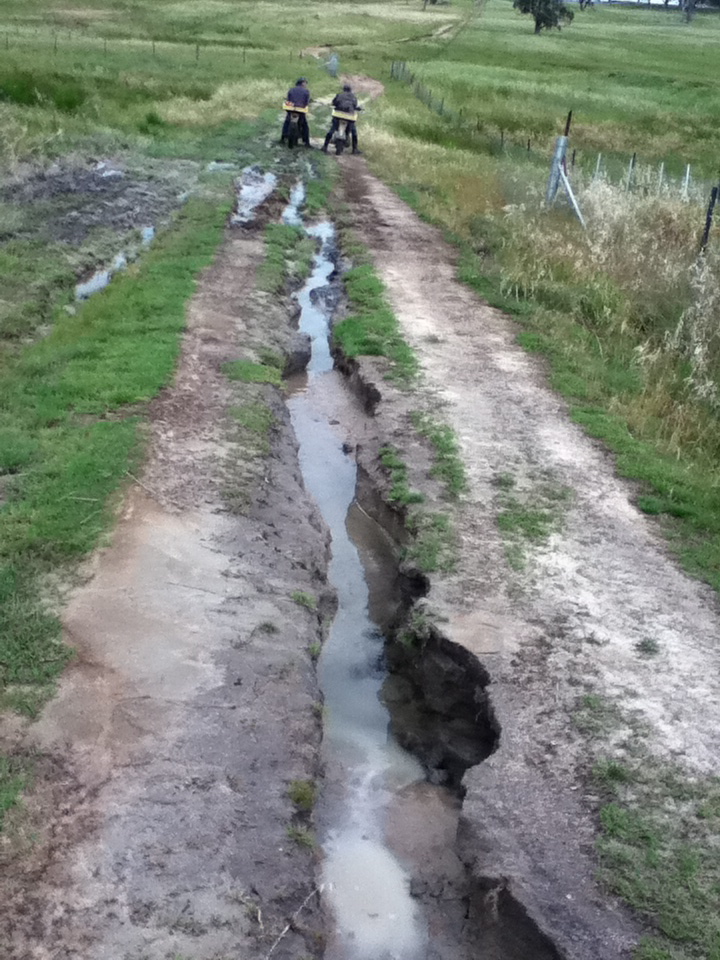
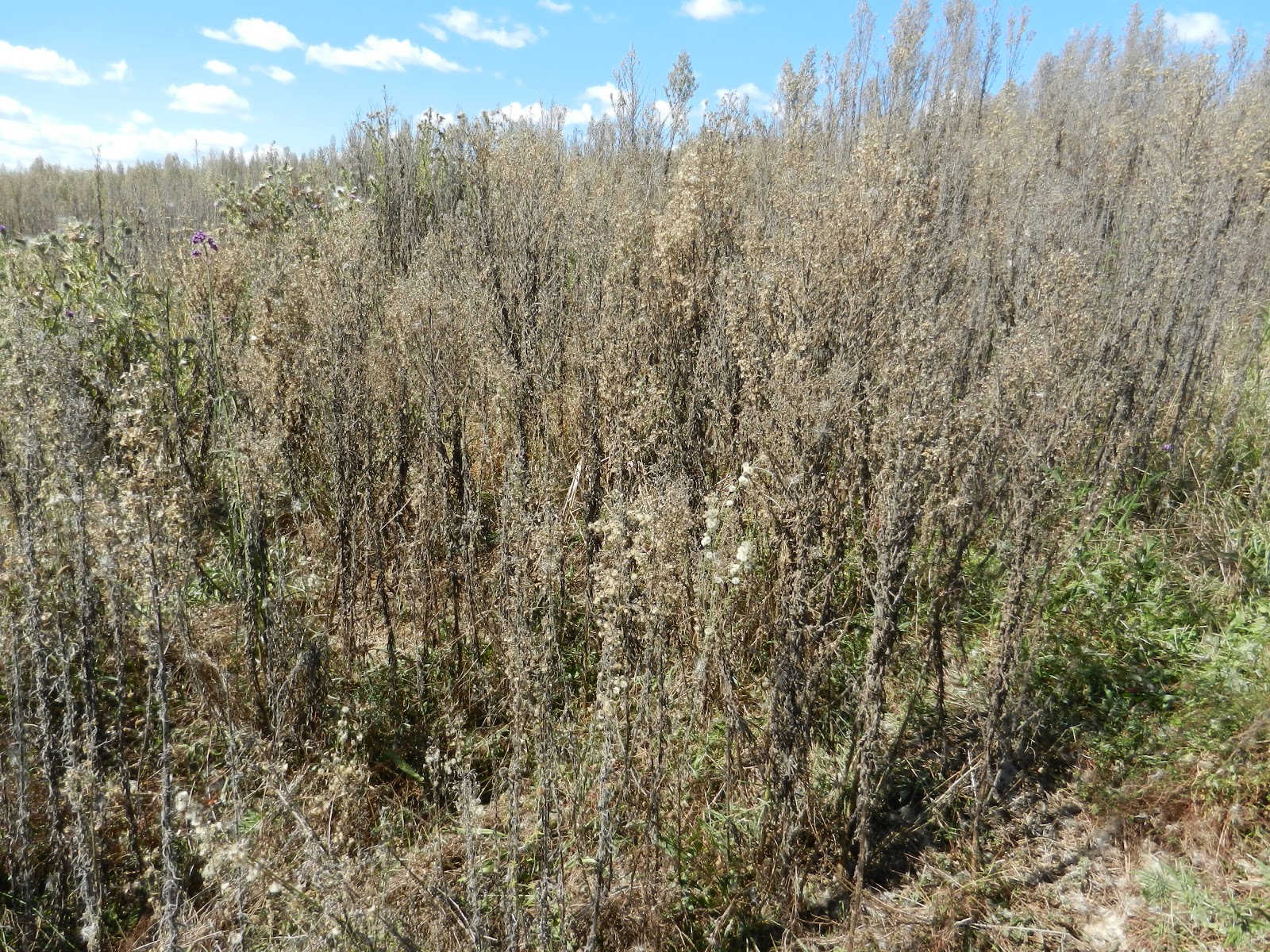
* Activity 1: Re-generation and restoration of swampy land
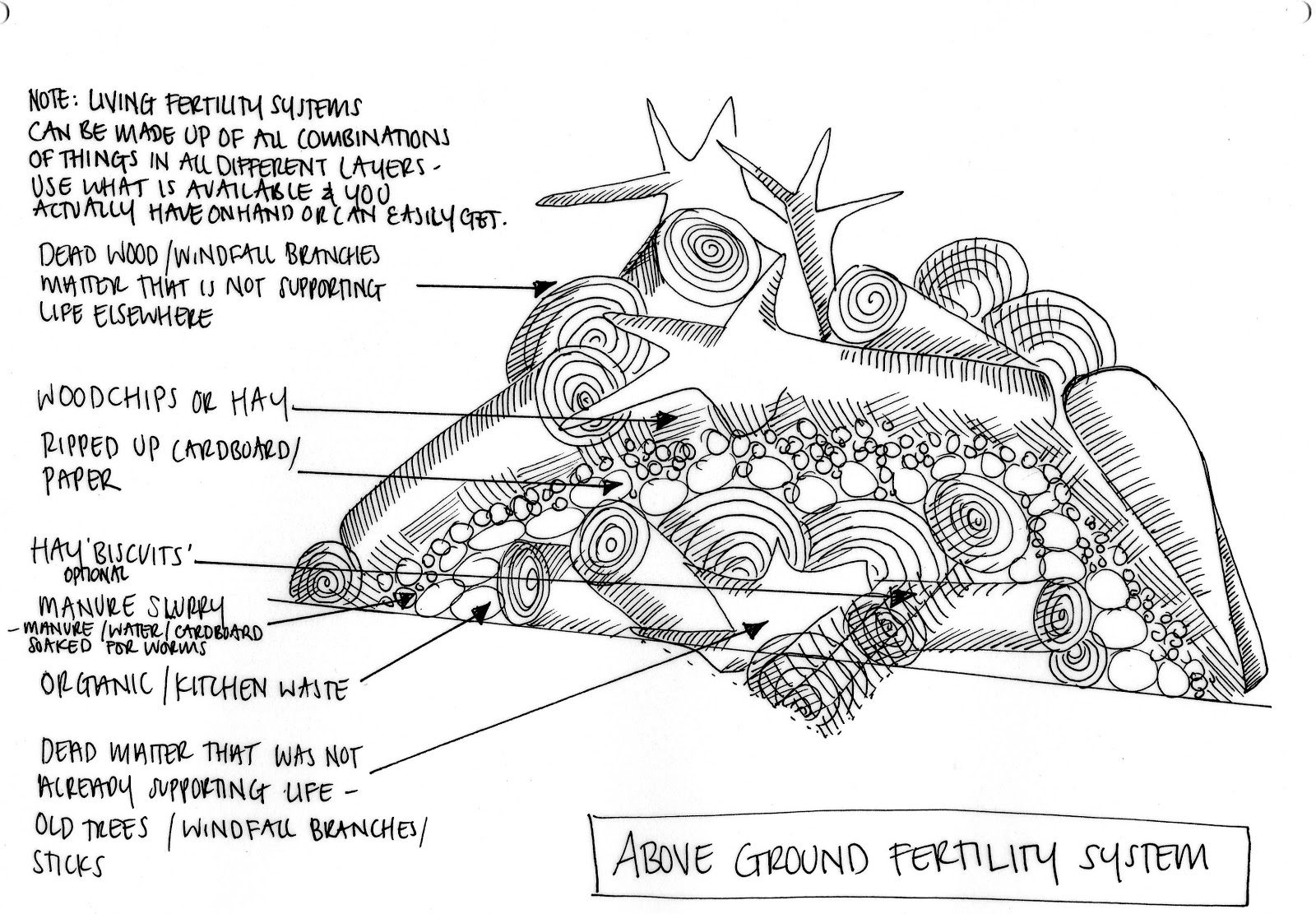
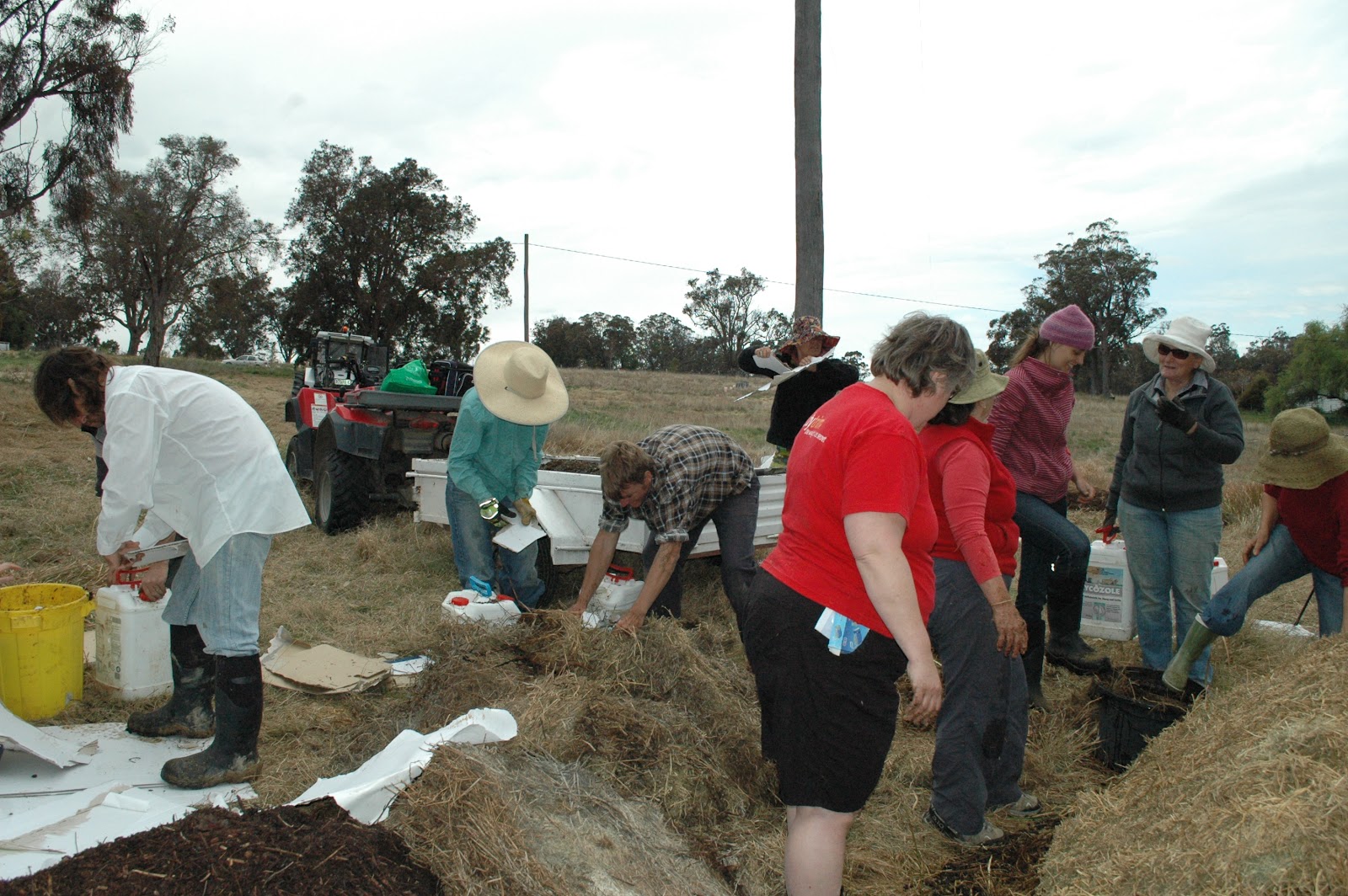
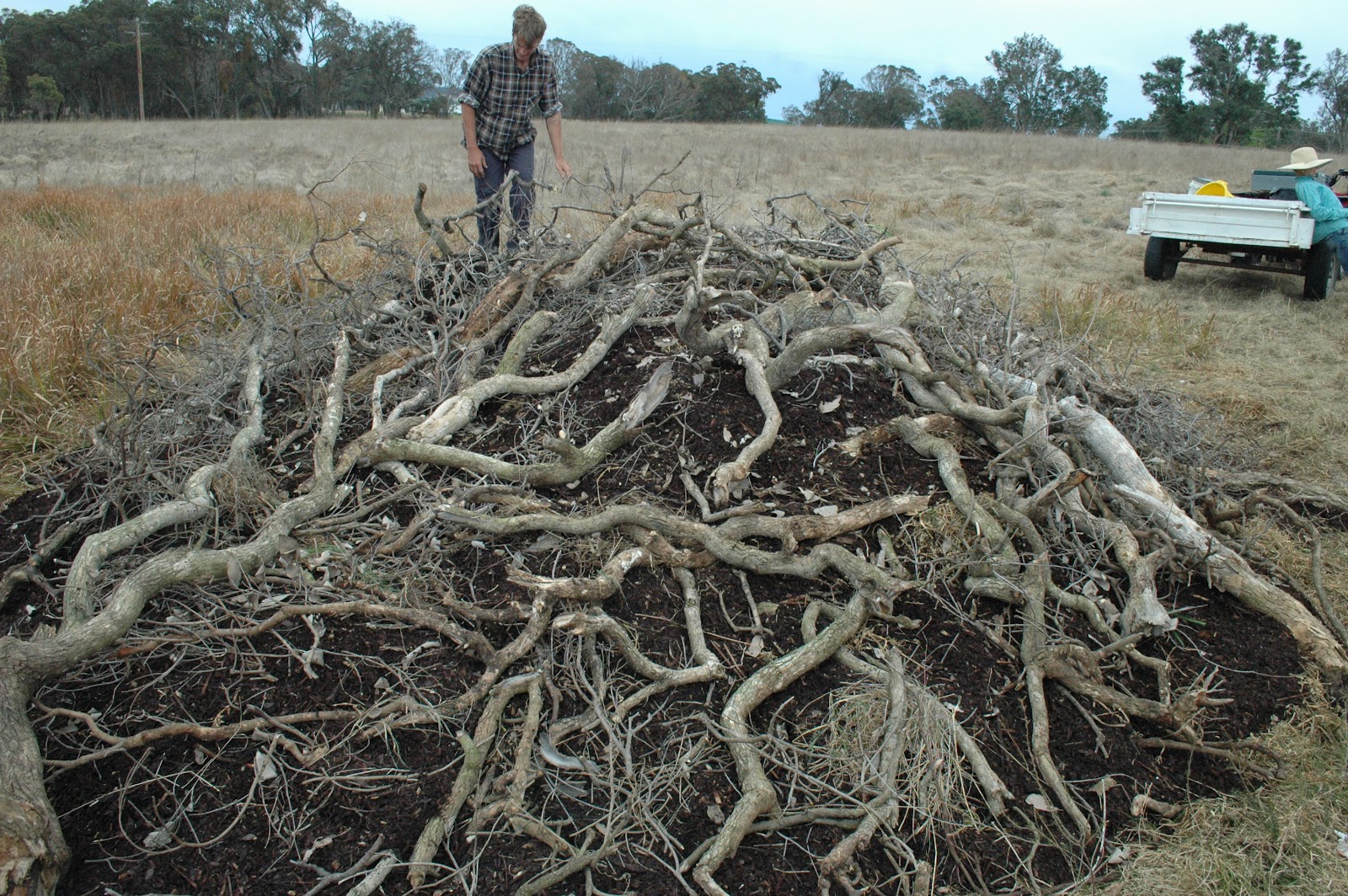
Activity includes using some alternate methods to reduce water logging down from the paddock worked on on day one. We will focus on improving water take up through building living systems above ground and planting shrubs and bushes to absorb water.

looking down towards Re-gen site
(near bottom trees)
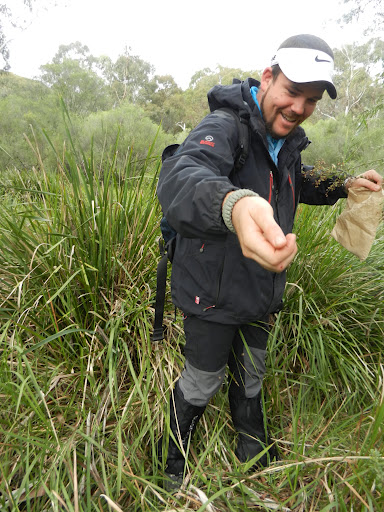
* Activity 2: Barbed wire Removal and Collecting ‘Food’ for Living Systems
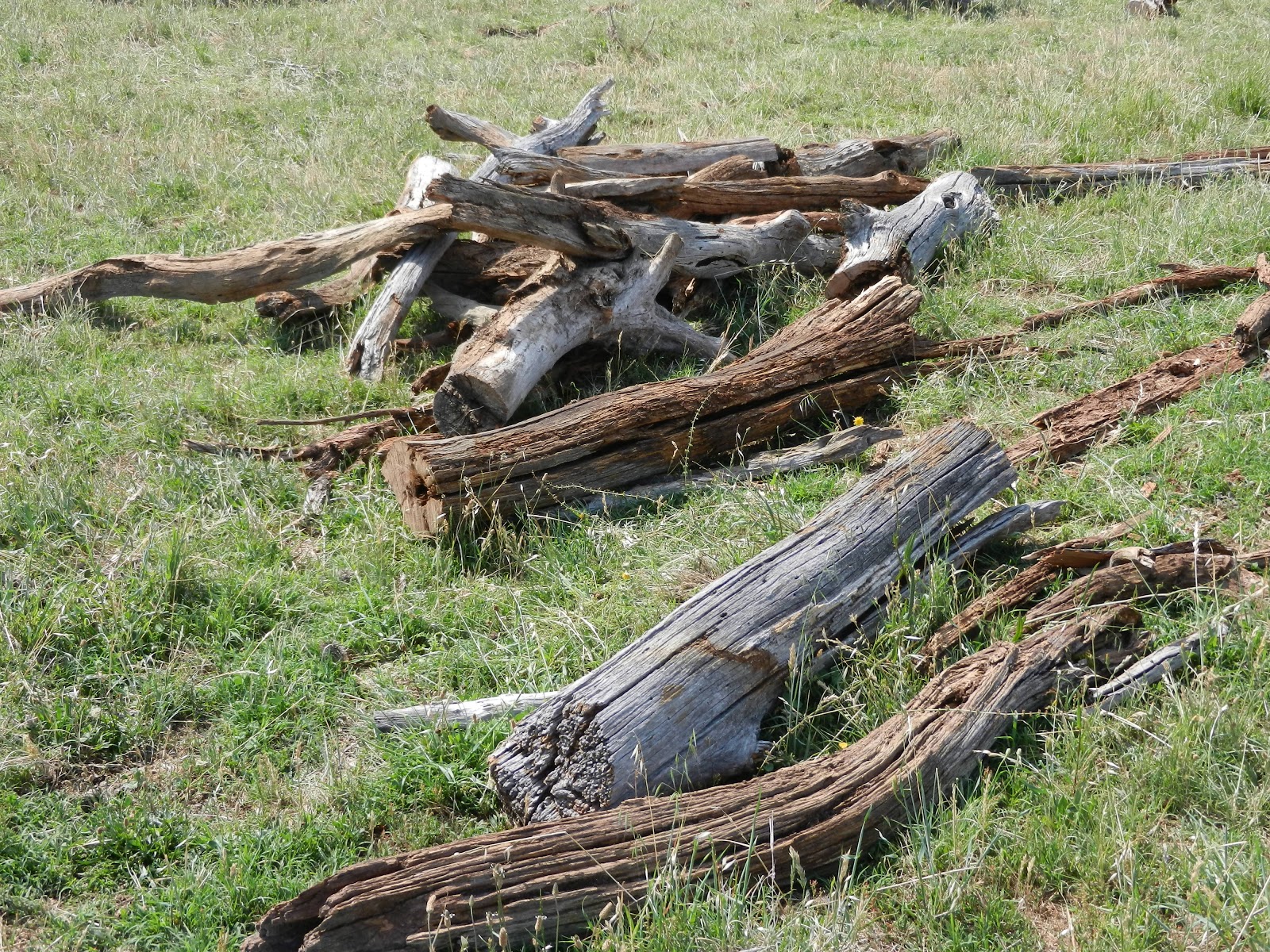
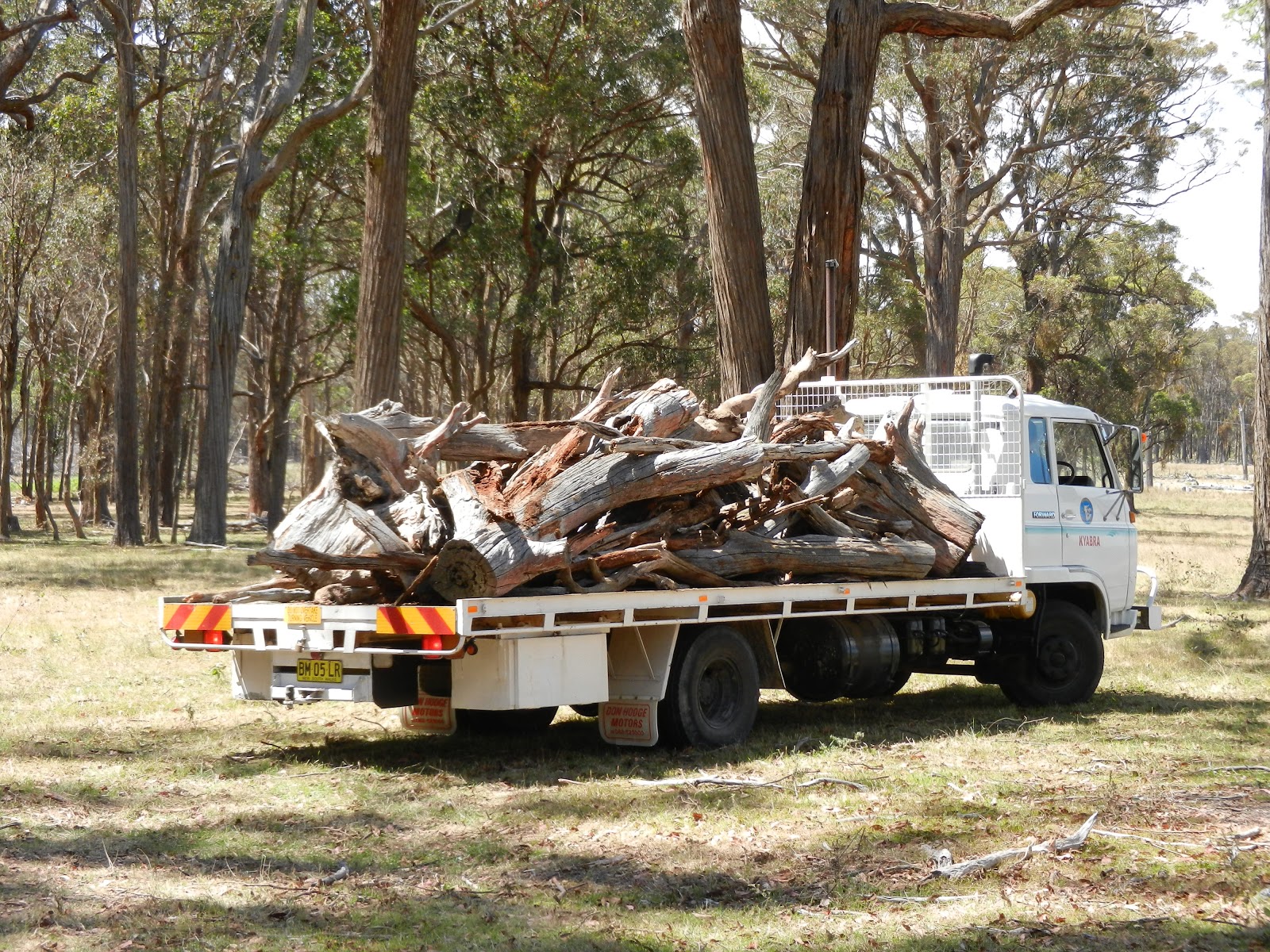
Activity includes removing the top wire of Barbed wire from fences to reduce risk of small and large animals and birds getting caught up in it. It will also include collecting fallen trees, branches and sticks for living systems to create fertility and improve soil.

gathering living system ‘food’
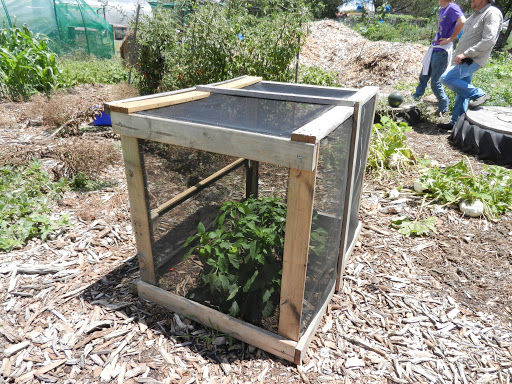
*Activity 3: Waterless Home Gardening – this will be a continuation of what was begun at ‘Summerfest’ last year. It will demonstrate several techniques including fibonachi system to maximise sun and water usage of any area, designing waterflow in your garden, techniques to minimize or completely remove the need for watering, mixed planting incorporating natives both flowering and mulching, fruit trees and vegetables. Working on this project will be finishing off the first section of the Waterless Garden.

Waterless Garden in progress
*Activity 4: Nature boxes – positioning boxes for animals and birds according to their particular needs, providing shelter close to food and water. Scouting for suitable locations and some tree climbing will be necessary.


Nesting Box in place
Detailed Information
Dates:
Saturday 2nd and Sunday 3rd of March (Come and leave anytime between the arrival and departure dates)
Venue:
Kyabra Pastoral Group, Kyabra Station New England Highway, Kentucky NSW 2354
17kms south of Uralla On the New England Highway between Armidale and Tamworth
Armidale shopping is a half hour away Uralla is 15mins away with a convenience store
House Rules:
These house rules are the request of the Lytton-Hitchins family. Please adhere to their rules since we are their guests:
- Parents are to be responsible for their children at all times
- Domestic animals are not welcome, please leave them home
- Please bring only VEGAN or vegetarian food
- No drugs, alcohol or cigarettes
The family also requests that you ask yourself the following questions before attending the event:
1.Am I going to this event to take from people? Or am I going to participate and to give?
2.Am I going to this event in the state of rage/anger? Or a state that is open and humble?
3.Is there anybody potentially at the location that I am upset with already? If your answer is ‘Yes’
resolve the emotional issue IN LOVE, BEFORE you come to the event.
4.If a person refuses consistently to address issues of love they will need to stay off the property until they have worked through those issues. When you have you will be welcome to return.
If you do not answer in the affirmative to the above questions please do not attend the event.
Overview:
A fun filled weekend of activities including; self-supporting eco-systems for soil based creatures and insects that rebuild the soil, seeding, tree planting, creating self-supporting home vegetable and fruit gardens, creating self-supporting home native gardens, creation and installation of habitats (for native reptiles, birds and animals), potential karaoke, singing, dancing, and sing-a-long.
We wish to give our time and energy to helping any person in attendance to understand and be able to create very small to very large scale systems that support rebuilding eco-systems and habitats that support all life, from bacteria through to fungi and all forms of flora, from worms and insects through to all forms of fauna, including humankind. While we are doing that primary activity, we have an opportunity to enjoy each other’s company and have a lot of fun.
General Information:
Most information presented will revolve around how to create loving eco- systems that support all forms of life, and how to replicate these systems from small scale (backyard) to large scale (farming) implementations. These sessions are available free-of-charge to any person who wishes to attend. Any person from the community is invited to attend.
Any person who wishes to only come for a single day, or to stay just for the weekend, is very welcome. There will be orientation sessions from 8am to 10am each day in the woolshed for new arrivals that have not watched or listened to the orientation sessions.
Other Information:
During the week, there may be sessions in the woolshed on some evenings that include discussions about God, the Human Soul and other spiritual matters. However these will not be of long duration and any person can elect to not be present during these sessions. There will also be Karaoke, singing and dancing as well as presentations during the evenings.
Weekend Schedule:
Friday 1st March, general arrival at Kentucky and setup camp from midday (12pm) onwards.
Saturday 2nd – Sunday 3rd March, various activities are to be completed over the weekend.
Briefing for day’s activity 8 am in the woolshed
Orientation session for new arrivals 8am daily in woolshed All volunteers meeting 8 am in front of woolshed Staggered work activities begin at 8.30am and finish at 2/2.30pm Showers and personal time from 3pm to 5pm.
5pm shared dinner Saturday evening.
Fun activities begin at 6pm and will finish by 9pm (Saturday night)
Sunday 3rd March – we will finish at 2/2.30pm and for those of you who need to leave you can dismantle camp, clean up and travel home if needed.
Weather:
all over the place. It is much cooler at the moment with sometimes warm or cold days, cool nights, and possible wet weather. It can become very cold, wet and windy as well as hot, dry and dusty! Check weather forecasts for the weekend! Most of all be prepared.
Jobs To Do:
Self-supporting gardens Self-supporting food production
Habitats for native fauna
Tree planting
Water tanker operations
First aid
Life support systems Self-supporting soil regeneration Self-supporting eco-systems
Habitats for native fauna
Planting supply and logistics
Cleaning
Getting supplies
Managing compost
Public performance
What To Bring:
Camping and sleeping gear
– Tents, sleeping bags, swags, blankets, pillows
– Large tarps if you have any
– Lanterns, torches, tables and chairs
Food preparation
– Utensils for chopping, cooking, eating, and washing up
– There are no fridges. Bring your own Esky
– There will be a freezer available to re-freeze freezer bricks outside the orange room (see site map). Please allow 24 hours for freezing and name your blocks clearly, or the name the bag you place them in.
All food and snacks for self and own family
– Lunch box for your daily snacks (suggest insulated) The ‘work day’ will be shorter (see the full schedule below) but on some days we will be working in a paddock far from the field so you will need to take lunch and snacks with you.
– 2 X 1L water bottles of water (suggest insulated) – There will be a share meal on Saturday night. Please bring a plate or pot of food to share on this occasion
Clothing and personal needs
– TOILET PAPER please hand in your contribution to the Supply Room
– Clothes for ALL weather conditions and maybe an umbrella
– Clothes for outdoor and gardening activities
– Hats, sun protection, gardening gloves, gumboots/workboots
– A dust mask if you need one
– Towels, bathroom and personal stuff
– Prepare for potentially cold nights, no heating in wool shed
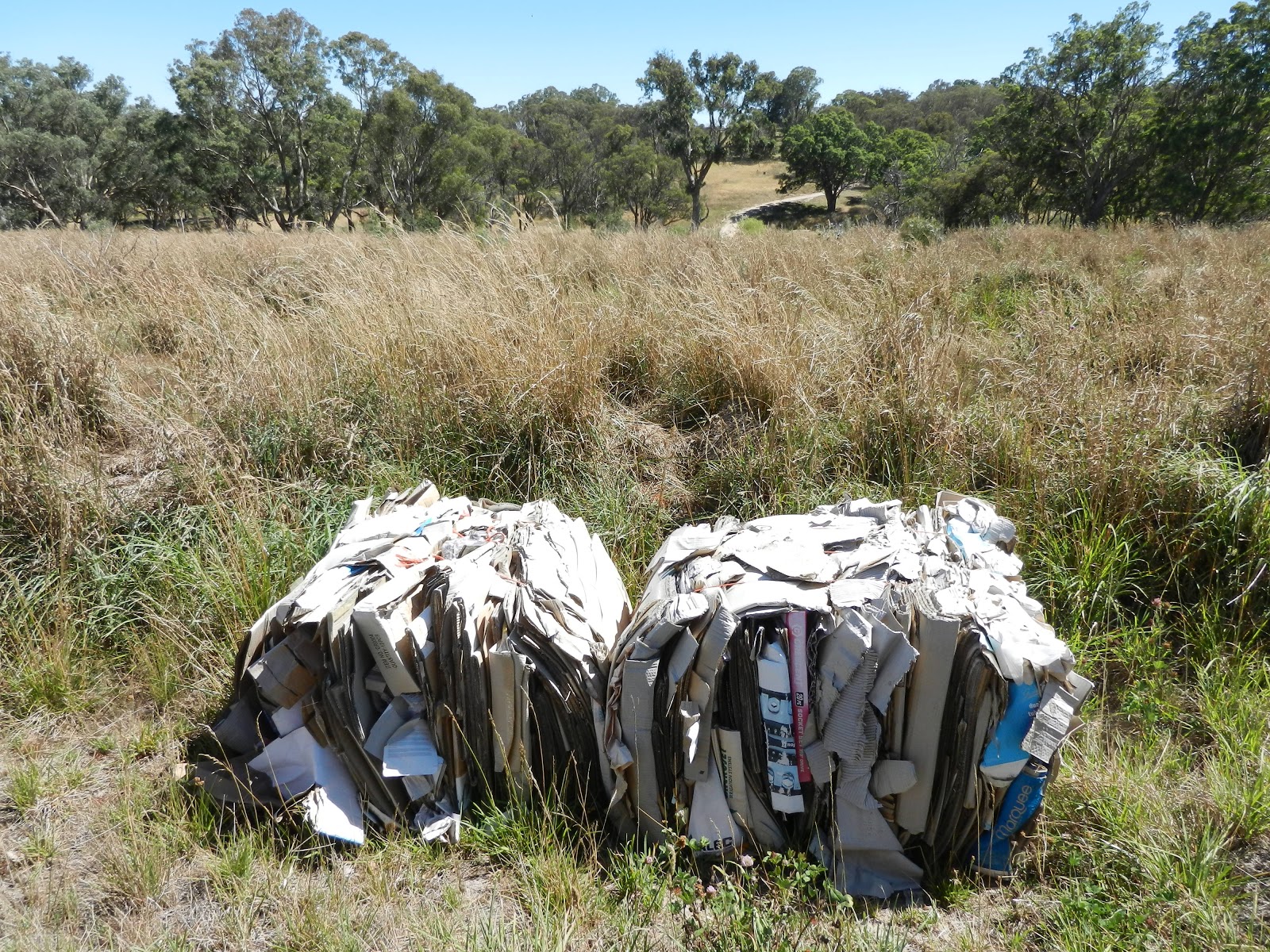
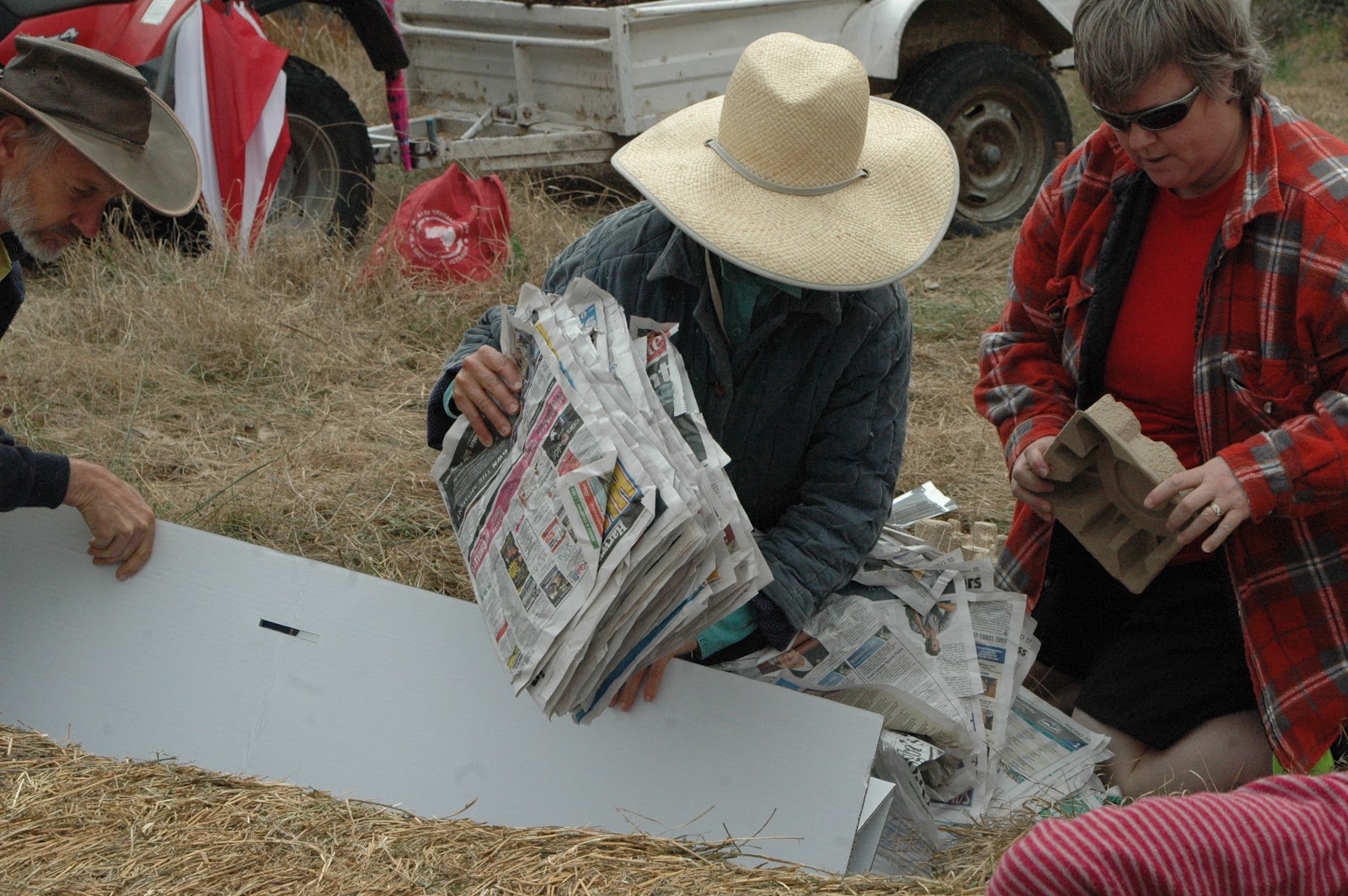
Newspaper, paper and cardboard –Bring as much of these things as possible
– We shall be able to use them to ‘recycle’ in the projects
Tools for gardening
– Shovels/spades (large and small)
– Picks, mattocks, hoe, etc
– Label all tools uniquely so they are not lost
Campground:
Parking And Camping
– Camping will be on a large grassed area below the woolshed
– Cars and tents will be parked together
– Please park your car so that NO CARS are blocked from getting out
Camp Facilities (see map following for more details)
– There are Toilets (4) and limited Shower facilities (6) onsite
– Please keep your showers short in consideration of others.
– A tank of local Drinking water will be provided at the campsite
– There is a FIREBAN at this time so no fires to be lit on site. Please do not leave any fire/campstove unattended.
– Hot water – a Hot water urn will be available from early morning on.
Waste
– Please be responsible for removing waste other than the material that can be placed in the recycling bins:
– Recycle bins will be provided for the following material
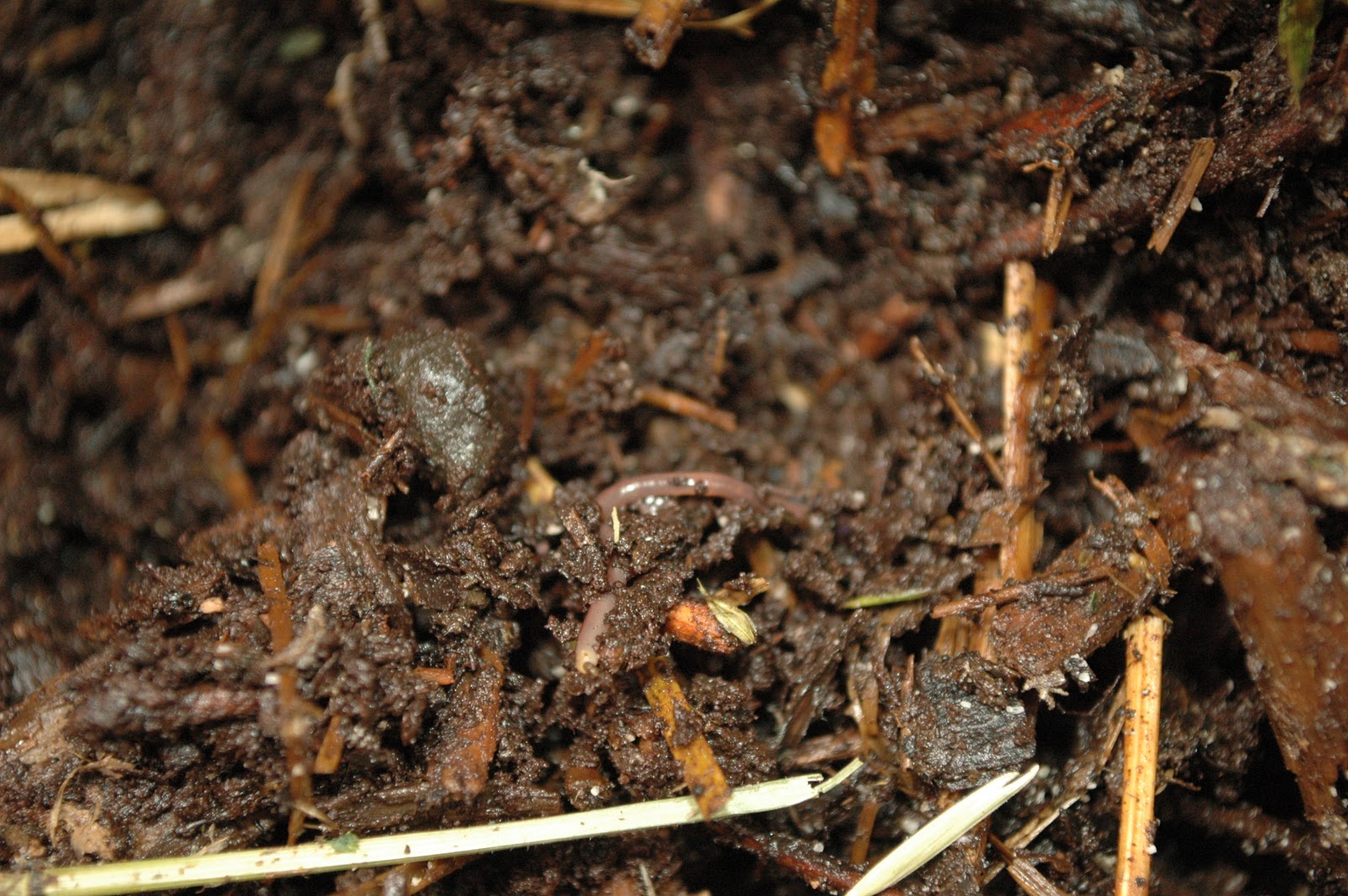
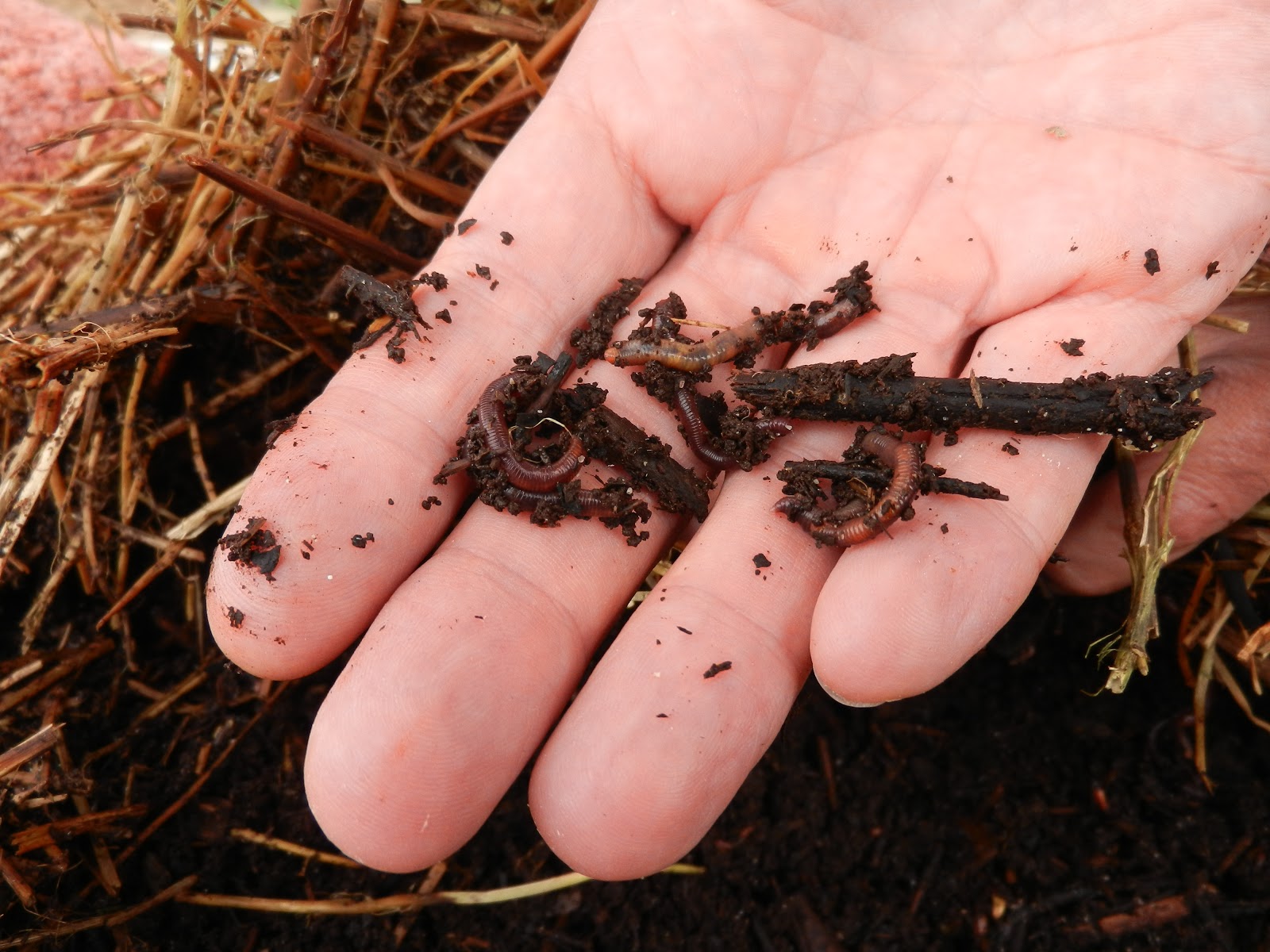
1. Worm Food – Fruit and vegie scraps excluding citrus, pineapple, onion and large seeds such as avocadoes and mangoes
2. Other Composting Material – citrus, pineapple, onion and large seeds as well as all steel cans – these will be added to the living systems
3. All Paper and Cardboard will be fed to the worms or used in the living systems.
No Power is available for personal use
– please respect this
Map of the camping area
– shows the locations of all facilities marked in BOLD
Noticeboard
The Notice board located outside the Orange room will advise of start times for morning and evening activities. Please check for updates.
Mudmap of Camp site:

mudmap of camp site































 DEAR GOD...