March Weekend Project 2013 {Campers & Visitors Guide}

March Weekend Project 2013
 
Campers & Visitors Guide
 
Project:
Understanding & Creating Loving Self-Supporting Eco- Systems. Continuing projects started at ‘Summerfest 2012’.
 
The ‘March Weekend Project 2013’ is a two day event to be held at Kyabra Station, Kentucky, NSW. The weekend is designed to give participants an opportunity to experience hands-on experimental techniques for farming, land re-generation, and home gardening, based around principles such as:
 
Teaching about the land and how quickly we can change it to become more fertile, abundant and balanced.
 
Empowering people to do it themselves in a new way 
 
Educating People who are passionate about the land/environment etc, globally 
 
How to put love back into eco-systems, and to support eco-systems as the most effective and loving way to regenerate nature
 
ORIENTATION MATERIAL
 
If you plan to attend on any of the days please read, watch or listen to the orientation presentations found in the following link:
(Kentucky SummerFest Orientation Material) http://www.divinetruth.com/HTML/whatsnew.htm
 
This information is designed to give you a good overview of the principles behind activities we will be undertaking during the days of the March Weekend Project. If you are pressed for time the audio files give an overview. If you are interested in a broader scope and examples of the main principles in action watch the youtube videos. If you do not have the chance to watch or listen to these materials prior to arrival at the weekend there will be a daily orientation session where you will be able to watch these. It is important that you watch or listen to this material before joining us in the field so that you have a good understanding of our ethos.
 
2.OTHER SUGGESTED WATCHING MATERIAL:
Chernobyl Life in the Dead Zone: https://www.youtube.com/watch?v=zVv1vsZxV00
 
3. Please RSVP via Email: eloisalh@gmail.com 
Or by phone: Peter & Eloisa Lytton-Hitchins, Ph: 02 67787 458
 
 
4. OVERVIEW OF THE WEEKEND’S ACTIVITIES 
 
There are various activities you can participate in on Saturday 2nd and Sunday 3rd of March 2013. You will be able to do a different activity on each day if you desire. Unfortunately we wont be able to change activities during the days due to geographical distance. 
 
 * Activity 1: Re-generation and restoration of swampy land
 
Activity includes using some alternate methods to reduce water logging down from the paddock worked on on day one. We will focus on improving water take up through building living systems above ground and planting shrubs and bushes to absorb water.
 
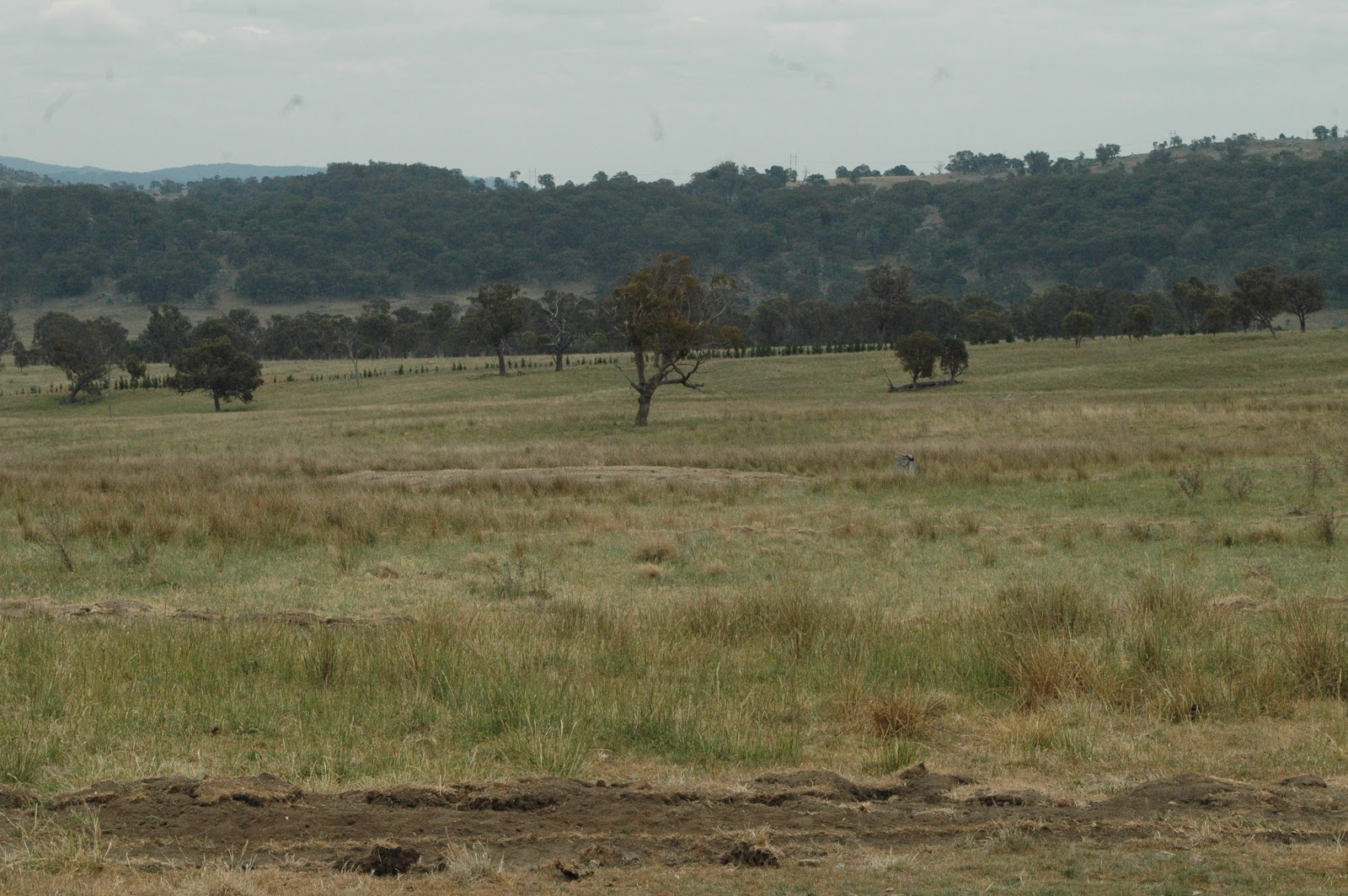
looking down towards Re-gen site
(near bottom trees)
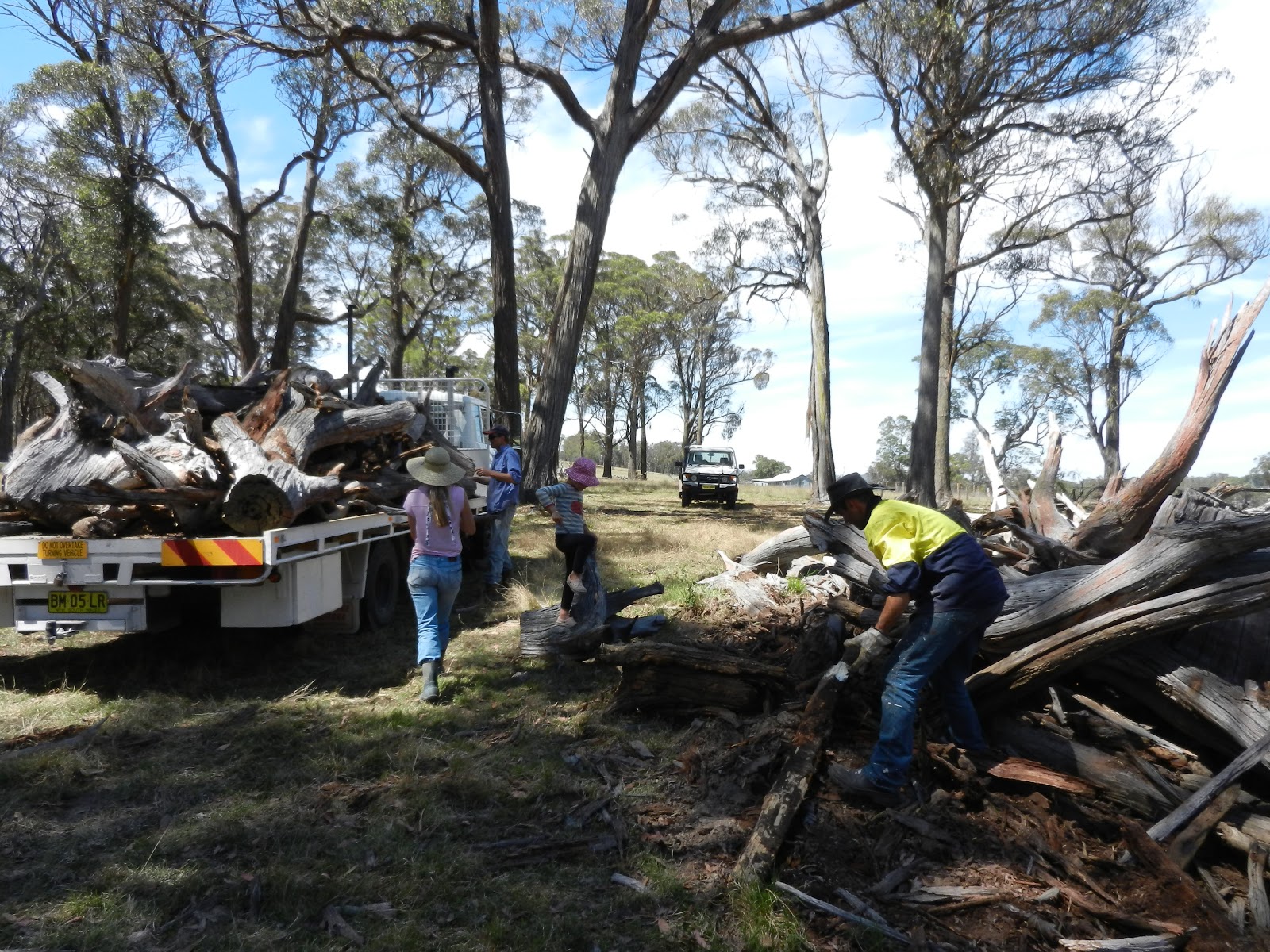
* Activity 2: Barbed wire Removal and Collecting ‘Food’ for Living Systems
 
Activity includes removing the top wire of Barbed wire from fences to reduce risk of small and large animals and birds getting caught up in it. It will also include collecting fallen trees, branches and sticks for living systems to create fertility and improve soil.
 
gathering living system ‘food’
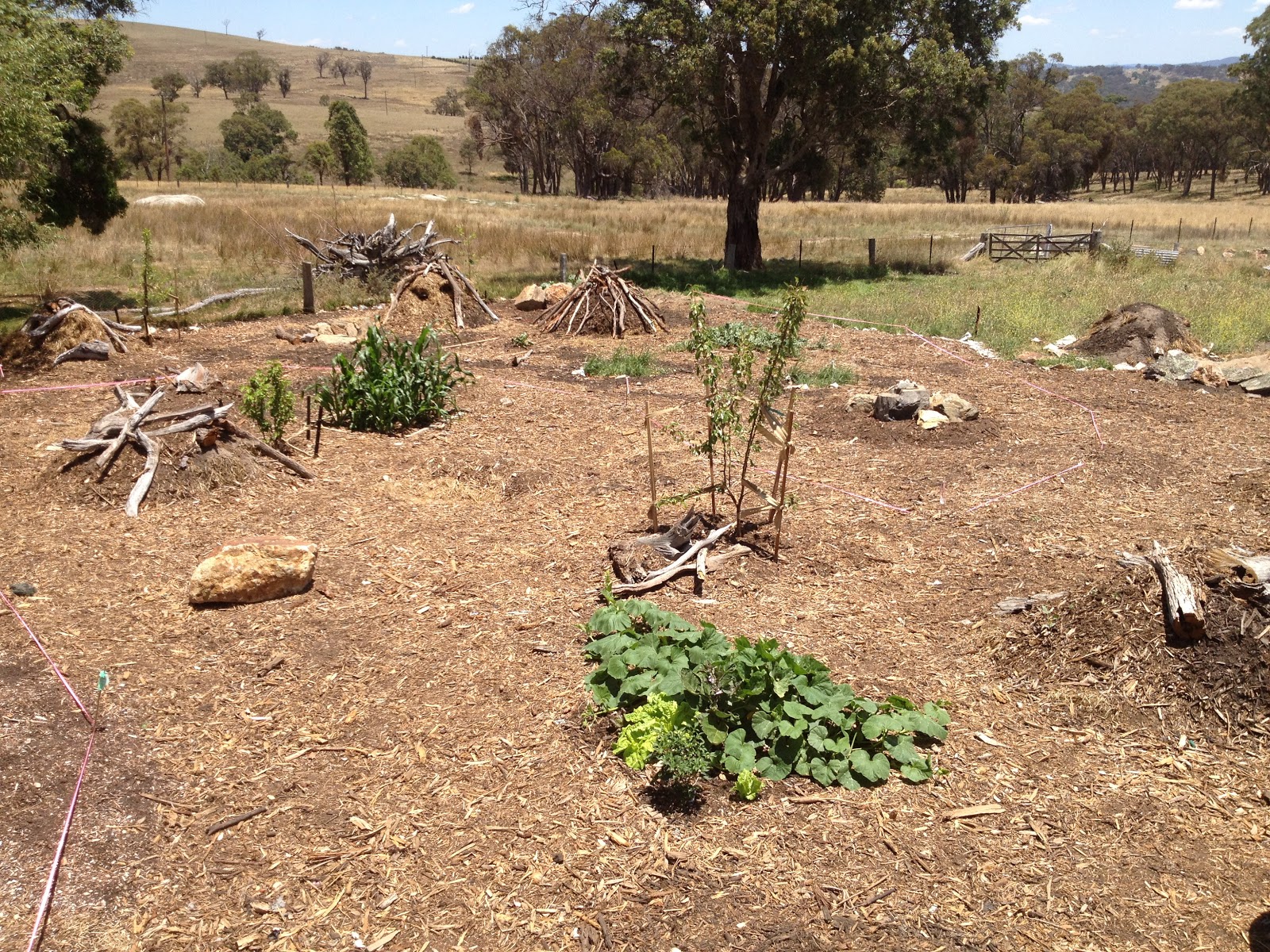
*Activity 3: Waterless Home Gardening – this will be a continuation of what was begun at ‘Summerfest’ last year. It will demonstrate several techniques including fibonachi system to maximise sun and water usage of any area, designing waterflow in your garden, techniques to minimize or completely remove the need for watering, mixed planting incorporating natives both flowering and mulching, fruit trees and vegetables. Working on this project will be finishing off the first section of the Waterless Garden.
 
Waterless Garden in progress
 
Detailed Information
Dates:
Saturday 2nd and Sunday 3rd of March (Come and leave anytime between the arrival and departure dates)
Venue:
Kyabra Pastoral Group, Kyabra Station New England Highway, Kentucky NSW 2354
17kms south of Uralla On the New England Highway between Armidale and Tamworth
Armidale shopping is a half hour away Uralla is 15mins away with a convenience store
 
House Rules:
These house rules are the request of the Lytton-Hitchins family. Please adhere to their rules since we are their guests:
  • Parents are to be responsible for their children at all times 
  • Domestic animals are not welcome, please leave them home 
  • Please bring only VEGAN or vegetarian food 
  • No drugs, alcohol or cigarettes
The family also requests that you ask yourself the following questions before attending the event:
 
1.Am I going to this event to take from people? Or am I going to participate and to give?
 
2.Am I going to this event in the state of rage/anger? Or a state that is open and humble?
 
3.Is there anybody potentially at the location that I am upset with already? If your answer is ‘Yes’ 
resolve the emotional issue IN LOVE, BEFORE you come to the event.
 
4.If a person refuses consistently to address issues of love they will need to stay off the property until they have worked through those issues. When you have you will be welcome to return.
 
If you do not answer in the affirmative to the above questions please do not attend the event.
 
Overview:
 
A fun filled weekend of activities including; self-supporting eco-systems for soil based creatures and insects that rebuild the soil, seeding, tree planting, creating self-supporting home vegetable and fruit gardens, creating self-supporting home native gardens, creation and installation of habitats (for native reptiles, birds and animals), potential karaoke, singing, dancing,  and sing-a-long.
 
We wish to give our time and energy to helping any person in attendance to understand and be able to create very small to very large scale systems that support rebuilding eco-systems and habitats that support all life, from bacteria through to fungi and all forms of flora, from worms and insects through to all forms of fauna, including humankind. While we are doing that primary activity, we have an opportunity to enjoy each other’s company and have a lot of fun.
 
General Information:

Most information presented will revolve around how to create loving eco- systems that support all forms of life, and how to replicate these systems from small scale (backyard) to large scale (farming) implementations. These sessions are available free-of-charge to any person who wishes to attend. Any person from the community is invited to attend.
 
Any person who wishes to only come for a single day, or to stay just for the weekend, is very welcome. There will be orientation sessions from 8am to 10am each day in the woolshed for new arrivals that have not watched or listened to the orientation sessions.
 
Other Information:
 
During the week, there may be sessions in the woolshed on some evenings that include discussions about God, the Human Soul and other spiritual matters. However these will not be of long duration and any person can elect to not be present during these sessions. There will also be Karaoke, singing and dancing as well as presentations during the evenings.
 
Weekend Schedule:
 
Friday 1st March, general arrival at Kentucky and setup camp from midday (12pm) onwards.
 
Saturday 2nd – Sunday 3rd March, various activities are to be completed over the weekend. 
 
Briefing for day’s activity 8 am in the woolshed
 
Orientation session for new arrivals 8am daily in woolshed All volunteers meeting 8 am in front of woolshed Staggered work activities begin at 8.30am and finish at 2/2.30pm Showers and personal time from 3pm to 5pm. 
 
5pm shared dinner Saturday evening.
 
Fun activities begin at 6pm and will finish by 9pm (Saturday night)
 
Sunday 3rd March – we will finish at 2/2.30pm and for those of you who need to leave you can dismantle camp, clean up and travel home if needed. There will be a short debrief at the end of the work day on Sunday.

Monday 4th March – Anyone left over, Pack up camp, finish cleaning up, head home.
 
Weather:
all over the place. It is much cooler at the moment with sometimes warm or cold days, cool nights, and possible wet weather. It can become very cold, wet and windy as well as hot, dry and dusty! Check weather forecasts for the weekend! Most of all be prepared.
 
Jobs To Do:
Self-supporting gardens Self-supporting food production 
Habitats for native fauna
Tree planting 
Water tanker operations 
First aid 
Life support systems Self-supporting soil regeneration Self-supporting eco-systems 
Habitats for native fauna
Planting supply and logistics 
Cleaning 
Getting supplies 
Managing compost
Public performance
 
What To Bring:
Camping and sleeping gear
– Tents, sleeping bags, swags, blankets, pillows 
– Large tarps if you have any 
– Lanterns, torches, tables and chairs
 
Food preparation
– Utensils for chopping, cooking, eating, and washing up 
– There are no fridges. Bring your own Esky 
– There will be a freezer available to re-freeze freezer bricks outside the orange room (see site map). Please allow 24 hours for freezing and name your blocks clearly, or the name the bag you place them in.
 
All food and snacks for self and own family
– Lunch box for your daily snacks (suggest insulated) The ‘work day’ will be shorter (see the full schedule below) but on some days we will be working in a paddock far from the field so you will need to take lunch and snacks with you.
– 2 X 1L water bottles of water (suggest insulated) – There will be a share meal on Saturday night. Please bring a plate or pot of food to share on this occasion
 
Clothing and personal needs
– TOILET PAPER please hand in your contribution to the Supply Room
– Clothes for ALL weather conditions and maybe an umbrella 
– Clothes for outdoor and gardening activities 
– Hats, sun protection, gardening gloves, gumboots/workboots
– A dust mask if you need one 
– Towels, bathroom and personal stuff 
– Prepare for potentially cold nights, no heating in wool shed 
 
Newspaper, paper and cardboard –Bring as much of these things as possible 
– We shall be able to use them to ‘recycle’ in the projects
 
Tools for gardening
– Shovels/spades (large and small) 
– Picks, mattocks, hoe, etc 
– Label all tools uniquely so they are not lost
 
Campground:
Parking And Camping
 
– Camping will be on a large grassed area below the woolshed 
– Cars and tents will be parked together 
– Please park your car so that NO CARS are blocked from getting out
 
Camp Facilities (see map following for more details)
– There are Toilets (4) and limited Shower facilities (6) onsite 
– Please keep your showers short in consideration of others.
 – A tank of local Drinking water will be provided at the campsite 
– There is a FIREBAN at this time so no fires to be lit on site. Please do not leave any fire/campstove unattended. 
– Hot water – a Hot water urn will be available from early morning on.
 
Waste
– Please be responsible for removing waste other than the material that can be placed in the recycling bins: 
– Recycle bins will be provided for the following material
1. Worm Food – Fruit and vegie scraps excluding citrus, pineapple, onion and large seeds such as avocadoes and mangoes 
 
2. Other Composting Material – citrus, pineapple, onion and large seeds as well as all steel cans – these will be added to the living systems
 
3. All Paper and Cardboard will be fed to the worms or used in the living systems.
 
No Power is available for personal use
– please respect this
 
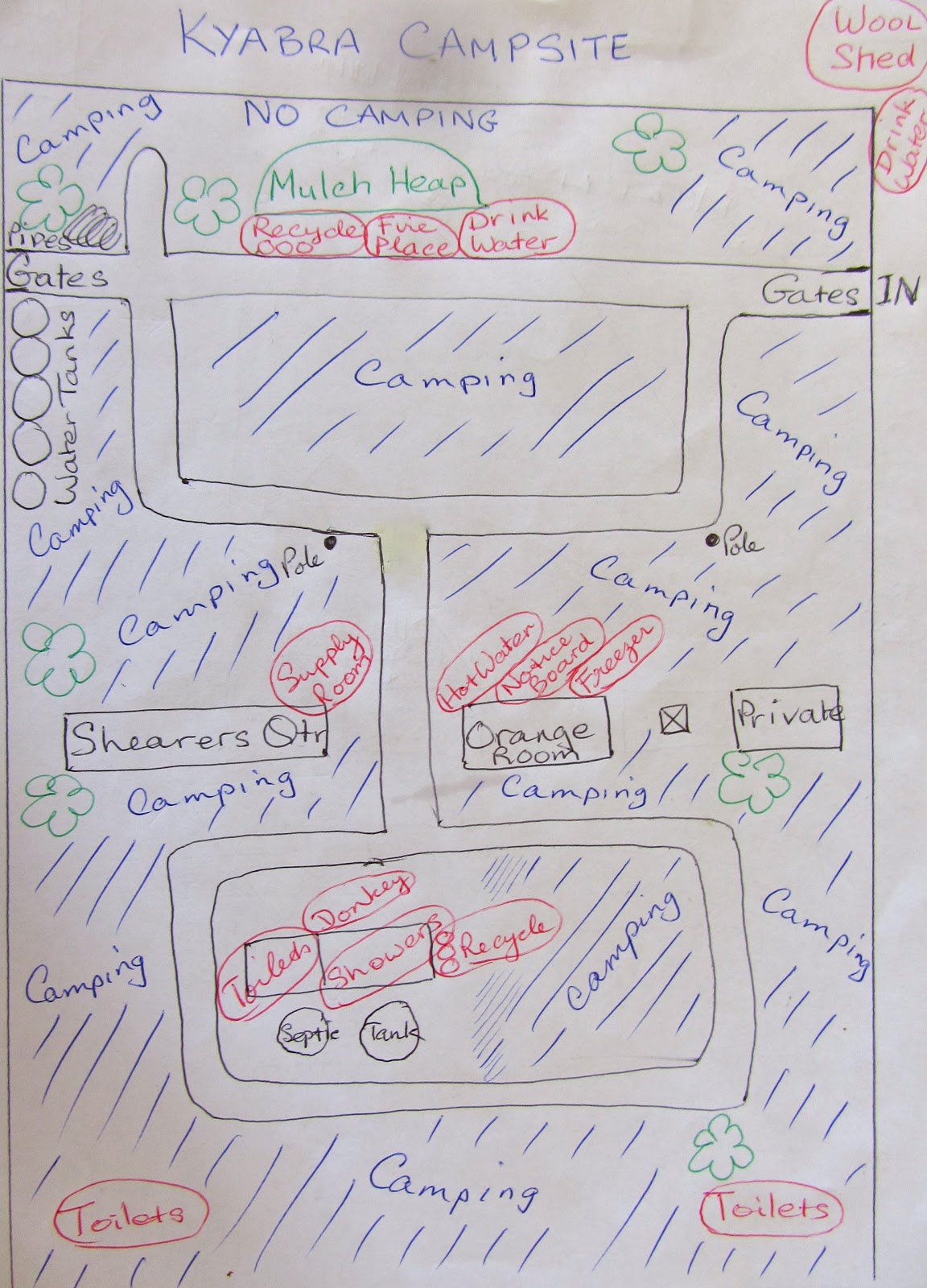
Map of the camping area
– shows the locations of all facilities marked in BOLD
 
Noticeboard
The Notice board located outside the Orange room will advise of start times for morning and evening activities. Please check for updates.
 
Mudmap of Camp site:


March Weekend Project 2013 {Campers & visitors Guide – Long Version}

March Weekend Project 2013
 
Campers & Visitors Guide
 
Project:
Understanding & Creating Loving Self-Supporting Eco- Systems. Continuing projects started at ‘Summerfest 2012’.
 
The ‘March Weekend Project 2013’ is a two day event to be held at Kyabra Station, Kentucky, NSW. The weekend is designed to give participants an opportunity to experience hands-on experimental techniques for farming, land re-generation, and home gardening, based around principles such as:
 
Teaching about the land and how quickly we can change it to become more fertile, abundant and balanced.
 
Empowering people to do it themselves in a new way 
 
Educating People who are passionate about the land/environment etc, globally 
 
How to put love back into eco-systems, and to support eco-systems as the most effective and loving way to regenerate nature
 
ORIENTATION MATERIAL
 
If you plan to attend on any of the days please read, watch or listen to the orientation presentations found in the following link:
(Kentucky SummerFest Orientation Material) http://www.divinetruth.com/HTML/whatsnew.htm
 
This information is designed to give you a good overview of the principles behind activities we will be undertaking during the days of the March Weekend Project. If you are pressed for time the audio files give an overview. If you are interested in a broader scope and examples of the main principles in action watch the youtube videos. If you do not have the chance to watch or listen to these materials prior to arrival at the weekend there will be a daily orientation session where you will be able to watch these. It is important that you watch or listen to this material before joining us in the field so that you have a good understanding of our ethos.
 
2.OTHER SUGGESTED WATCHING MATERIAL:
Chernobyl Life in the Dead Zone: https://www.youtube.com/watch?v=zVv1vsZxV00
 
3. Please RSVP via Email: eloisalh@gmail.com 
Or by phone: Peter & Eloisa Lytton-Hitchins, Ph: 02 67787 458
 
 
4. OVERVIEW OF THE WEEKEND’S ACTIVITIES 
 
There are various activities you can participate in on Saturday 2nd and Sunday 3rd of March 2013. You will be able to do a different activity on each day if you desire. Unfortunately we wont be able to change activities during the days due to geographical distance. 
 
 * Activity 1: Re-generation and restoration of swampy land
 
Activity includes using some alternate methods to reduce water logging down from the paddock worked on on day one. We will focus on improving water take up through building living systems above ground and planting shrubs and bushes to absorb water.
looking down towards Re-gen site (near bottom trees)

looking down towards Re-gen site
(near bottom trees)

 * Activity 2: Barbed wire Removal and Collecting ‘Food’ for Living Systems

 
Activity includes removing the top wire of Barbed wire from fences to reduce risk of small and large animals and birds getting caught up in it. It will also include collecting fallen trees, branches and sticks for living systems to create fertility and improve soil.
 
gathering living system 'food'

gathering living system ‘food’

*Activity 3: Waterless Home Gardening – this will be a continuation of what was begun at ‘Summerfest’ last year. It will demonstrate several techniques including fibonachi system to maximise sun and water usage of any area, designing waterflow in your garden, techniques to minimize or completely remove the need for watering, mixed planting incorporating natives both flowering and mulching, fruit trees and vegetables. Working on this project will be finishing off the first section of the Waterless Garden.
 
Waterless Garden in progress

Waterless Garden in progress

*Activity 4: Nature boxes – positioning boxes for animals and birds according to their particular needs, providing shelter close to food and water. Scouting for suitable locations and some tree climbing will be necessary. 
March Weekend Project 2013 {Campers & visitors Guide - Long Version}

Nesting Box in place

Nesting Box in place


Detailed Information
Dates:
Saturday 2nd and Sunday 3rd of March (Come and leave anytime between the arrival and departure dates)
Venue:
Kyabra Pastoral Group, Kyabra Station New England Highway, Kentucky NSW 2354
17kms south of Uralla On the New England Highway between Armidale and Tamworth
Armidale shopping is a half hour away Uralla is 15mins away with a convenience store
 
House Rules:
These house rules are the request of the Lytton-Hitchins family. Please adhere to their rules since we are their guests:
 
  • Parents are to be responsible for their children at all times 
  • Domestic animals are not welcome, please leave them home 
  • Please bring only VEGAN or vegetarian food 
  • No drugs, alcohol or cigarettes
The family also requests that you ask yourself the following questions before attending the event:
 
1.Am I going to this event to take from people? Or am I going to participate and to give?
 
2.Am I going to this event in the state of rage/anger? Or a state that is open and humble?
 
3.Is there anybody potentially at the location that I am upset with already? If your answer is ‘Yes’ 
resolve the emotional issue IN LOVE, BEFORE you come to the event.
 
4.If a person refuses consistently to address issues of love they will need to stay off the property until they have worked through those issues. When you have you will be welcome to return.
 
If you do not answer in the affirmative to the above questions please do not attend the event.
 
Overview:
 
A fun filled weekend of activities including; self-supporting eco-systems for soil based creatures and insects that rebuild the soil, seeding, tree planting, creating self-supporting home vegetable and fruit gardens, creating self-supporting home native gardens, creation and installation of habitats (for native reptiles, birds and animals), potential karaoke, singing, dancing,  and sing-a-long.
 
We wish to give our time and energy to helping any person in attendance to understand and be able to create very small to very large scale systems that support rebuilding eco-systems and habitats that support all life, from bacteria through to fungi and all forms of flora, from worms and insects through to all forms of fauna, including humankind. While we are doing that primary activity, we have an opportunity to enjoy each other’s company and have a lot of fun.
 
General Information:
 
Most information presented will revolve around how to create loving eco- systems that support all forms of life, and how to replicate these systems from small scale (backyard) to large scale (farming) implementations. These sessions are available free-of-charge to any person who wishes to attend. Any person from the community is invited to attend.
 
Any person who wishes to only come for a single day, or to stay just for the weekend, is very welcome. There will be orientation sessions from 8am to 10am each day in the woolshed for new arrivals that have not watched or listened to the orientation sessions.
 
Other Information:
 
During the week, there may be sessions in the woolshed on some evenings that include discussions about God, the Human Soul and other spiritual matters. However these will not be of long duration and any person can elect to not be present during these sessions. There will also be Karaoke, singing and dancing as well as presentations during the evenings.
 
Weekend Schedule:
 
Friday 1st March, general arrival at Kentucky and setup camp from midday (12pm) onwards.
 
Saturday 2nd – Sunday 3rd March, various activities are to be completed over the weekend. 
 
Briefing for day’s activity 8 am in the woolshed
 
Orientation session for new arrivals 8am daily in woolshed All volunteers meeting 8 am in front of woolshed Staggered work activities begin at 8.30am and finish at 2/2.30pm Showers and personal time from 3pm to 5pm. 
 
5pm shared dinner Saturday evening.
 
Fun activities begin at 6pm and will finish by 9pm (Saturday night)
 
Sunday 3rd March – we will finish at 2/2.30pm and for those of you who need to leave you can dismantle camp, clean up and travel home if needed.
 
Weather:
all over the place. It is much cooler at the moment with sometimes warm or cold days, cool nights, and possible wet weather. It can become very cold, wet and windy as well as hot, dry and dusty! Check weather forecasts for the weekend! Most of all be prepared.
 
Jobs To Do:
Self-supporting gardens Self-supporting food production 
Habitats for native fauna
Tree planting 
Water tanker operations 
First aid 
Life support systems Self-supporting soil regeneration Self-supporting eco-systems 
Habitats for native fauna
Planting supply and logistics 
Cleaning 
Getting supplies 
Managing compost
Public performance
 
What To Bring:
Camping and sleeping gear
– Tents, sleeping bags, swags, blankets, pillows 
– Large tarps if you have any 
– Lanterns, torches, tables and chairs
 
Food preparation
– Utensils for chopping, cooking, eating, and washing up 
– There are no fridges. Bring your own Esky 
– There will be a freezer available to re-freeze freezer bricks outside the orange room (see site map). Please allow 24 hours for freezing and name your blocks clearly, or the name the bag you place them in.
 
All food and snacks for self and own family
– Lunch box for your daily snacks (suggest insulated) The ‘work day’ will be shorter (see the full schedule below) but on some days we will be working in a paddock far from the field so you will need to take lunch and snacks with you.
– 2 X 1L water bottles of water (suggest insulated) – There will be a share meal on Saturday night. Please bring a plate or pot of food to share on this occasion
 
Clothing and personal needs
– TOILET PAPER please hand in your contribution to the Supply Room
– Clothes for ALL weather conditions and maybe an umbrella 
– Clothes for outdoor and gardening activities 
– Hats, sun protection, gardening gloves, gumboots/workboots
– A dust mask if you need one 
– Towels, bathroom and personal stuff 
– Prepare for potentially cold nights, no heating in wool shed 
 
Newspaper, paper and cardboard –Bring as much of these things as possible 
– We shall be able to use them to ‘recycle’ in the projects
 
Tools for gardening
– Shovels/spades (large and small) 
– Picks, mattocks, hoe, etc 
– Label all tools uniquely so they are not lost
 
Campground:
Parking And Camping
 
– Camping will be on a large grassed area below the woolshed 
– Cars and tents will be parked together 
– Please park your car so that NO CARS are blocked from getting out
 
Camp Facilities (see map following for more details)
– There are Toilets (4) and limited Shower facilities (6) onsite 
– Please keep your showers short in consideration of others.
 – A tank of local Drinking water will be provided at the campsite 
– There is a FIREBAN at this time so no fires to be lit on site. Please do not leave any fire/campstove unattended. 
– Hot water – a Hot water urn will be available from early morning on.
 
Waste
– Please be responsible for removing waste other than the material that can be placed in the recycling bins: 
– Recycle bins will be provided for the following material
1. Worm Food – Fruit and vegie scraps excluding citrus, pineapple, onion and large seeds such as avocadoes and mangoes 
 
2. Other Composting Material – citrus, pineapple, onion and large seeds as well as all steel cans – these will be added to the living systems
 
3. All Paper and Cardboard will be fed to the worms or used in the living systems.
 
No Power is available for personal use
– please respect this
 
Map of the camping area
– shows the locations of all facilities marked in BOLD
 
Noticeboard
The Notice board located outside the Orange room will advise of start times for morning and evening activities. Please check for updates.
 
Mudmap of Camp site:
 
mudmap of camp site

mudmap of camp site


Aviary Update

There have recently been new arrivals in the Aviary including some little fluffy additions also. They are most gorgeous, and facinating. They are so small and trusting and just hang out in the bottom of the aviary seeming to sleep until food is brought to them or they want to feed. We are enjoying observing and learning about these little guys.
The folk at the Aviary now include:
Blue Faced Parrot Finches
Diamond Firetail Finches
Masked Finches
Painted Firetail Finches
Red Star Finches
Yellow Billed Longtail Finches
Yellow Star Finches
Zebra Finches
Some images of the aviary are below.
Painted Firetail & Yellow Billed Longtail

Yellow Billed Long Tails
Yellow Billed Longtail Finch baby (we think) hanging out so still and unmoving (sleeping?). Notice it has it’s eye closed.
Zebra Finch
Zebra Finch Fledgling (Baby Fluffball)
Diamond Firetail Pair
Red Star Finch
Yellow Star Finch
Painted Firetail

Waterless Garden Project Update {Guest Post}

This is a ‘guest blog post’ written by Philippa and Lincon about the findings to date in the ‘Waterless Garden Project’ that they are leading at the Kyabra Learning Centre, Kentucky. There will be a day in the Waterless Garden on Saturday 16th February 2013, for anyone who would like to volunteer their time and give to the land. We feel it is exciting discovering what has been happening and observing the experiments Lincon and Philippa have undertaken so far. Hope you enjoy their discoveries…

 
The Food Forest Waterless Garden Experiment
 
By Philippa & Lincon
The Garden
Findings so far:
 
Of all the Waterless systems that we have created, we have found to date that the plastic lined system held more moisture than the others, due to the water storage capacity.
 
Given the unseasonal conditions we experienced, being very hot & dry, we have been impressed & amazed at the growth & effectiveness of all these systems.
 
Once planted, for the first four weeks we had no rain & 3 of those weeks were 30 degrees plus heat, enough to wilt the sturdiest of vegetables!
 
However, all the systems were still moist & growing well, but needed to be topped up with water given this lack of rain & heat. We both feel had we had the usual summer rainfall this perhaps would not have been necessary.
 
Over the first 9 weeks of the gardens life to date we have watered only twice. 
 
There has been some fixing up required where the kikuyu has come through the gaps where there was either not enough newspaper, the newspaper was not overlapped or the kikuyu in its bid for survival & desire to grow has travelled along under the newspaper & found a thinner spot of mulch to come through!
 
The harvest so far has included ‘whale’ size Zucchini of various colours, watermelons, sweet lettuces & cucumbers. 
The chillies are on the way, as are the eggplants!
 
 
There already appears to be creatures moving into the garden, we have seen lots of lizards, frogs & many six & eight legged wonders!
 
We have also noticed that it seems as though a creature of some sort has made a home in one of the mounds, but to date we have yet to sight it! We will keep you posted….
 
What’s Next:
 
We have two systems left to finish of the approximate 50 that we started with! Amazing, Thank You everyone for the gift of your time.
 
By the middle of this month we will have completed the top half & spread a mountain more mulch to finish the task!
 
Now that the ground has had time to fallow, we will be planting out with the native legumes & other native plants to create the beginnings of the forest canopy & under storey!
 
We have planted some legume seeds (soy & cow pea) to get the  nitrogen fixing plants underway.
 
We will be holding working bees to complete these jobs over the next few weeks.
 
We look forward to seeing how the experiments go, watching things grow & letting you all know about it.
 
Our plans for the lower half of the garden are next, we already have some ideas & will begin to plot them on paper.
 
Having spent more money on the top half than we originally anticipated, funds will be required before we can commence the second stage of the project.
 
Should you have a desire to donate to The Waterless Garden Project, the details are below:
 
Donations for the Waterless Garden Project:
 
Account Name: Lincon Treloar
Account:  9897348
BSB:  638 – 080


Inspiring People: Darren & Jasmine

Darren & Jasmin at The Little Ladybird Nursery 

We would like to introduce you to Darren and Jasmine.

We spent a day in their garden today and we felt so excited on our way home we wanted to share some of the wonders we discovered and tell you a little about our beautiful friends and what they are creating in a little country town in NSW.

We love spending time with these guys. Their passion for plants and seed collecting is infectious and it is so beautiful to see their garden changing as they do! They grow a lot of heirloom varieties and natives. 
 

Darren and Jasmine have dreams, passions and desires and they are living them and acting on them with all sorts of awesome results. They are creative and have so many different talents and we find out more wonderful gifts each time we see them. We really enjoy talking to them about their ideas and feelings for the garden and getting to know them more each time we see them.

 
part of the Garden, seed collecting paradise
The plants in their care are beautiful, they flourish and grow and the ones that don’t they are looking to themselves about why they are not doing so well and it is always interesting to hear what is going on and how it is reflected in the environment around them. We feel the land is beginning to feel loved and cared for.
 
 
The garden is so different to a year ago. Now it looks like a seed collecting paradise with beautiful plants and their fruits everywhere. During the dry periods we have had lately, the gardens have retained moisture due to the gardening techniques that Darren and Jasmine have employed.
 
Darren and Jasmine began selling the plants they had grown on the side of the road by donation. Their love of plants and seed collecting and their desire to share it is beautiful! There is now a nursery run my Darren’s mum and her partner (Julie and Nevel)*
 
Each time we go to visit their place there is a new invention often made out of the materials they have on hand or have found or been given. There are piles of woodchip maturing everywhere and all sorts of wonderful experiements. It always feels to us that they can grow anything, their love of seeds and plants is infectious!
 
An box to keep seeds from cross pollination.
There are nesting birds residing in the trees, insects of all descriptions, various methods including waterless gardening, back to Eden ideas (woodchip), permaculture principles, fibonacci principles and traditional gardening techniques as well as their own ideas and inspirations. They now have their own seeds – sown, grown and collected on their plot for sale in the nursery. They investigate, explore and experiment. 
 
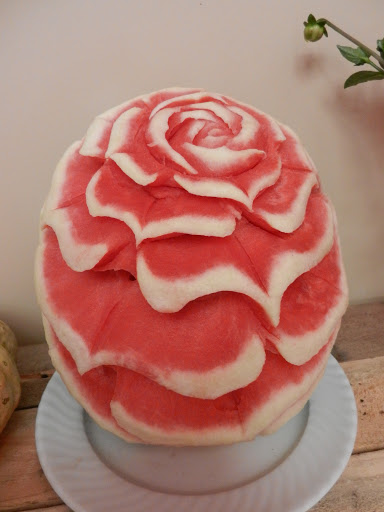
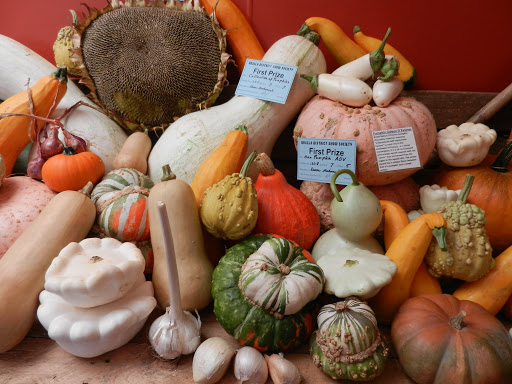
Darren was recently asked to have an exhibition at the Uralla Show where he created a tomato tasting event, a rose out of a watermelon, and won all sorts of prizes for the beautiful produce he and Jasmine grow. They had an heirloom rock melon that was heavenly, it smelt amazing, unlike any supermarket fruit I have ever smelt. The wonder of God’s flora is amazing, so many colours, shapes, variations, oddities, so much beauty and always wonder at how perfect each plant, insect, creation God has made is!!
 
 
Some Produce that was taken to the Uralla Show
 
 
Thank you Darren and Jasmine for your time and passion!  
 
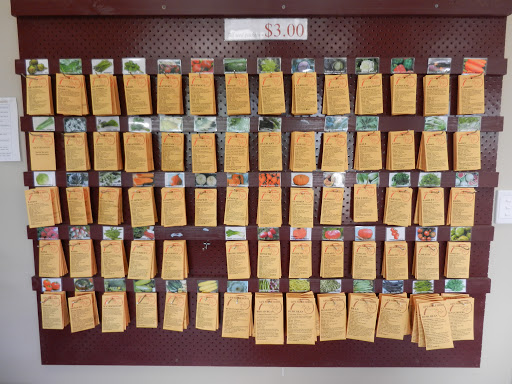
If you want to contact Darren about seeds, native plants, etc his details are as follows or drop in to ‘The Little Ladybird Nursery’ 162 Bridge Street, Uralla, NSW (soon you will be able to buy his seeds online):
 
Darren’s Seed collected off the property for sale in the nursery
 
 
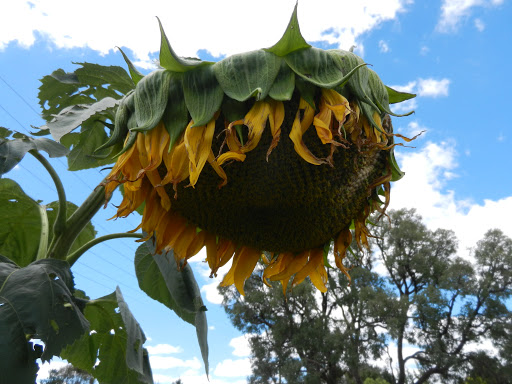
A giant sunflower that towers over the front fence
 
Darren doing what he loves: seed collecting
Pete and Darren talking about various native seedlings
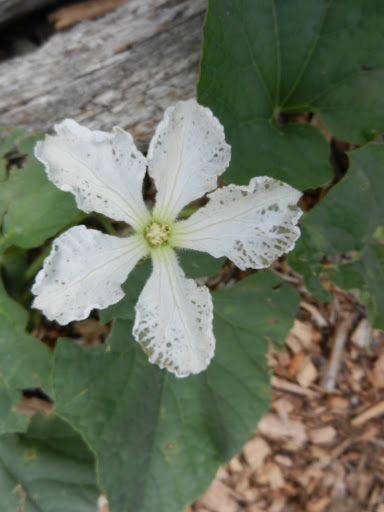
hail damaged gourd flower

gourds
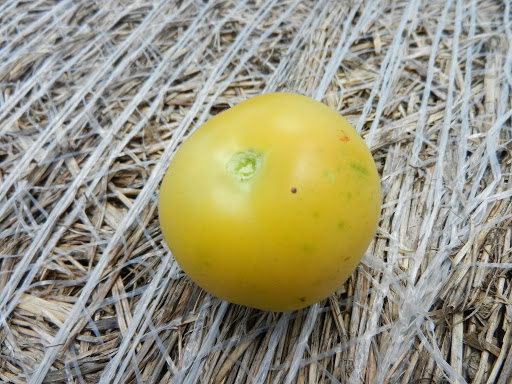
a super tasty tomato 
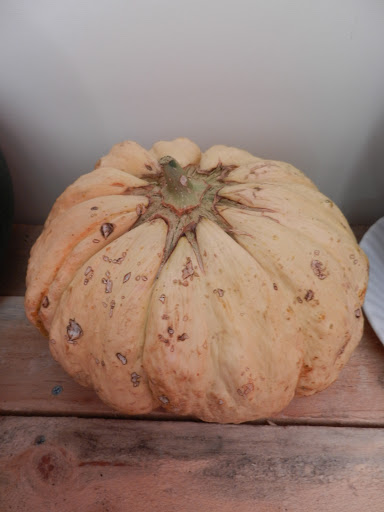
this awesome pumpkin with lumps
 
a pretty fluffy flower
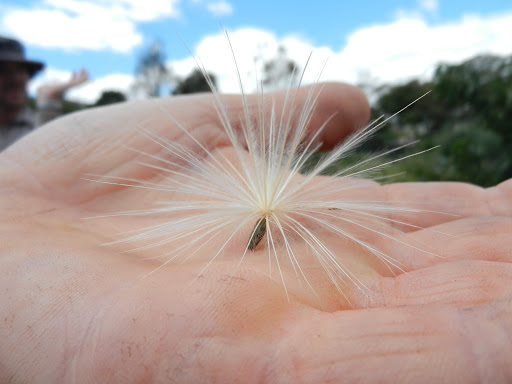
Globe Artichoke seed
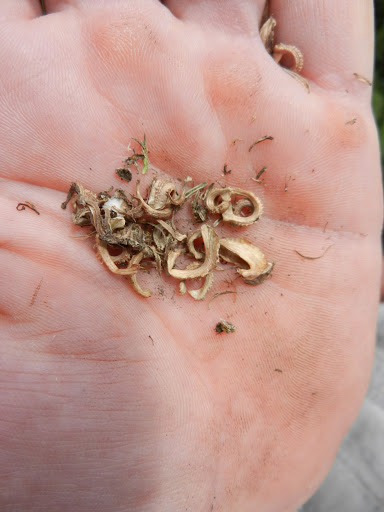
Calendula seeds
the most amazing smelling rock melon ever!
it was so delicious I wanted to keep on sniffing
it again and again!!
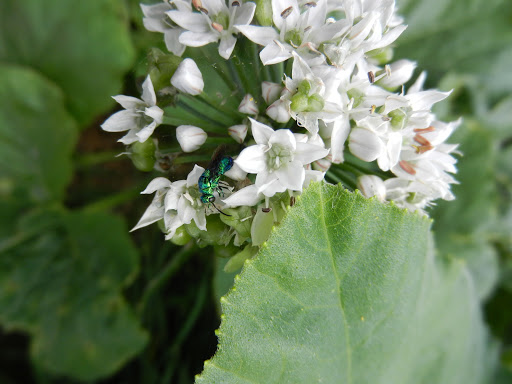
the most amazing iridescent bug discovered in the garden. We also saw a bright blue insect. God is AWESOME at creating

Thank you Darren and Jasmine for so openly sharing your love for plants,  your passions, your selves and the garden with us! We are so grateful!


* Darren’s mum and partner (Julie and Nevel) run the ‘Little Ladybird Nursery’ in Uralla, where Darren and Jasmine have their seeds and help out too.

February Events

Hello!

We have had a lovely ‘break’ and are loving this beautiful rain that we have been having over the last few days. We are excited about getting up and running with events for the year, starting new projects and finishing off old ones.

Now that the earth is a little damp we can begin planting trees again.

We are having our first Environment Day next Wednesday 6th February 2013. (Environment Day’s will be becoming regular again this month, check events page for details.)

We are having a chair-cleaning working bee on Saturday 9th February 2013.

Lincon and Philippa are having a day in the Waterless Garden on Saturday 16th February 2013.
If you would like to come along and give some time, effort and love to this project they will be excited to see you there!

We are planning to have regular weekends this year for varied activities. The first one will be Saturday 2nd and Sunday 3rd of March 2013. The weekend’s activities will include: tree planting, gardening, living systems, installing nature boxes and playing with barbed wire. (More information to come on this event, please check the Events static page for details closer to the time).

If you have a desire to join us for any of these events or future events check out the Events static page for details and listen/watch prerequisite material which can be found at the bottom of the Events static page. For more information or questions and queries please contact us via email or phone.

We feel this is going to be a year full of exciting experiments, discoveries, investigations and fun!

Pete’s always wanted a bulldozer, we just didn’t realise it would be God’s version
not man’s, giggle. Welcome to the first wombat in over 100 years or more to the
property. He’s pretty cool, feisty, smoochy and very determined when wanting
to get into our house!!!

Bees & Thoughts on Insects and the Smaller Creatures

We think bees* and flies, ants** (waste warriors), bugs, mosquitos, etc, etc, insects and creatures of all types, shapes and sizes are really very clever, very cool and very interesting. The amount of things they do are amazing. They are so talented and we don’t think that we would survive without them. We feel it is important to provide for the bottom of the food chain and all creatures***.
Where would we be without the insects, microbes, little soil warriors? The worms, soil makers and all those in between. They break down our waste, organic matter and are beautiful recycliers. They pollinate, clean up, and have perfect symbiotic relationships with various other living creatures and flora.
They facinate and intrigue us and we love learning about what they do, how they do it, their purposes, roles, and their individual talents and the wonders that they are.
Since becoming interested in insects and the smaller creatures and life creators we have discovered some amazing species. We don’t think they are new to Earth (we know they are not), but they are new to us and they are beautiful and awe inspiring to observe and learn about.
We were talking to a friend of ours the other day and he has seen blue bees.
We have (for the first time) seen blue/green iridescent flies with black and white polka dot undersides and yellow heads, purple iridescent ants with blue legs, rainbow bugs – jewel beetles and christmas beetles, soldier beetles; there are mud wasps working with Izabella, Charlie and Archie in their mud pits and building perfect mud castles on the underside of our veranda and in the kids curtains. The kids love bugs and are always finding species to come and show us. We are beginning to love bugs of all kinds, shapes and sizes.
There are so many wonders in this world. So much to explore, discover and enjoy. I am grateful to our creator for making such diversity, perfection and wondrous creatures so perfectly and precicely.
If we (the human soul) are the pinnacle of God’s creation imagine what we are like in all our glorious perfection****- something to aim for, smile.
Bee and Fly collecting from the sunflowers
Bee Day (one of Michael’s and the kids passions) – checking bees and setting up a new hive for a swarm
Bees checking out their new home
Check out the website http://www.aussiebee.com.au/beesinyourarea.html#locationtable for more native Australian bee information.
Golden honey from domesticated bees
A wild bee entering it’s hive in a hollow in a manna gum near the creek
Wild bee hive found in the paddock. How amazing are bees to build such perfect honey
comb from scratch.

Really God has created such beautiful, perfect, precise, amazing, awe inspiring creatures both great and small! Think of all the things, all the creatures we have no idea about and yet they are working in perfect harmony all around us doing all sorts of things that I often feel we take totally for granted and are often in total ignorance about the how’s and why’s of. Nature is definitely one beautiful way to explore and discover more about God and God’s perfect creations. Tread lightly and carefully on your discoveries. smile.

 
* A really cool Australian bee website is http://www.aussiebee.com.au/beesinyourarea.html#locationtable it has some great photos and basic information on lots of types of bees.

**Check out Mary’s blog for some really interesting images of insects in extreme flood conditions and a documentary on ants who are seriously amazing!!

***We still are working through some feelings we have around certain insects, creatures and bugs that attack things but realise that their behaviour is to do with our emotions and projections towards them rather than just an un warranted intent to attack. They wouldn’t attack if they felt loved, ‘safe’ protected, provided for and as important as every other creature in the environment. At the moment things are still out of balance for us. We are working to love all creatures equally. Observing ourselves in this experiment is very enlightening!
 
****We are not there yet by any means, but sometimes I like to wonder and imagine what the possibilities of my soul are if I am stretched all the way to being at-one-with-God, Wow! (I don’t think my imaginings even come close).  I love wondering and entertaining thoughts about the possibilities of creation in nature of a soul who is in a state of perfection!

Waterless Nursery Project

The waterless nursery project is an ongoing project. We are keen to do some experiments with other materials to hold the water also. This project ties in with the Waterless Garden project.
Observations: We have had some really hot weather this summer and have found the waterless nursery to be fabulous. It has saved us time watering every day and worry about if plants are getting enough water or not.
We feel that this could be modified in many ways to create plantable veggie gardens and other things. Just keep in mind root length of plants if planting in these systems as you may need to modify designs to accommodate different plants etc.
Now we are getting heaps of rain we are wondering if we needed to put more woodchip in ours so there was less room in the tops where the plants are. We have done a variety of heights and will see what happens after this rain. Also wondering if an overflow may have been a good idea so the plants don’t drown, we have needed to scoop out some water over the last few days as the tops have filled out.

How to make a waterless nursery:

1. Place newspaper on the ground quite thick (to prevent plastic tearing or things sticking though).

2. Stack two kiwi collars on top of each other on top of the newspaper:

You could also make your own out of old crates/pallets or other wood. Kiwi collars are great as they can be shaped into different shapes and have a special stacker lock hinge so they don’t move when attached together. (check out www.kiwicollars.com.au for more information).

kiwi collar

3. Line the kiwi collars with plastic, peg the plastic to the sides to keep it in place (we used a double layer of builders lining plastic.

line with newspaper
4. put newspaper on top of the plastic in the bottom of the kiwi collars to prevent the woodchip from sticking through the plastic.
5. Add a piece of pipe as a water inlet so you can fill the kiwi collars with water and add water incase it gets too dry from time to time if needed. (we put a flower pot with a bit of shade cloth over the pipe inlet so that the woodchips do not block up the pipe and water has a free flow in.)

newspaper lining, water inlet
6. Add woodchip to desired height
adding woodchip
7. Put in a layer of regen felt, this stops weeds and creates a wicking effect
felt layer

8. Add woodchip on top of the felt

add woodchip (trim plastic if needed)

9. Add a soil layer to the top if you desire to plant into it to make garden beds

10. We didn’t put a soil layer as we just want this to be a nursery, so all our plants are in pots at this time and sitting directly on the felt wicking the water up. They are working really well!!

nursery plants in their self watering beds
Other methods and ideas for waterless gardens (these have been implemented in the Waterless Garden Project):
Depending on weather conditions it could be a good idea to actually line this with plastic. I know on the illustration
it says don’t need lining but Lincon and Philippa have noticed with the dry weather that it would have been a much
better idea to line it. The ‘Kiwi collar’ in this image can also be dug into the ground, it does not have or need to be above ground to work. Decisions can be made to suit the design you desire for your project.
This is an experiment and not sure how it is going. We are going to also try one with small pebbles and woodchip and see what happens. Same concept as above. The layers can be used and modified for your particular project.
An experiment with collecting dew  to water plants. – we suggest plastic lining for both logs and rocks at this time
condensation collecting area in the waterless garden
Once again we suggest to line the dug out area with plastic. (The wood is underground)
‘Hotspot’ in the waterless garden project

Thank you to AJ and Mary, Philippa and Lincon for some of the photos in this post.
Thank you also to AJ for demonstrating and bringing our awareness to this method of gardening.

Living Fertility Systems

If you haven’t read the blog ‘Creating Loving Eco-Systems -An Introduction’ yet we suggest that you do so especially if you have the intention to actually create a living system yourself.

We began these systems in 2012 and it is an on going project.

It is really important to understand that you need to have a feeling of love and put love into this project. Without love it is not going to flourish and be abundant. If you don’t desire to give love to what you are doing we suggest not to begin the project (better to look at why you don’t want to first, and do the project at another time).

Living Systems are about creating, food, habitat, moisture (water) for Bacteria, fungus, microbes, soil-based creatures (worms, ants, white ants etc)Plants that prepare the environment (weeds, trees seemingly without “purpose”) Above ground and airborne creatures (insects, spiders, etc)

They very basically consist of putting a lot of dead matter in one place and creating a decomposing (not composting) mound or hole to give all the little life creating creatures/primary recovery organisms food and a place to flourish. 


If your intention is to get from the mound or hole, to take for yourself e.g. plant a fruit tree right away in it so you can eat rather than purely just wanting to create fertility in the soil you may find there are issues (this does not mean that eventually there wont be a fruit tree there that you can eat, but we need to be very honest with ourselves about why we are engaging in the projects in the first place, expectation and demands on plants and creatures causes negative results in our experience (this is a process). 


Living systems are about properly preparing the soil and environment so that eventually it will be wholly self sustainable and will support all life (flora and fauna). The intention of living systems is to provide abundance to the living intelligence that knows best how to repair what is damaged – in this case the soil. Soil based living intelligence knows best how to heal, balance soil, water based living intelligence know best how to heal, balance water systems, if we create places where these primary recovery organisms have all they need to live and flourish abundantly close by then they will feel loved, not attacked and will abundantly be able to procreate and multiply which is exactly what the land needs.


These creatures are all your friends. It is only when organisms feel attacked that they can get out of balance and ‘attack’ back (for them they are only ensuring their survival). Example: when white ants eat your house they are not purposely attacking you out of spite, they are just doing their job of recycling dead matter. If you loved the white ants and had a whole heap of dead matter and gave the white ants an opportunity to create a home that they loved with abundant food and water nearby they could well leave your house alone. If we love these organisms as much as we love other creatures e.g. your cat or dog, and give them as much love, food, shelter, water as we can then they wont have reason to attack and can get on with having lots of sex multiply at a rate that is sustainable for where they live (totally in balance and harmony) and doing what they do best – recovery jobs. That will cut down your work and effort and make everyone and everything in the environment around you much happier and more plentiful. They don’t need us, we do need them and in our arrogance we often think that we don’t. 


primary soil recovery creature! These guys are truly intelligent
and completely amazing in many ways!!

Living System example, Below Ground Variety (Hole):

 
Living System Example, Above Ground Variety (Mound):
 
 
Basic Construction of a Living System:
Give Abundantly to your living fertility systems, both love and matter!!
 
note: you do not need specific ingredients to construct a living system. you can use what you have on hand and you can do it over a period of time. For example you could have a hole in your back yard and put all your organic food waste, old clothing, some tin and metal (avoid aluminium where possible), your own manure – if you are vegan and want to, (meat eaters excrement has toxins and different bacteria in it), all paper (ripped up, or scrunched to create air pockets for worms), cardboard, newspapers etc (put it in vertically so worms and organisms have somewhere to go if it gets wet), old broken furniture, bits of wood, grass clippings, what ever you have in it, cover it with a board until you fill it up (so you don’t fall down it) and when a few inches from the top cover it with a thick layer of wood chip, put an optional decorative stump, log or rock on top of it and let the primary recovery organisms do their wonderful thing. You could also have little holes all over the place and put your household waste in it.
 
If you do have access to fallen branches, dead trees (these need to be covered and have as much surface area contact with the ground as possible to encourage decomposition and so that the organisms can eat them without being open to attack, hay, debosia, manure, etc etc, use that!
 
Below Ground Variety:
Dig a hole:
 
This can be very large to small depending on the scale of your project and how much matter you have to put in it.
or Find a bit of erosion:
Collect a whole heap of matter (be Generous): 
Newspaper, cardboard, paper, shredded paper,

Hay, debosia, damaged hay, mouldy hay, etc etc

Manure, horse, cow, sheep, any animal (note that bat and chicken are extremely strong, might need to mix these with less astringent manures), human – if vegan

windfall trees/branches etc

seeded dead weed/grass matter, lawn mowings etc

Add what you have got, what you can find, what you have on hand.
Encouraging what is already there & using what you have at hand:

We suggest if you have a pile of wood as above to begin that as the basis of your mound, stuff the other matter, cardboard, paper, hay, woodchip, smaller sticks, manure, manure slurry – for the worms etc, what ever you have in all the holes, stuff it up tight and then cover it with manure, and finish it with hay so you have a lovely big mound of dead matter that is covered as much as possible. This can be done with tree stumps also, create the mound around them where they already exist.

encouraging what is already there – feeding a white ants nest,
adding cardboard and wood chips to encourage the
life and support it where it is.
Add minerals (be generous):
 
You will need to identify what minerals the soil needs. A soil test is good for this. We used gypsum for the project in standby paddock as there was a clay base. In other areas of the land we have used different mineral combinations. Each hole may be different.
You can put an optional layer of newspaper (2 sheets thick) over the minerals if you want.
Put compacted matter into the holes:
 
put cardboard bales, hay bales, fallen trees, tree stumps, branches -cut up to fit hole, (compacted items) in the hole.
jostling a bale into place
Pack it in tight – generously:
Pack Cardboard/hay/matter around the compacted matter to fill up the hole tight. When using paper and cardboard put it standing up ways so that worms and other organisms are able to crawl upwards to the top to get out of excess water.
Adding cardboard and newspaper
the more cardboard the better –  food
Adding more food
Add Manure and worms – generously:
 
Worms love manure and will chomp through it. We also created what we called ‘worm slurry’ a water manure brew that was soaked for a few days before putting it into the system. We did this to add moisture and a place for worms to begin feasting and breeding right away. Worms need moisture. (No need to deplete your worm breeding centres too much, take what you can and then wait till the worms breed up more and add more to the living system at a later date, if needed.)
(We put manure all through the systems and then made little worm pockets with slurry at the top of the holes to create a worm feasting/breeding area from which they can multiply and spread through the system).
 
Worm Slurry:
 
This can be a mixture of all sorts of things that worms like, could include food scraps too if you wanted to.
Can be water, manure, decomposed matter, small bits of cardboard soaked, or just manure and water. Make use of what you have or can easily access.
make a worm food slurry/brew water, poo,
decomposed hay, small bits of cardboard
put the slurry/brew under the newspaper in all the
holes and cracks so that there is moisture
Cover with Mulch:
 
to keep it moist and also add more food and places for insects to live.
adding mulch
Cover with mulch to keep moist (what a lovely ‘bug’ palace)
 
Adding dead matter:
 
We were really grateful to our neighbours (the Munsies) for their generous gift of felled trees to put both underground into the living system hole and also on the top of it.
moving dead matter onto the top – creating habitat and
food sources for fauna.
Put as much matter as possible in and on top of the holes.
Cover as much surface area as possible:
Pack matter around the wood to ensure as much surface area of the logs are covered or touching hay, woodchip, etc so that it breaks down faster and so creatures can easily eat and make homes and do not have to endanger themselves or work hard to do so.
cover with woodchips (optional, you could use the wood chips in the living
system or if limited supply keep them to use for mulching around the
 regeneration ‘support’ plants (legumes) rather than putting it
over the top.
Woodchip packed around the tree stumps to enable more
surface area to be available to primary recovery organisms.
(You can use hay, or any other materials you may have
access to).
Living System Above Ground Variety:
 
To construct an above ground living system is pretty much the same as below ground but without a hole. There are heaps of ways you can build it, some examples: on crates, straight on the ground, cut a small cut or swale into the ground before piling matter.
Important to note that the above ground system is about decomposition not composting. You do not want it to be overheating (unless specifically designed to do so for example in the case of cold climate and creating micro climate hot spots.) Composting kills life as it gets too hot. Decomposition encourages life, (decomposition still feels warms just not hot).
above ground (mound) living system
Make a cut, or just lay a crate, hay or any other matter on the ground to build upon.
You could use an old tree stump, piles of wood, windfall branches, logs, trees. You can make living systems around what already exists if it is too hard to move. GIVE ABUNDANTLY to your Living Fertility Systems!
The beginning of the worm ‘mound’
Bale of hay wedged into a bit of open soil
and separated to create decomposition not composting.
Primary Recovery Organisms don’t like too much heat

fill the gaps with cardboard and manure/logs/fallen branches etc

put the slurry/brew under the newspaper in all the
holes and cracks so that there is moisture

Put it all together

cover in manure, mulch it with hay, cover with wood chips and
then put fallen branches  (ones that have not been on the
ground long and that have not begun creating habitat.) To
hold the mound in place and create habitat and encourage other
fauna and flora to come and make their homes!
cut timber for the top and middle of mounds
 
The mound
Creating Living Systems (to improve soil fertility) was a great day learning about the earth, ourselves and how to create abundance through giving love and supporting the intelligent life systems without expectation* that support us. 
I feel that one of the greatest gifts was the fact that if want to take and we want for everything to be given to us from the earth; If we do not desire to give and love the earth, land and all the intelligent life – the fungi, bacteria, microbes, micro-organisms, worms, insects, and all the creating things – then it is really best to not begin in the first place. The whole exercise is an exercise in giving for the pure desire to give to that which creates. To give without gain. 

Personal Note on what Eloisa learnt from creating Living Systems: I need to be like a worm hole.

To stop expecting and demanding** from the earth and the land and to trust God’s abundance and her way of creating and see the way she creates and help out the best that I can by providing food, water, shelter to everything that sustains life. To all the insects, fungi, bacteria, microbes, micro-organisms etc these are our friends and our desire to erridicate them reflects how much negative, self serving desire we have and how little we understand about the way that the world operates as God designed it. We create more and more problems that then need fixing. We are exhausting ourselves with meaningless things that could be done so much more easily if we were more humble, more logical and actually understood what God has gifted us in the first place. We humans claim to be intelligent but I am beginning to wonder, smile. What I saw today is that God’s way is best*** and it is beautiful, magical, abundant and can create wonderlands…. We are excited about the experiment and to see ‘who moves in’ and what happens.

* Today I learnt how much expectation I have about things giving to me in order for me to get what i want. I learnt how much demand we have and how much pressure we put on the earth rather than giving to the earth abundantly and without expectation to encourage intelligent living flora and fauna to create it’s own living self creating systems. 

** This is an emotional change not just an intellectual exercise that we can think into existance. It takes us emotionally releasing the demands and expectations that we have on things to sustain us. To grow our desire to love, grow our desire to give and our desire to find out about all the intelligent life that God has created and support it purely because we desire to support it and for no other reason. 

*** In my arrogance I am not always humble to this fact and try to force my way, but when it is logically explained I wonder why I thought there was any other but God’s way. Much to learn and how exciting!


Soul Experiment Series : Asparagus and Cucumber Observations

This is an observation Pete made while transplanting some asparagus.
He was transplanting a whole heap of little seedlings with much joy, love and excitement. Pete loves seeds and plants and planting. After filling a couple of rows he began to feel like he didn’t want to plant anymore and that he couldn’t be bothered. But he felt obligated and thought that it wouldn’t be okay to just throw a whole heap of little seedlings out and not transplant. So he continued to plant them but no longer with joy, love and excitement.
a few days later he went up to the nursery and he noticed this:
20120620 Asparagus observation

Where he had planted with love they were growing and thriving. Where he had lost his joy and felt obligated they all died (as can be clearly seen in the picture above). This is a reminder about what happens when we don’t want to do something or feel obligated. It is better to do it when we have an intention of love and a desire to do it, if we don’t, maybe look we need to look at the reasons why it is absent.

Observation of the cucumbers:

This was another observation Pete made. He loves cucumbers and so far all of them have been eaten or something has happened to them where they have not grown well, died, or decimated to oblivion (over the last 2 years).

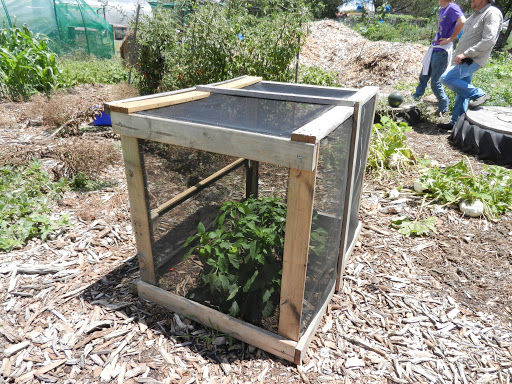
This year he planted them with tree guards to protect them. He went out and noticed they had all been chomped up by various creatures in the garden (unfortunately I don’t have a photograph of the extent of the chomping, but I am sure if you have had a slug/snail attack you can imagine what it looked like, imagine half a leaf or so left). He decided that he would try an experiment. Pete took the guards off and put them just beside the cucumber plants as a wind break, the cucumbers did not get attacked and have grown and produced cucumbers this year without attack.

It would seem that his over protection created attack. Also the tree guards create a little warm micro climate for the slugs, snails and other little creatures to safely eat and be protected while doing so.

We don’t suggest not to use tree guards under certain conditions and circumstances but we do suggest to examine your intentions and feelings around plants that you plant. We are noticing when we have demands, expectations upon plants and the intention for them to grow for us so we can eat them rather than just love and grow plants that they often get eaten and attacked.

We are noticing that often just by realising these things that the results change. It is the feelings in us that dictate what happens around us we feel. Our soul is a powerful creator (and destroyer when out of harmony with love we are noticing). We are finding it a fascinating observation and experiment to notice how we affect the environment around us.

Cucumber (20121103)
cucumber with tree guard beside it as a
windbreak. (Nov 2012)
Same view as above with cucumbers and cucumber vine (Jan 2013)
cucumber from above (has tinged yellow leaves from being so dry – we do
not water our garden and it has been stressed with the extreme heat of late.)
This is a reflection of our soul condition also at this time. (Jan 2013)