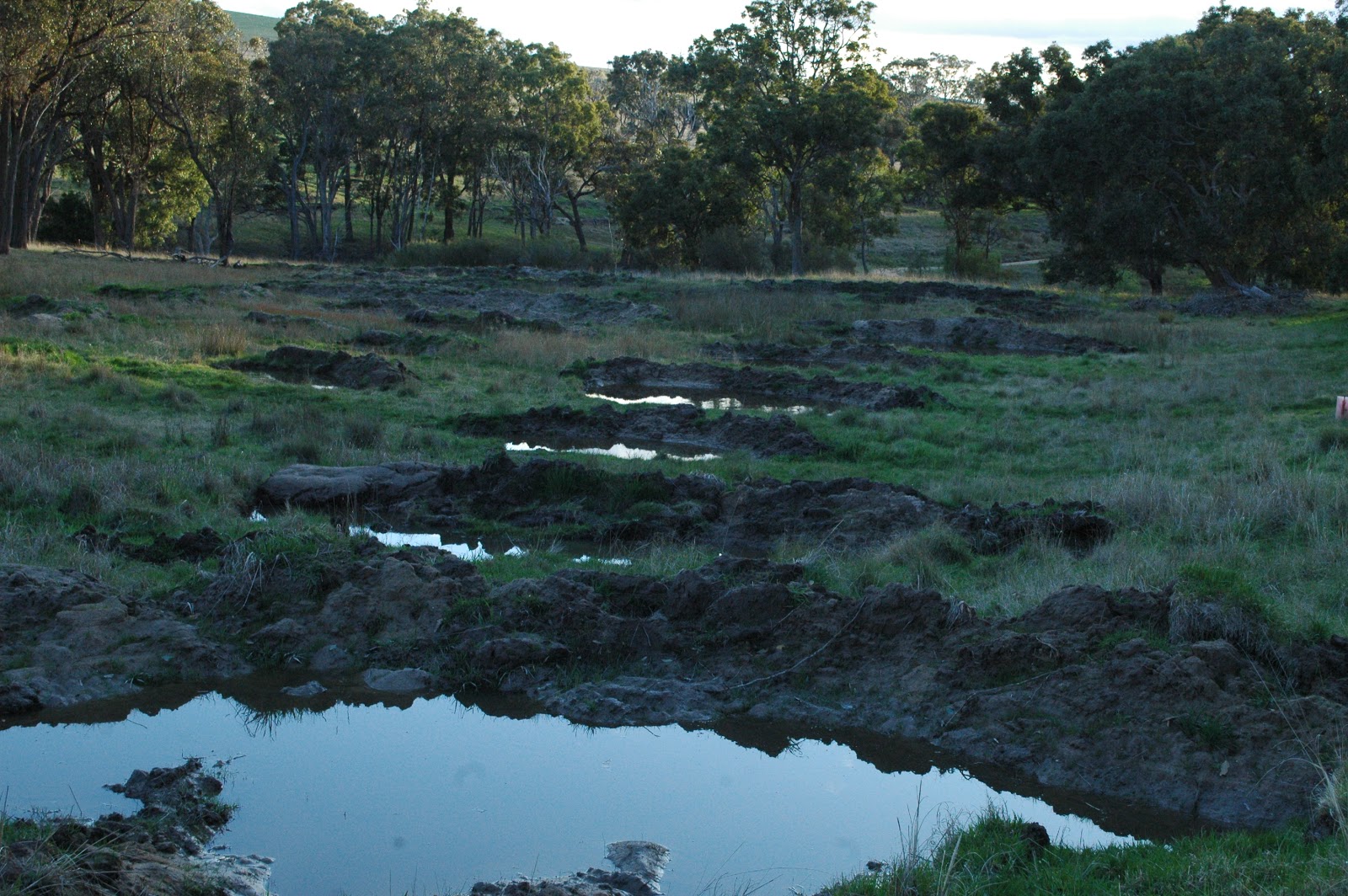
Bees & Thoughts on Insects and the Smaller Creatures

We think bees* and flies, ants** (waste warriors), bugs, mosquitos, etc, etc, insects and creatures of all types, shapes and sizes are really very clever, very cool and very interesting. The amount of things they do are amazing. They are so talented and we don’t think that we would survive without them. We feel it is important to provide for the bottom of the food chain and all creatures***.
Where would we be without the insects, microbes, little soil warriors? The worms, soil makers and all those in between. They break down our waste, organic matter and are beautiful recycliers. They pollinate, clean up, and have perfect symbiotic relationships with various other living creatures and flora.
They facinate and intrigue us and we love learning about what they do, how they do it, their purposes, roles, and their individual talents and the wonders that they are.
Since becoming interested in insects and the smaller creatures and life creators we have discovered some amazing species. We don’t think they are new to Earth (we know they are not), but they are new to us and they are beautiful and awe inspiring to observe and learn about.
We were talking to a friend of ours the other day and he has seen blue bees.
We have (for the first time) seen blue/green iridescent flies with black and white polka dot undersides and yellow heads, purple iridescent ants with blue legs, rainbow bugs – jewel beetles and christmas beetles, soldier beetles; there are mud wasps working with Izabella, Charlie and Archie in their mud pits and building perfect mud castles on the underside of our veranda and in the kids curtains. The kids love bugs and are always finding species to come and show us. We are beginning to love bugs of all kinds, shapes and sizes.
There are so many wonders in this world. So much to explore, discover and enjoy. I am grateful to our creator for making such diversity, perfection and wondrous creatures so perfectly and precicely.
If we (the human soul) are the pinnacle of God’s creation imagine what we are like in all our glorious perfection****- something to aim for, smile.
Bee and Fly collecting from the sunflowers
Bee Day (one of Michael’s and the kids passions) – checking bees and setting up a new hive for a swarm
Bees checking out their new home
Check out the website http://www.aussiebee.com.au/beesinyourarea.html#locationtable for more native Australian bee information.
Golden honey from domesticated bees
A wild bee entering it’s hive in a hollow in a manna gum near the creek
Wild bee hive found in the paddock. How amazing are bees to build such perfect honey
comb from scratch.

Really God has created such beautiful, perfect, precise, amazing, awe inspiring creatures both great and small! Think of all the things, all the creatures we have no idea about and yet they are working in perfect harmony all around us doing all sorts of things that I often feel we take totally for granted and are often in total ignorance about the how’s and why’s of. Nature is definitely one beautiful way to explore and discover more about God and God’s perfect creations. Tread lightly and carefully on your discoveries. smile.

 
* A really cool Australian bee website is http://www.aussiebee.com.au/beesinyourarea.html#locationtable it has some great photos and basic information on lots of types of bees.

**Check out Mary’s blog for some really interesting images of insects in extreme flood conditions and a documentary on ants who are seriously amazing!!

***We still are working through some feelings we have around certain insects, creatures and bugs that attack things but realise that their behaviour is to do with our emotions and projections towards them rather than just an un warranted intent to attack. They wouldn’t attack if they felt loved, ‘safe’ protected, provided for and as important as every other creature in the environment. At the moment things are still out of balance for us. We are working to love all creatures equally. Observing ourselves in this experiment is very enlightening!
 
****We are not there yet by any means, but sometimes I like to wonder and imagine what the possibilities of my soul are if I am stretched all the way to being at-one-with-God, Wow! (I don’t think my imaginings even come close).  I love wondering and entertaining thoughts about the possibilities of creation in nature of a soul who is in a state of perfection!

Living Fertility Systems

If you haven’t read the blog ‘Creating Loving Eco-Systems -An Introduction’ yet we suggest that you do so especially if you have the intention to actually create a living system yourself.

We began these systems in 2012 and it is an on going project.

It is really important to understand that you need to have a feeling of love and put love into this project. Without love it is not going to flourish and be abundant. If you don’t desire to give love to what you are doing we suggest not to begin the project (better to look at why you don’t want to first, and do the project at another time).

Living Systems are about creating, food, habitat, moisture (water) for Bacteria, fungus, microbes, soil-based creatures (worms, ants, white ants etc)Plants that prepare the environment (weeds, trees seemingly without “purpose”) Above ground and airborne creatures (insects, spiders, etc)

They very basically consist of putting a lot of dead matter in one place and creating a decomposing (not composting) mound or hole to give all the little life creating creatures/primary recovery organisms food and a place to flourish. 


If your intention is to get from the mound or hole, to take for yourself e.g. plant a fruit tree right away in it so you can eat rather than purely just wanting to create fertility in the soil you may find there are issues (this does not mean that eventually there wont be a fruit tree there that you can eat, but we need to be very honest with ourselves about why we are engaging in the projects in the first place, expectation and demands on plants and creatures causes negative results in our experience (this is a process). 


Living systems are about properly preparing the soil and environment so that eventually it will be wholly self sustainable and will support all life (flora and fauna). The intention of living systems is to provide abundance to the living intelligence that knows best how to repair what is damaged – in this case the soil. Soil based living intelligence knows best how to heal, balance soil, water based living intelligence know best how to heal, balance water systems, if we create places where these primary recovery organisms have all they need to live and flourish abundantly close by then they will feel loved, not attacked and will abundantly be able to procreate and multiply which is exactly what the land needs.


These creatures are all your friends. It is only when organisms feel attacked that they can get out of balance and ‘attack’ back (for them they are only ensuring their survival). Example: when white ants eat your house they are not purposely attacking you out of spite, they are just doing their job of recycling dead matter. If you loved the white ants and had a whole heap of dead matter and gave the white ants an opportunity to create a home that they loved with abundant food and water nearby they could well leave your house alone. If we love these organisms as much as we love other creatures e.g. your cat or dog, and give them as much love, food, shelter, water as we can then they wont have reason to attack and can get on with having lots of sex multiply at a rate that is sustainable for where they live (totally in balance and harmony) and doing what they do best – recovery jobs. That will cut down your work and effort and make everyone and everything in the environment around you much happier and more plentiful. They don’t need us, we do need them and in our arrogance we often think that we don’t. 


primary soil recovery creature! These guys are truly intelligent
and completely amazing in many ways!!

Living System example, Below Ground Variety (Hole):

 
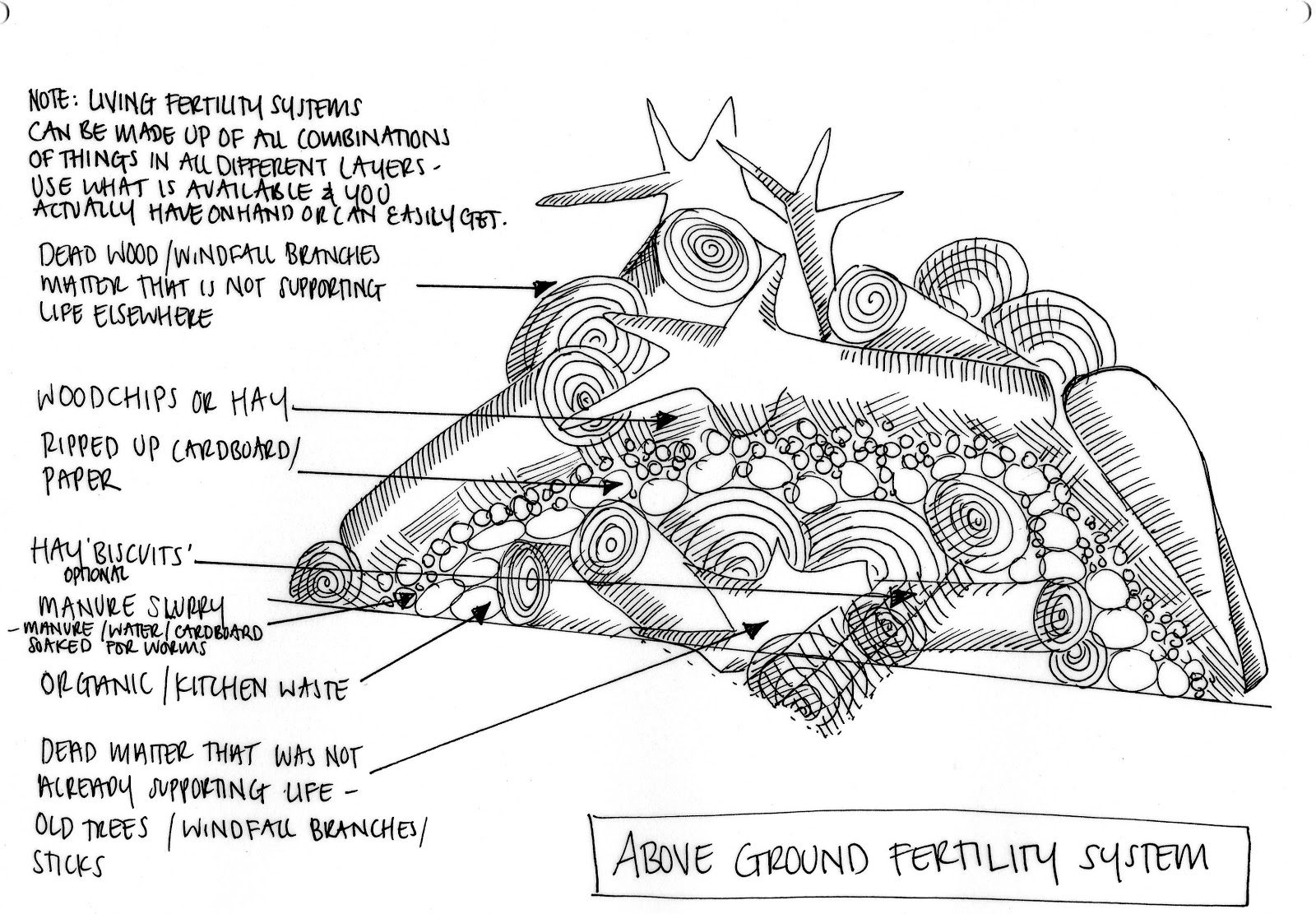
Living System Example, Above Ground Variety (Mound):
 
 
Basic Construction of a Living System:
Give Abundantly to your living fertility systems, both love and matter!!
 
note: you do not need specific ingredients to construct a living system. you can use what you have on hand and you can do it over a period of time. For example you could have a hole in your back yard and put all your organic food waste, old clothing, some tin and metal (avoid aluminium where possible), your own manure – if you are vegan and want to, (meat eaters excrement has toxins and different bacteria in it), all paper (ripped up, or scrunched to create air pockets for worms), cardboard, newspapers etc (put it in vertically so worms and organisms have somewhere to go if it gets wet), old broken furniture, bits of wood, grass clippings, what ever you have in it, cover it with a board until you fill it up (so you don’t fall down it) and when a few inches from the top cover it with a thick layer of wood chip, put an optional decorative stump, log or rock on top of it and let the primary recovery organisms do their wonderful thing. You could also have little holes all over the place and put your household waste in it.
 
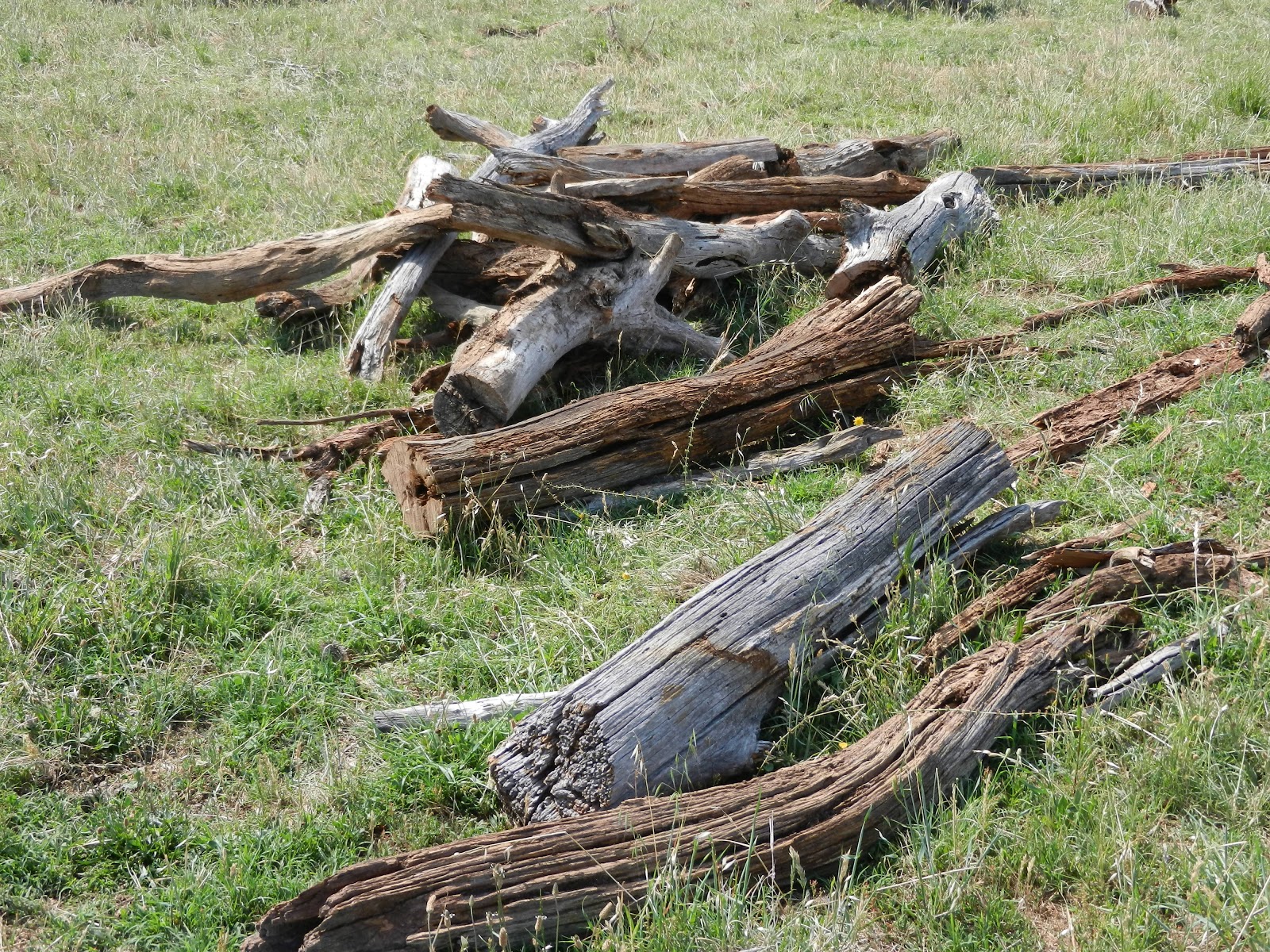
If you do have access to fallen branches, dead trees (these need to be covered and have as much surface area contact with the ground as possible to encourage decomposition and so that the organisms can eat them without being open to attack, hay, debosia, manure, etc etc, use that!
 
Below Ground Variety:
Dig a hole:
 
This can be very large to small depending on the scale of your project and how much matter you have to put in it.
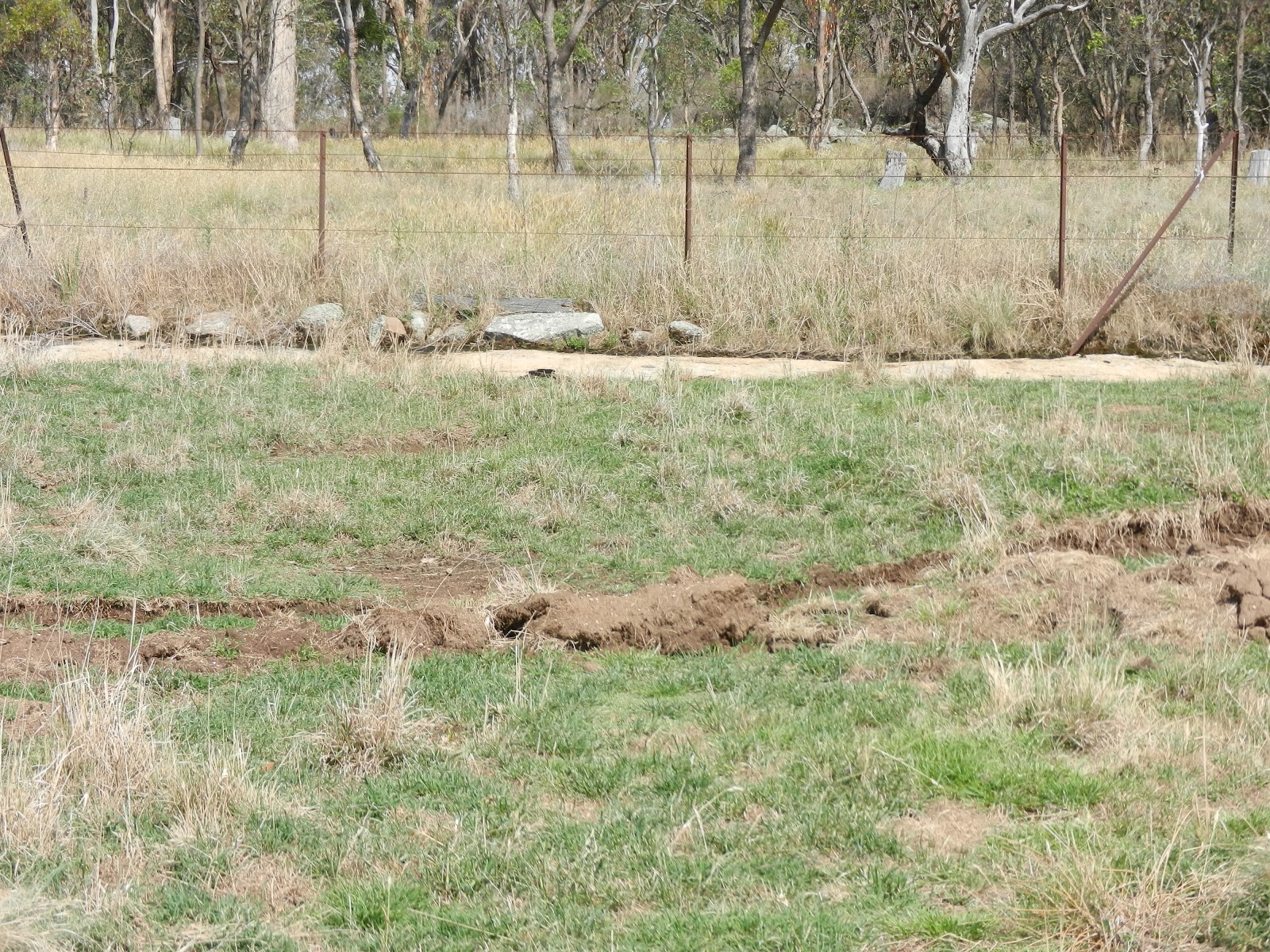
or Find a bit of erosion:
Collect a whole heap of matter (be Generous): 
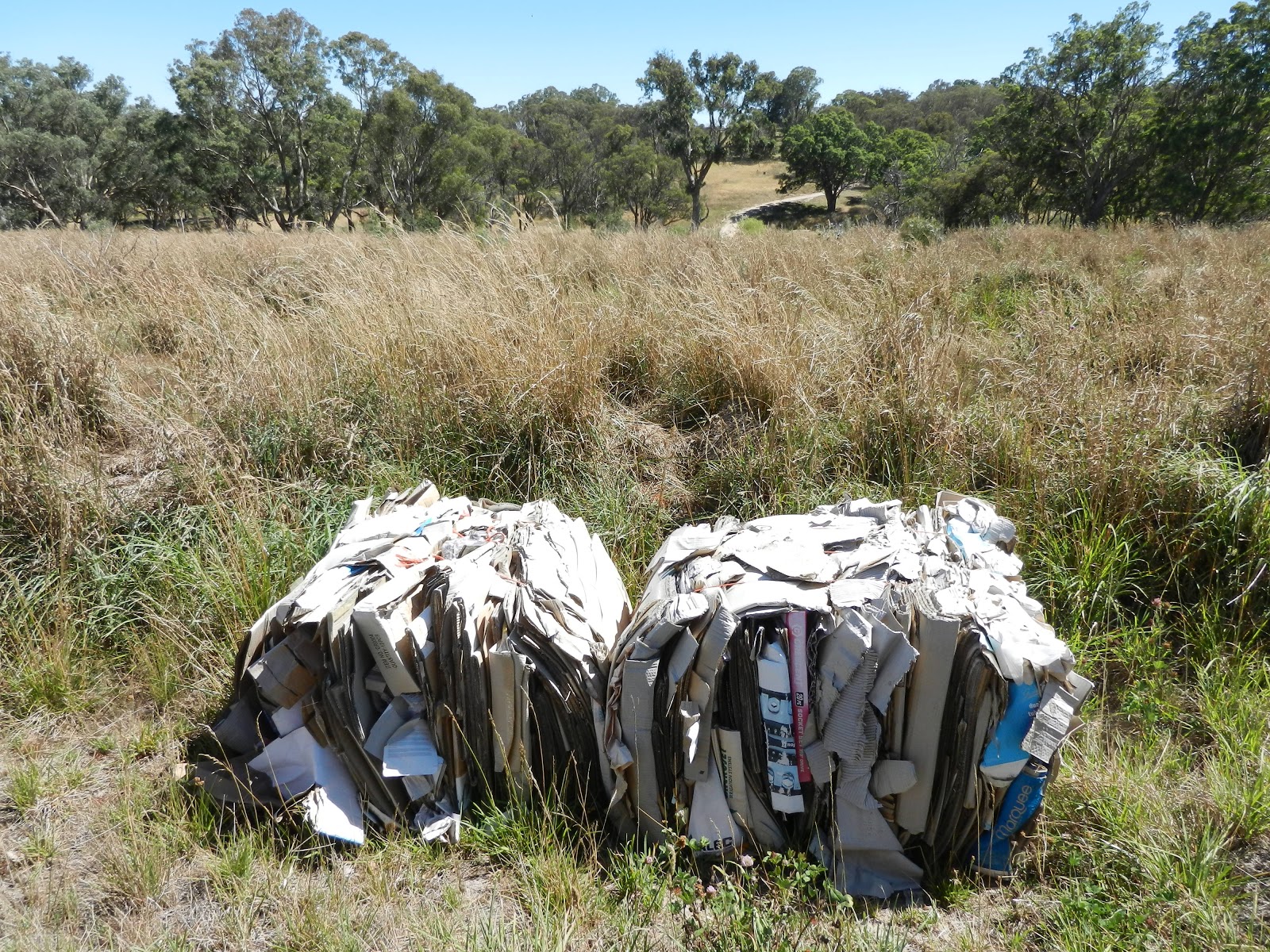
Newspaper, cardboard, paper, shredded paper,

Hay, debosia, damaged hay, mouldy hay, etc etc

Manure, horse, cow, sheep, any animal (note that bat and chicken are extremely strong, might need to mix these with less astringent manures), human – if vegan

windfall trees/branches etc

seeded dead weed/grass matter, lawn mowings etc

Add what you have got, what you can find, what you have on hand.
Encouraging what is already there & using what you have at hand:

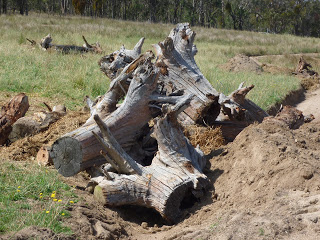
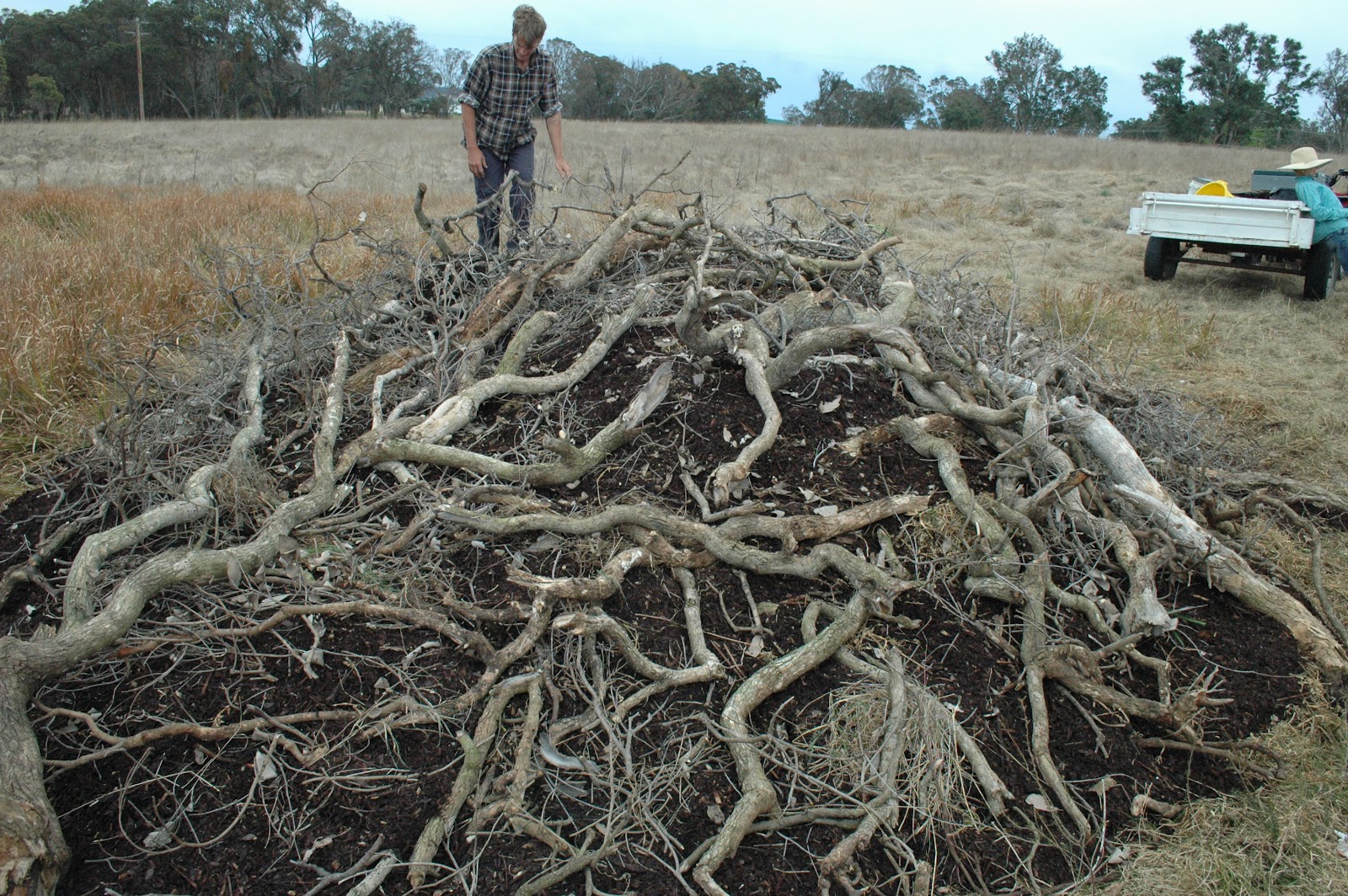
We suggest if you have a pile of wood as above to begin that as the basis of your mound, stuff the other matter, cardboard, paper, hay, woodchip, smaller sticks, manure, manure slurry – for the worms etc, what ever you have in all the holes, stuff it up tight and then cover it with manure, and finish it with hay so you have a lovely big mound of dead matter that is covered as much as possible. This can be done with tree stumps also, create the mound around them where they already exist.

encouraging what is already there – feeding a white ants nest,
adding cardboard and wood chips to encourage the
life and support it where it is.
Add minerals (be generous):
 
You will need to identify what minerals the soil needs. A soil test is good for this. We used gypsum for the project in standby paddock as there was a clay base. In other areas of the land we have used different mineral combinations. Each hole may be different.
You can put an optional layer of newspaper (2 sheets thick) over the minerals if you want.
Put compacted matter into the holes:
 
put cardboard bales, hay bales, fallen trees, tree stumps, branches -cut up to fit hole, (compacted items) in the hole.
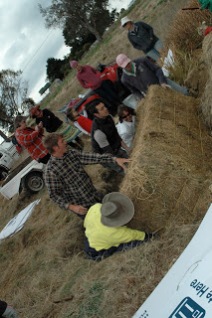
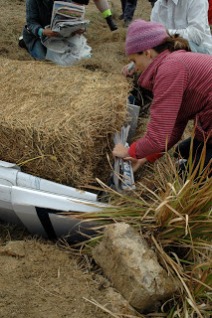
jostling a bale into place
Pack it in tight – generously:
Pack Cardboard/hay/matter around the compacted matter to fill up the hole tight. When using paper and cardboard put it standing up ways so that worms and other organisms are able to crawl upwards to the top to get out of excess water.
Adding cardboard and newspaper
the more cardboard the better –  food
Adding more food
Add Manure and worms – generously:
 
Worms love manure and will chomp through it. We also created what we called ‘worm slurry’ a water manure brew that was soaked for a few days before putting it into the system. We did this to add moisture and a place for worms to begin feasting and breeding right away. Worms need moisture. (No need to deplete your worm breeding centres too much, take what you can and then wait till the worms breed up more and add more to the living system at a later date, if needed.)
(We put manure all through the systems and then made little worm pockets with slurry at the top of the holes to create a worm feasting/breeding area from which they can multiply and spread through the system).
 
Worm Slurry:
 
This can be a mixture of all sorts of things that worms like, could include food scraps too if you wanted to.
Can be water, manure, decomposed matter, small bits of cardboard soaked, or just manure and water. Make use of what you have or can easily access.
make a worm food slurry/brew water, poo,
decomposed hay, small bits of cardboard
put the slurry/brew under the newspaper in all the
holes and cracks so that there is moisture
Cover with Mulch:
 
to keep it moist and also add more food and places for insects to live.
adding mulch
Cover with mulch to keep moist (what a lovely ‘bug’ palace)
 
Adding dead matter:
 
We were really grateful to our neighbours (the Munsies) for their generous gift of felled trees to put both underground into the living system hole and also on the top of it.
moving dead matter onto the top – creating habitat and
food sources for fauna.
Put as much matter as possible in and on top of the holes.
Cover as much surface area as possible:
Pack matter around the wood to ensure as much surface area of the logs are covered or touching hay, woodchip, etc so that it breaks down faster and so creatures can easily eat and make homes and do not have to endanger themselves or work hard to do so.
cover with woodchips (optional, you could use the wood chips in the living
system or if limited supply keep them to use for mulching around the
 regeneration ‘support’ plants (legumes) rather than putting it
over the top.
Woodchip packed around the tree stumps to enable more
surface area to be available to primary recovery organisms.
(You can use hay, or any other materials you may have
access to).
Living System Above Ground Variety:
 
To construct an above ground living system is pretty much the same as below ground but without a hole. There are heaps of ways you can build it, some examples: on crates, straight on the ground, cut a small cut or swale into the ground before piling matter.
Important to note that the above ground system is about decomposition not composting. You do not want it to be overheating (unless specifically designed to do so for example in the case of cold climate and creating micro climate hot spots.) Composting kills life as it gets too hot. Decomposition encourages life, (decomposition still feels warms just not hot).
above ground (mound) living system
Make a cut, or just lay a crate, hay or any other matter on the ground to build upon.
You could use an old tree stump, piles of wood, windfall branches, logs, trees. You can make living systems around what already exists if it is too hard to move. GIVE ABUNDANTLY to your Living Fertility Systems!
The beginning of the worm ‘mound’
Bale of hay wedged into a bit of open soil
and separated to create decomposition not composting.
Primary Recovery Organisms don’t like too much heat

fill the gaps with cardboard and manure/logs/fallen branches etc

put the slurry/brew under the newspaper in all the
holes and cracks so that there is moisture

Put it all together

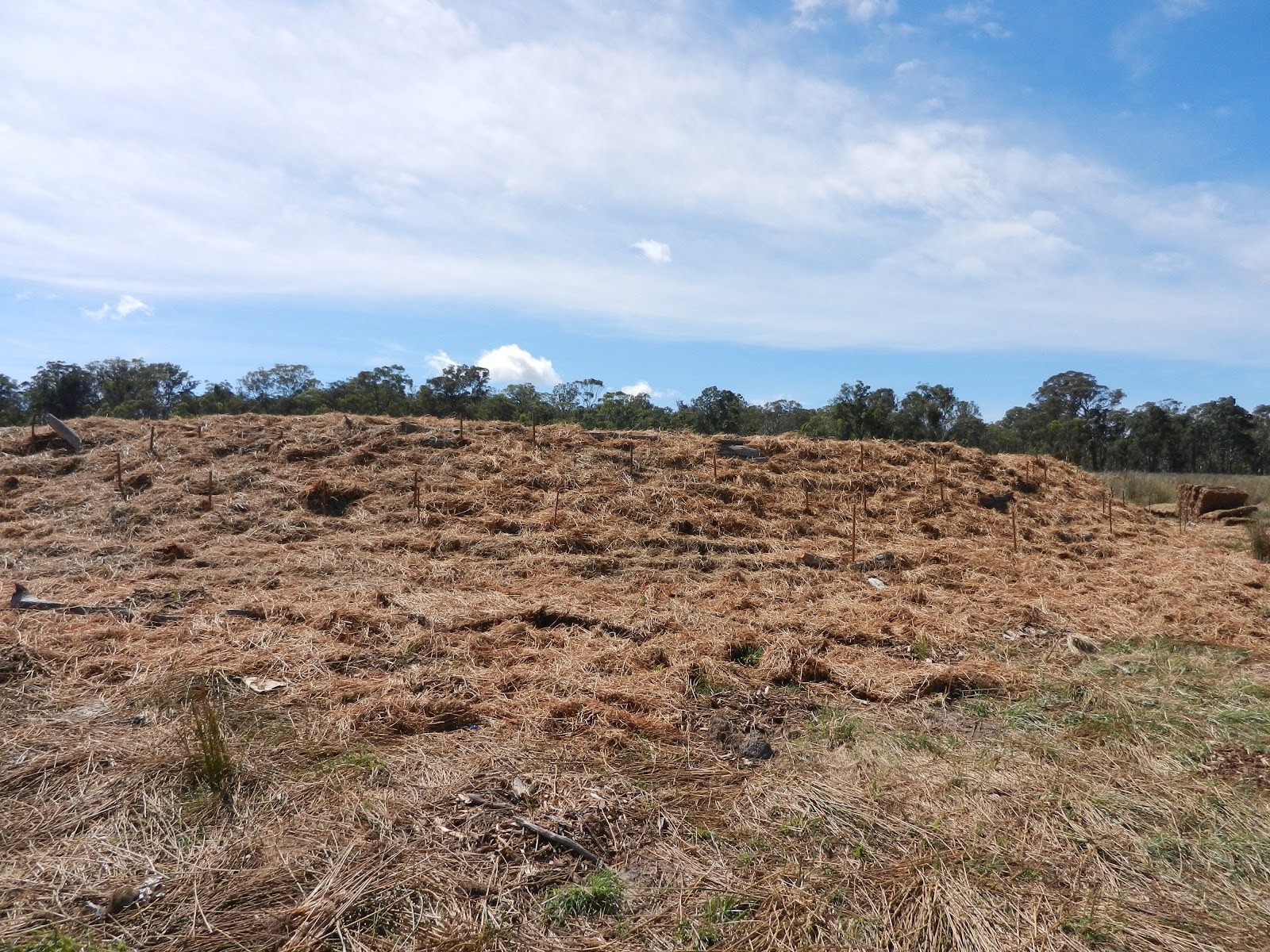
cover in manure, mulch it with hay, cover with wood chips and
then put fallen branches  (ones that have not been on the
ground long and that have not begun creating habitat.) To
hold the mound in place and create habitat and encourage other
fauna and flora to come and make their homes!
cut timber for the top and middle of mounds
 
The mound
Creating Living Systems (to improve soil fertility) was a great day learning about the earth, ourselves and how to create abundance through giving love and supporting the intelligent life systems without expectation* that support us. 
I feel that one of the greatest gifts was the fact that if want to take and we want for everything to be given to us from the earth; If we do not desire to give and love the earth, land and all the intelligent life – the fungi, bacteria, microbes, micro-organisms, worms, insects, and all the creating things – then it is really best to not begin in the first place. The whole exercise is an exercise in giving for the pure desire to give to that which creates. To give without gain. 

Personal Note on what Eloisa learnt from creating Living Systems: I need to be like a worm hole.

To stop expecting and demanding** from the earth and the land and to trust God’s abundance and her way of creating and see the way she creates and help out the best that I can by providing food, water, shelter to everything that sustains life. To all the insects, fungi, bacteria, microbes, micro-organisms etc these are our friends and our desire to erridicate them reflects how much negative, self serving desire we have and how little we understand about the way that the world operates as God designed it. We create more and more problems that then need fixing. We are exhausting ourselves with meaningless things that could be done so much more easily if we were more humble, more logical and actually understood what God has gifted us in the first place. We humans claim to be intelligent but I am beginning to wonder, smile. What I saw today is that God’s way is best*** and it is beautiful, magical, abundant and can create wonderlands…. We are excited about the experiment and to see ‘who moves in’ and what happens.

* Today I learnt how much expectation I have about things giving to me in order for me to get what i want. I learnt how much demand we have and how much pressure we put on the earth rather than giving to the earth abundantly and without expectation to encourage intelligent living flora and fauna to create it’s own living self creating systems. 

** This is an emotional change not just an intellectual exercise that we can think into existance. It takes us emotionally releasing the demands and expectations that we have on things to sustain us. To grow our desire to love, grow our desire to give and our desire to find out about all the intelligent life that God has created and support it purely because we desire to support it and for no other reason. 

*** In my arrogance I am not always humble to this fact and try to force my way, but when it is logically explained I wonder why I thought there was any other but God’s way. Much to learn and how exciting!
 

Laneway Regeneration Project 2011

 
This was one of our first swale experiments.
 
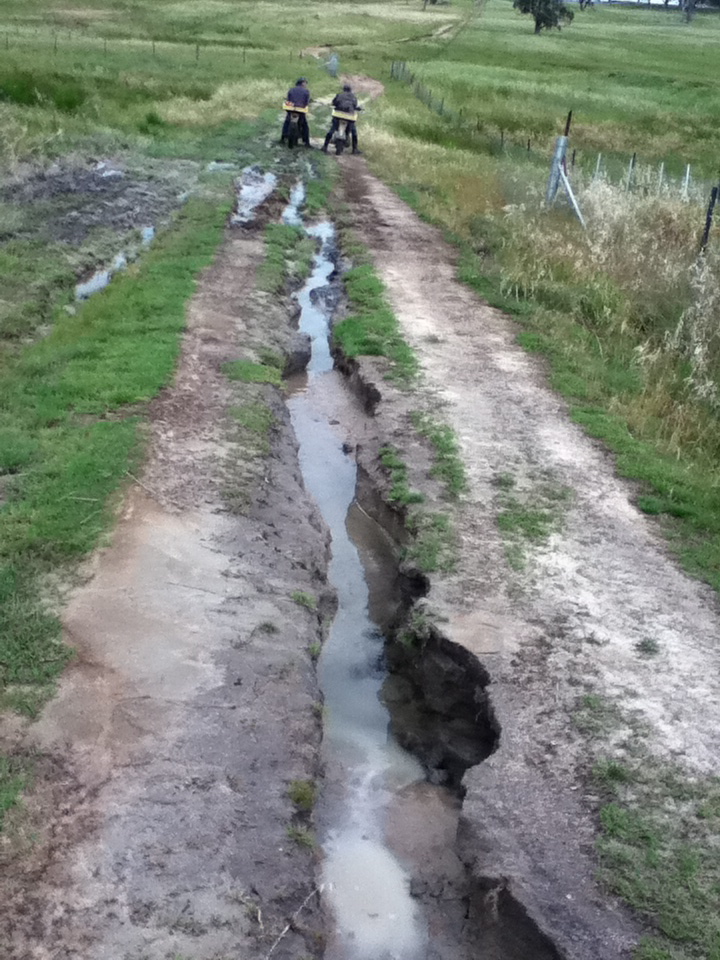
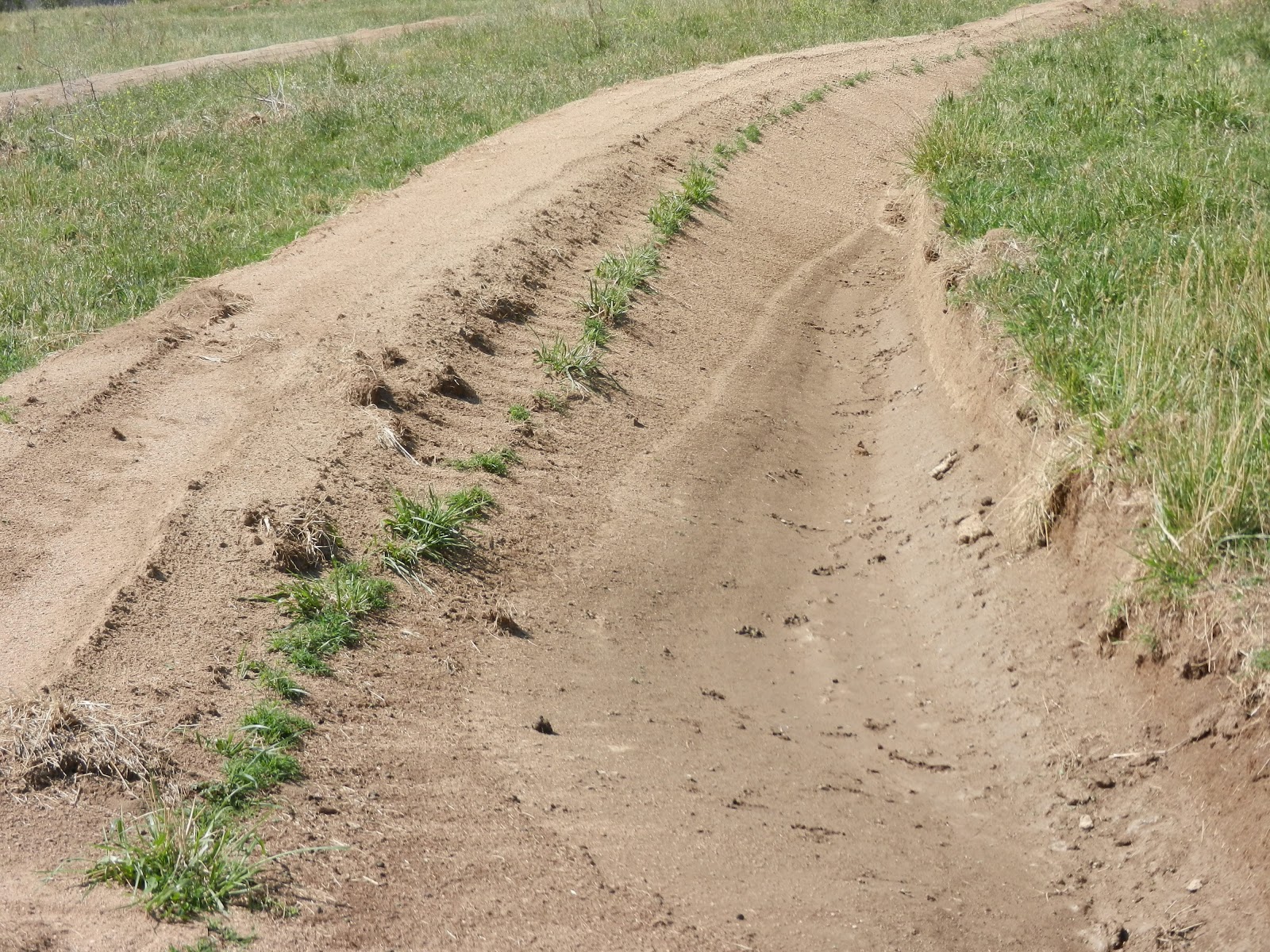
We had a huge amount of rain that eroded the laneway* leaving huge holes and cut outs. Some erosion on the property could literally fit a car in it (unfortunately we do not have photos of that section).
 
We decided that we needed to do something that would stop erosion and also regenerate the land at the same time. We decided on swaling the area, planting it out with primary regeneration flora, including wattles, and a variety of native trees and shrubs, mulching and watering the plants and swales we fenced the area off and left it to do what it does.
 
Below are some before and after images:
 
The swales just having been planted out 2011. (Top section of the laneway).
20130206 Photo of laneway regeneration project today
20130206 a swale with some trees doing pretty well so far
erosion after heavy rains 2011 (Bottom section of the
laneway).
 erosion section after heavy rains 2011 (Bottom section)
The area we swaled and planted out, just after planting 2011
(Bottom section of the laneway)
The same section as above December 2012
(Bottom section of the laneway)


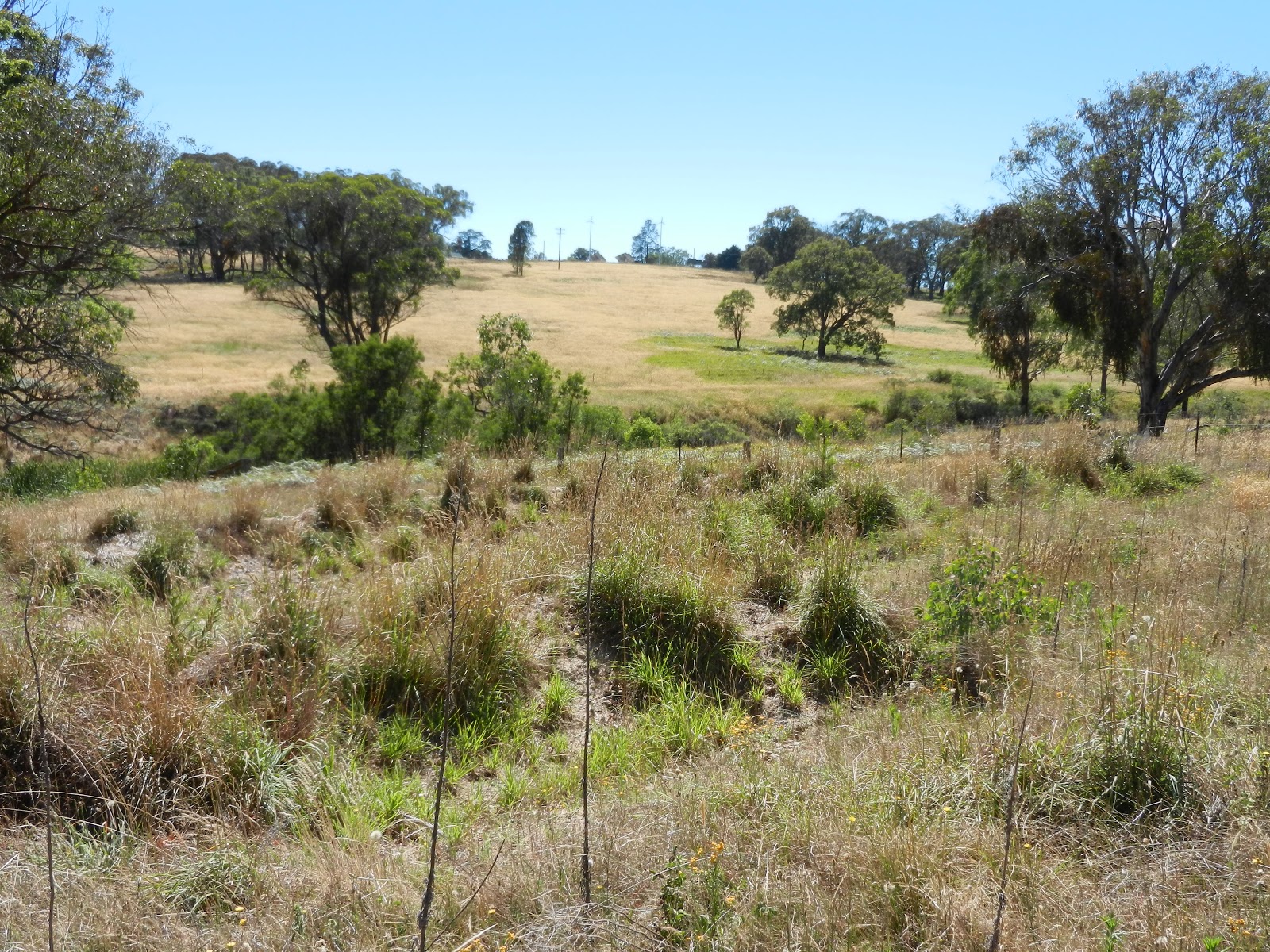
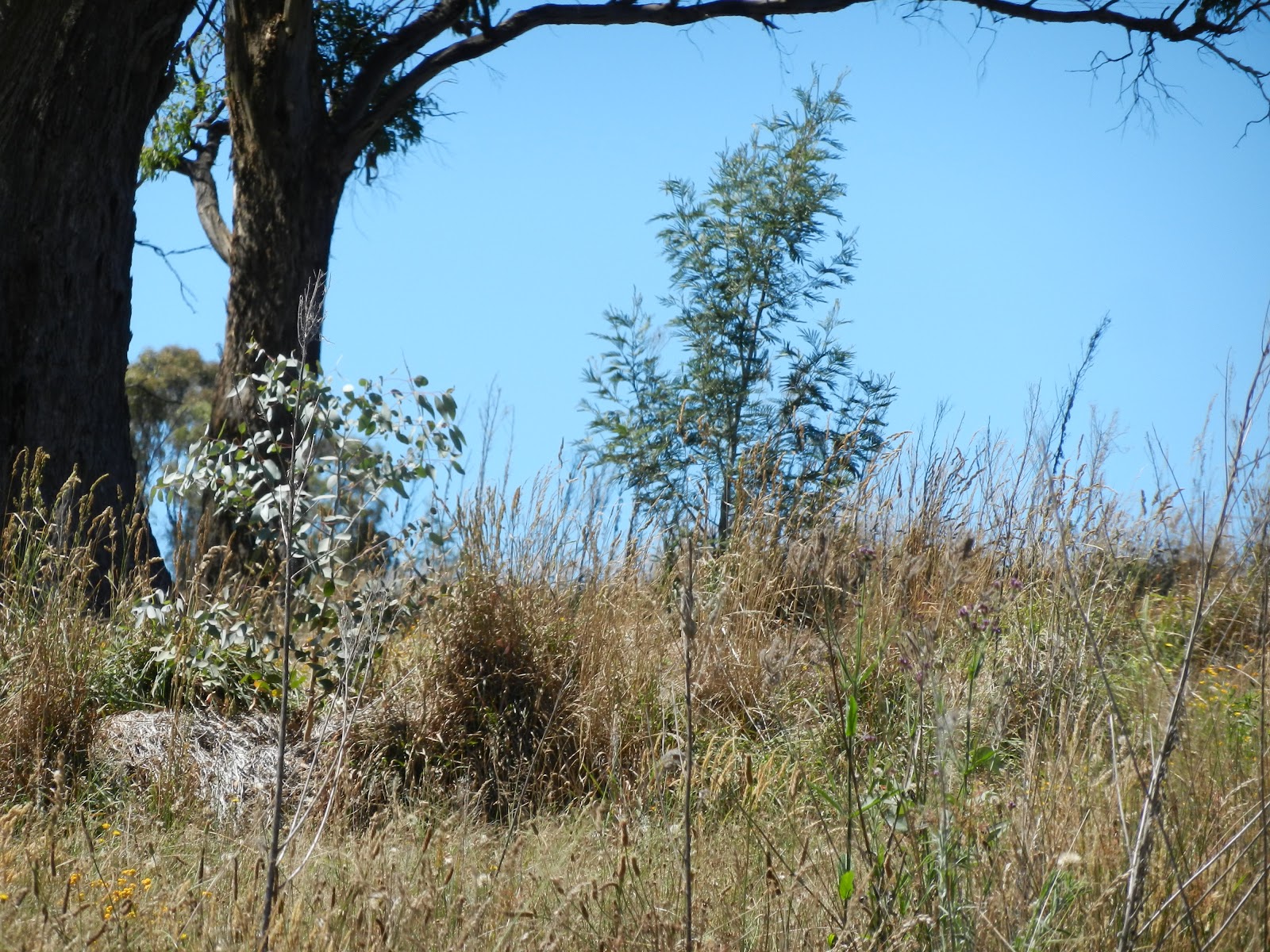
It has been really interesting observing this section of laneway. The trees have grown rapidly and well, there has not been a lot of loss of plants. There are many types of different grasses coming up of their own occurred and they are much taller than on other areas of the property.
 
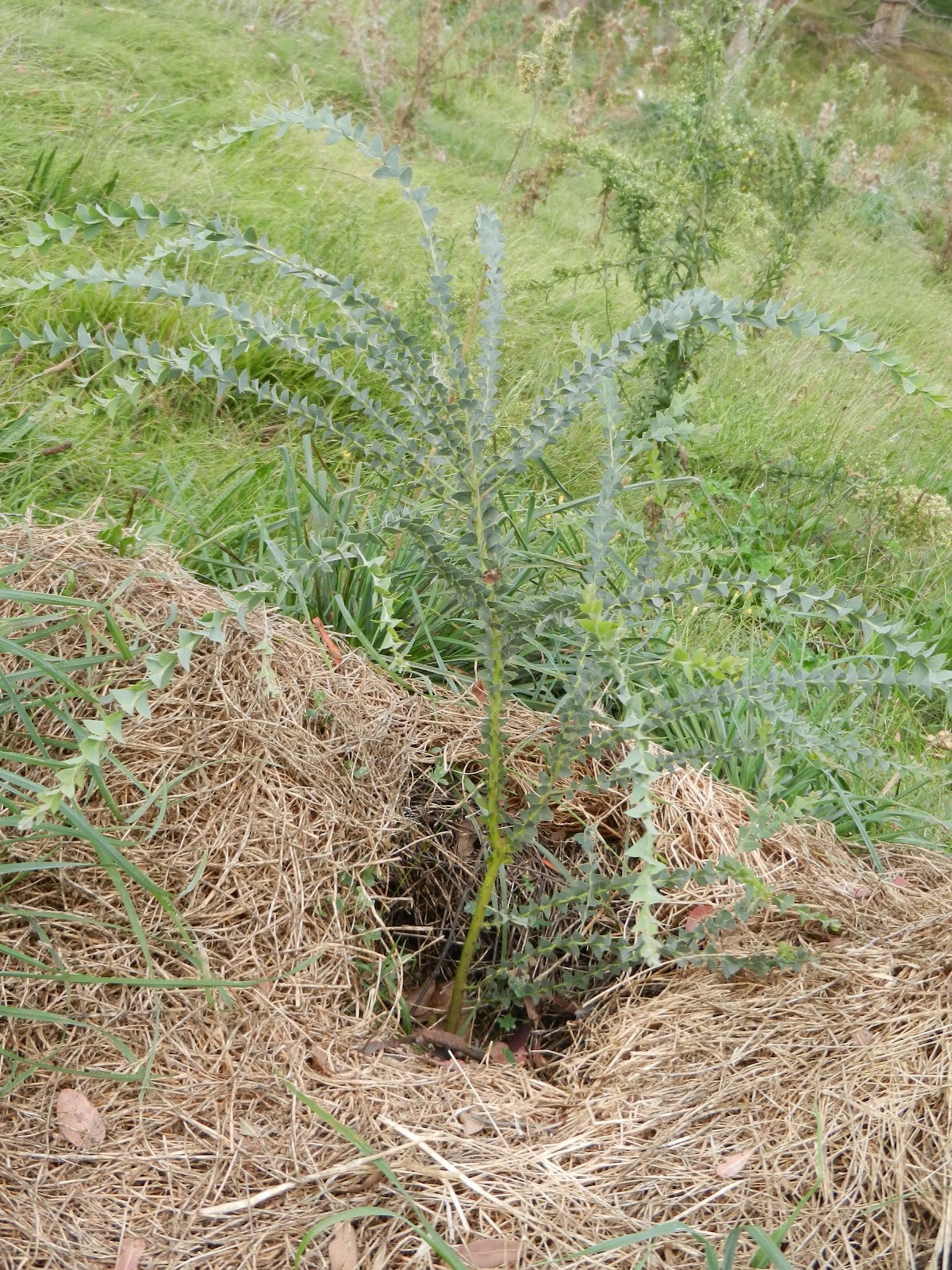
We also observed some interesting links between plants and the people who planted them. In the top section of the laneway we planted a variety of native shrubs and trees. We noticed that the banksias in the top section were all getting eaten by animals. We couldn’t work it out as banksias are spiky and not the usual tree of choice that animals prefer, (they do not have the softest leaves). We were discussing it and found out that the person who had planted many of the trees had a favourite and those were the banksias. We found it interesting that the ‘favourite’ had been attacked and eaten.
 
We had another experience in a different section of the land where a similar thing happened. Many trees were planted and many of them died. It was interesting to observe that all those people who planted out the sections had the feeling when planting that they had to ‘get a job done’, there feelings were based on outcome and ‘get as much done as possible’ rather than taking time and having a desire to love and give to the trees and the land.

*A laneway is a fenced space like a roadway that links up many of the paddocks on the property and is easy for the stock to walk to and from the woolshed.

Creating Loving Eco-Systems – An Introduction

Below is a document put together by AJ/Jesus on ‘Creating Loving Eco-Systems – An Introduction’. It is very useful to read before undertaking any environmental projects at home, or in general. It helped us to at least intellectually understand more about what our souls (you/me) are creating and causing to happen in ‘our’ garden or on the land (both the land that we live on, the country we live in and the how we affect the land the world over, souls are large and global not small and local, smile). It gives information about the systems God creates and we need to replicate in order for us and the environment to be in harmony.

Below is the document as written, it can also be found on the Divine Truth website>Learning Centres>Learning Centre Visit Requirements>Outline or the link below will take you to the original PDF at the same source. There are also audio recordings you can download and listen to on the same webpage.

http://www.divinetruth.com/PDF/Event/2012/20121031%20Creating%20Loving%20Eco-Systems%20-%20An%20Introduction%20(Outline).pdf

Creating Loving Eco-Systems – An Introduction

Introduction
 
Some people are still struggling to love each other 
  • Need to examine the reasons for this 
  • But seem to think they have an easier time loving animals, creatures and the Earth But is that even really true? 
  • How much of our addictions are really present even in our work with the environment?
What is an Eco-System?
 
It is a complete ecological environmental system where: 
  • Each part operates in harmony and balance
  • No single part is dominant or overwhelms another 
  • Each part benefits the whole and assists abundance in the whole 
  •  No single part can properly survive without the other parts
 
What is a Loving System?
 
These are the systems God creates, and we need to replicate where:
  • Human Love & understanding is available to all parts of the system 
  • Humans learn and replicate that God has done 
  • Humans understand how we have destroyed the system & desire to change 
  • Humans understand what emotions within us have contributed to destruction
  • Humans honour the intelligence inbuilt in each organism within the system 
  • No human addictions are supported by the system created
Lesson 1 – Love Effects & Controls The Entire System
 
For anything to flourish Love must be present
  • We must understand how our soul condition is reflected the environment 
  • We must understand that God is always bringing more love into the system 
  • We often resist God’s efforts to bring more love into the system
When our Love is present, the following occurs:
  • All organisms and the entire system itself flourish 
  • There is abundance for every part of the system 
  • The system will be in perfect balance
When our Love is absent or addictive (given only for personal benefit):
 
Aggressive organisms express arrogance to the system when loved addictively 
  • They feel themselves to be superior (due to the attitude of the human) 
  • They attack and destroy the organisms felt (by the human) to be inferior 
  • They demonstrate a reflection of mankind’s dominance
  • E.g. A domestic cat killing animals and birds even though it is well fed
  • E.g. Domestic goats eating everything even when they must have eaten enough 
Aggressive organisms multiply when being attacked
  • They go into hyper-drive with reproduction 
  • They feel competitive and aggressive towards other organisms in the system 
  • They are aware of negative feelings from humans, and respond to survive 
  • E.g. Insects that people want destroyed will feel will increase reproduction 
  • E.g. Insects that people want destroyed will attack people 
  • E.g. Insects will reflect the fear in humans that causes humans to attack
Passive organisms express meekness to the system when loved addictively 
  • They feel themselves to be inferior (due to the attitude of the human) 
  • They are attacked and destroyed by aggressive organisms 
  • They demonstrate a reflection of mankind’s submission and unworthiness
  • E.g. A precious shy marsupial that we “love” will be attacked by our own cat Passive organisms regress and reduce reproduction when being attacked
  • They first attempt to flee the area completely
  • They do not feel “safe” to breed and multiply E.g. A watered (& weeded) garden is all about fear and favouritism. There should be no need to water a garden. If things are created with love and as a complete system – the system will support life without our intervention.
All organisms desire survival, and will adapt to survive
  • An attitude of love does not force adaption through negative events 
  • An attitude of love allows change and growth through positive events 
  • E.g. Organisms without enough to eat will adapt and eat other material 
  • E.g. Organisms without enough of their “normal” diet will change their diet 
  • E.g. Organisms not loved will understand they are under attack from the system 
  • E.g. Organisms that are “loved” will drop their defensive actions
All organisms respond to emotions of fear and anger
 
Fear creates: 
  • An automatic struggle to survive 
  • A system that involves lots of work 
  • A system that is without abundance 
  • Destruction of areas of the environment that we are afraid of 
  • Competition with areas of the environment that we are afraid of
Anger creates: 
  • Everything that fear creates (since anger is the result of suppressing fear) 
  • Aggression within the entire system; a desire to attack and destroy 
  • Destruction of the system through natural events (fire, flood etc)
God is always trying to bring love back into the system
  • Each one of God’s Laws is created in order to expose the condition of love 
  • Each one of God’s Laws has the effect of bringing more love back into the system 
  • Each one of God’s Laws is attempting to correct the human’s unloving condition 
  • If a loving system is left alone by humans, it will always maintain balance 
  • If a loving system is attacked by humans, it will always become more unbalanced
Lesson 2 – The Human Soul Interconnects With The Entire System
 
Humans need to understand that everything around us is connected to us
 
How organisms respond is completely dependant on our own soul condition 
         Soul condition is the sum total of our beliefs, emotions, desires, passions, longings, assumptions, intentions, reasoning etc.
  • Soul condition determines the effectiveness of our effort to restore eco-systems
  • Organisms will work against us if our soul condition is not adjusted
  •  Organisms’ inbuilt instinct will be to expose & correct unloving behaviour in us 
  • Our condition will affect any organism connected to us for any reason
  • E.g. Plants that supply my coffee will be connected to me if I drink coffee 
  • E.g. Plants that supply my sugar will be connected to me if I consume sugar
Our soul condition has a huge bearing on how systems respond
  • Even our observation of a system changes how the system responds 
  • Our environmental choices & decisions are caused by our own condition 
  • Our addictions create unloving actions perpetrated towards the environment 
  • The environment will respond to these unloving addictions to correct them
 
I need to become aware of how I am destroying eco-systems around the world through my soul condition
 
The choices I make to satisfy my own addictions through food, will result in the destruction of eco-systems all around the world
  • E.g. My desire for eating meat (McDonalds hamburgers for example) results in the destruction of the Amazon rainforest in Brazil 
  • It is pointless fixing eco-systems in our direct neighbourhood while at the same time destroying eco-systems in other countries
  • We need to examine more honestly how our demands are satisfied 
  • We need to see the laws of supply and demand in operation 
  • We need to change our demands if we want destruction to be averted
What systems we currently have around us are not indicative of the actual system that God created, or their normal operation
 
We cannot assume the following: 
  • That how organisms currently work is how they would normally work 
  • That how organisms currently act is how they would normally act 
  • That how organisms currently respond is how things normally would respond
We can assume the following: 
  • That our interaction with an organism will change how the organism responds 
  • That our actions have a direct bearing on the evolution of an organism 
  • That each organism has inbuilt intelligence (instinct) 
  • That an entire system will respond to our desires, beliefs and actions 
  • That we cannot assume what is currently present is normal; or what would normally exist if we were not present
E.g. When we look at some land, we cannot assume that what is currently on the land will be what was or would normally be there 
E.g. We cannot assume that current methods of farming are the only way to farm
 
Lesson 3 – Eco-Systems Need 3 (Three) Basics For Survival & Abundance
 
Almost every living thing has three basic requirements for survival (that humans have control over)
  • Water 
  • Food 
  • Shelter 
  • Note: many other things are needed for survival, but most of these are naturally provided through the atmosphere, and are not directly under the control of individual humans.
If one of these elements are missing, abundance is not possible
  • Living organisms go into hibernation, waiting for times of abundance 
  • Living organisms can survive many years, some even thousands of years in this state
  • The system remains “pregnant” with life, but only as a possibility
Almost every living thing multiplies with abundance
 
The proximity and abundance of these three basic things will effect how prolific and healthy the living thing is; i.e. the easier the access, the better for the organism 
E.g. If food, water, shelter are near each other, reproduction results
 
Almost every living thing struggles with scarcity
 
Any living thing that doesn’t have sufficient amounts struggles to survive Much more “work” is required With more “work” comes less “free” time, time for pleasure E.g. If food, water, shelter are far from each other, reproduction is inhibited E.g. If remove just a single requirement, the organism will struggle to survive
 
We must not judge the system as what we currently have
  • Huge amounts of destruction have occurred to the earth over 1000’s of years 
  • We cannot state that what we now have is “normal” 
  • Very few humans in the past 4,000 years have actually personally seen “normal”
Lesson 4 – All Living Organisms Have Inbuilt Intelligence
 
Anything living that God has created has its own intelligence
  • Intelligence can be individual (e.g. mammal) or collective (e.g. insects) 
  • Each organism knows how to create abundance for its own survival 
  • If man leaves each organism alone, it will create its own abundance in time 
  • Man does not see nor acknowledge the intelligence in the system 
  • Man can either speed up or slow down the organism’s ability to create for itself 
  • The intelligence already placed in the system will correct the environment 
  • All we need do is learn how to support the system and use the intelligence 
  • When we have millions of different creatures all working for us, our environment will change rapidly and flourish without huge amounts of hard work
All organisms are geared to assist the life-cycle of living systems
  • All processes & creatures turn dead things into the basis of life for more living things
  • All dead things form the foundation for living things 
  • Man tries to prevent this from happening 
  • E.g. We design a home out of “dead” matter & react angrily when living things attack
  • E.g. We poison & destroy living intelligent creatures that are telling us truths
  • E.g. We kill the organisms that are responding in love 
  • E.g. We must work harder to create systems without intelligence
To create loving eco-systems we must understand the intelligence
  • Most soil based creatures know more than we do about how to fix the soil 
  • Most water based organisms know more than we do about how to fix the water 
  • Most food based organisms know more than about their own abundance than we do
  • Most systems are struggling against man’s desires 
  • This also means that most humans feel a sense of struggle against the system 
  • When we understand and love, these living things work for us repairing the system
Once we recognise the intelligence, we will understand the support it brings
  • Mankind can be fully supported by the entire system without much work at all
  • Initially correcting the unbalanced systems will require work 
  • Once imbalance is corrected, then work will not be required 
  • Each system will be fully self-supporting and self-maintaining
  • Man will be free to play, rather than eke out an existence
Lesson 5 – Understand The Role Of Organisms In System Recovery
 
Primary organisms in system recovery are those with collective consciousness
  • Understanding the role of recovery organisms is essential to eco-systems 
  • Most primary organisms have collective rather than individual consciousness 
  • Most of these creatures do not have a central nervous system 
  • Most of these creatures do not have a spirit body 

These include:

Bacteria, fungus, microbes, soil-based creatures (worms, ants, white ants etc) Plants that prepare the environment (weeds, trees seemingly without “purpose”) Above ground and airborne creatures (insects, spiders, etc)
 
Secondary organisms in system recovery are those with individual consciousness
  • Without assistance from recovery organisms, no secondary organisms can survive
  • Humans cannot survive without the primary recovery organisms
  • Other creatures with individual intelligence also cannot survive 
  • Secondary organisms can only survive without human intervention once there is abundance created by the primary recovery organisms 
  • E.g. Introducing larger creatures to an environment without having properly prepared the environment will result in these larger creatures either dying, subsisting, or being dependant on human intervention for survival (larger creatures meaning any creature larger than the biggest earth or air based primary recovery organism) 
  • E.g. Introducing trees and other plant life that requires specific soil and environment elements, without also having a system that supports their existence, will result in constant maintenance being required by humans
Lesson 6 – Understand The Basics Of Creating A Healthy Eco-System
 
All parts of the system must be loved equally
  • Unless we love & care for all parts of the system, the system will become unbalanced
  • This requires changing our heart felt attitudes towards all parts of the system 
  • This is particularly the case with parts of the system that we view as “pests” If we love the system equally, each part of the system will work “hard” for us

Life is not created in the soil by adding dead material

  • Dead material is the food of living creatures that create life in the soil 
  • Dead material is essential, because it is a part of the support structure 
  • But we must understand that its role is to support life of the living creatures 
  • Dead material that does not support life will finish up taking from the system
  • E.g. Adding fertiliser only has long term benefit if it supports living creatures, adding fertiliser every year without supporting living creatures creates a condition where more and more fertiliser is required for the same result
Don’t worry about correcting deficiencies in the soil
  • Intelligence IN THE SYSTEM will correct the soil 
  • It will be faster to create the living systems than trying to correct the dead system
  • Anything else will just create incessant work for us
Systems must be created to support primary recovery living creatures
  • These creatures will turn dead material into material that can support all life 
  • This creates a system that supports all creatures and animals, from aphids to lady bugs, ants to marsupials, grasses to trees, birds to large animals 
  • When creating and supporting systems, don’t start with the plants; start with attracting the creatures by providing them with dead material (food), water & shelter
  •       Even in a desert it is possible (start with shelter, add water collection, then food) 
  •       If you don’t have soil or air based primary recovery organisms, then create the environment to attract and support them, then transport them if you have to
We have the potential to have an environment where seeding and fruiting occurs all year round
 
This doesn’t happen now for a number of reasons 
  • Fear that drives selfish ‘taking’ attitudes from our environment 
  • Denuding of the environment has caused changes in the climate, seasons, and a lack moisture and warmth retained in or near the earth 
  • Systems can only work when there is abundance, which is generally seasonal
 
Lesson 7 – Understand & Develop Techniques For Recovery
 
Techniques include:
  • Water flow and storage based contouring 
  • Water management and collection 
  • Water health, prevention of water stagnation 
  • Shelter systems for primary recovery organisms 
  • Begin where such systems already are naturally starting 
  • Create locations of high fertility, either in or on top of the soil 
  • Understand water and nutrient migration (elevation and flow speed) 
  • Do not destroy systems that have already been started naturally
  • Do not burn off; use the material for the creation of systems 
  • Focus on watering, feeding & sheltering the system first, then feeding yourself 
  • Focus on a NO MAINTENANCE WORK system; self-supporting 
  • Most techniques can be scaled up or down according to area size
Climate considerations include:
 
Cold Climate 
  • Generating heat and warmth is a primary part of creating shelter 
  • Use rocks, decaying matter; any material that will generate heat naturally 
  • Usually have plenty of water, but not all year around (due to ice, snow dry conditions)
  • Manage and use the water for winter (need warm areas that do not freeze) 
  • Allow water to flow during summer (do not want marshy conditions generally)
Hot Climate 
  • Remember that shade and the ground provide shelter 
  • Create conditions were organisms can retain moisture 
  • Collect the water and retain it when it is available 
  • Stop evaporation and prevent soil based distribution of water 
  • Create contours and swales that collect and retain moisture 
  • Initially plant plants that survive in harsh low water based conditions 
  • Plant weeds that are naturally growing in the area
Tropical vs Temperate Systems 
  • Obviously different conditions and locations require different methods 
  • Water, food and shelter is abundant at different times in these different systems
  • Create systems that provide a year round solution to abundance of the three basic elements (water, food and shelter)
Creating Micro-Climates
  • Contours 
  • Swales 
  • Fertility locations (holes and mounds) 
  • Holes 
  • Mounds 
  • Ponds 
  • Shelters
Sloping Land vs. Flat Land
  • Use the slope of the land to maintain the system 
  • On flat land, the systems will need to have a completely different design
Conclusion
 
Obviously, this series of seminars are just an introduction to the subject We could talk for many hours about the different techniques Learning Centre projects will now focus on these different techniques Remember this is about Loving ALL of the parts of the system
 
Key points
  • Bring love for all elements into the system through actions & changes in soul condition 
  • Understand how the human condition (beliefs, emotions, demands etc) dominate the interconnectivity between systems and their effectiveness 
  • Understand everything needs food, water and shelter to survive
  • Understand every living organism has inbuilt intelligence that can be utilised to recover & maintain the system 
  • Focus on supporting firstly the key recovery organisms in the system Use techniques that suit the environment, climate, location, elevation and topography
 
Thank you to AJ and Mary and the Divine Truth Website for this information.

‘Summerfest 2012 Project’

We recently held ‘Summerfest’, a week long project that included different projects with the intention that those who came could learn techniques based on love that are logical and beautiful* that are applicable to their backyards or acreage. It was a project with lots of different learning experiences so that those who attended and volunteered their time could leave with skills and knowledge on how to do what they learned at home and teach it to others. Below is a summary and thank you to those who volunteered and contributed their time, expertise and energy to these projects.

The week of the ‘Summerfest 2012 Project’ – 28th November to 3rd of December 2012, held at Kyabra Station (Kyabra Learning Centre, Kentucky, NSW), was a great week full of various fun filled activities. 
 
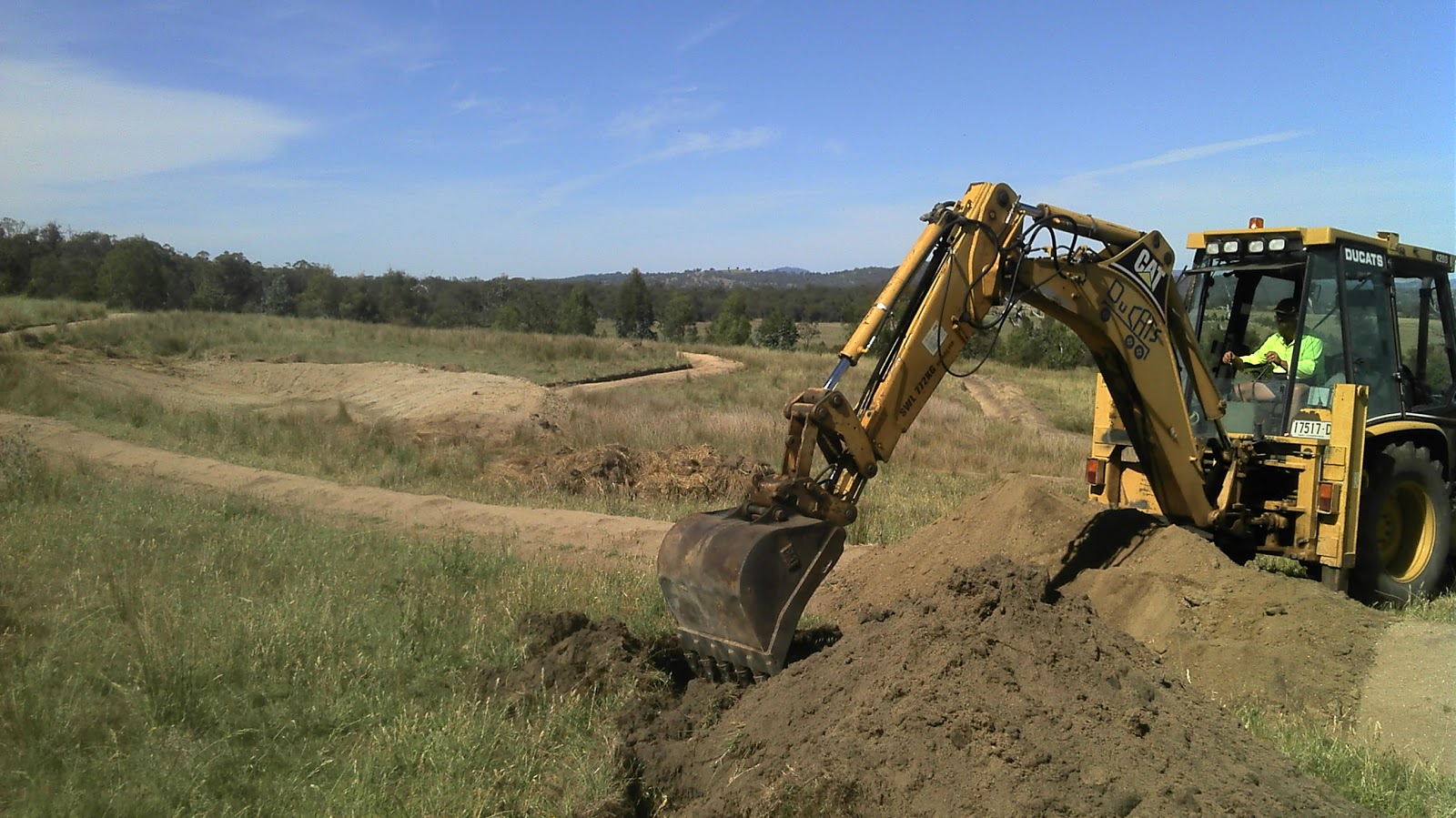
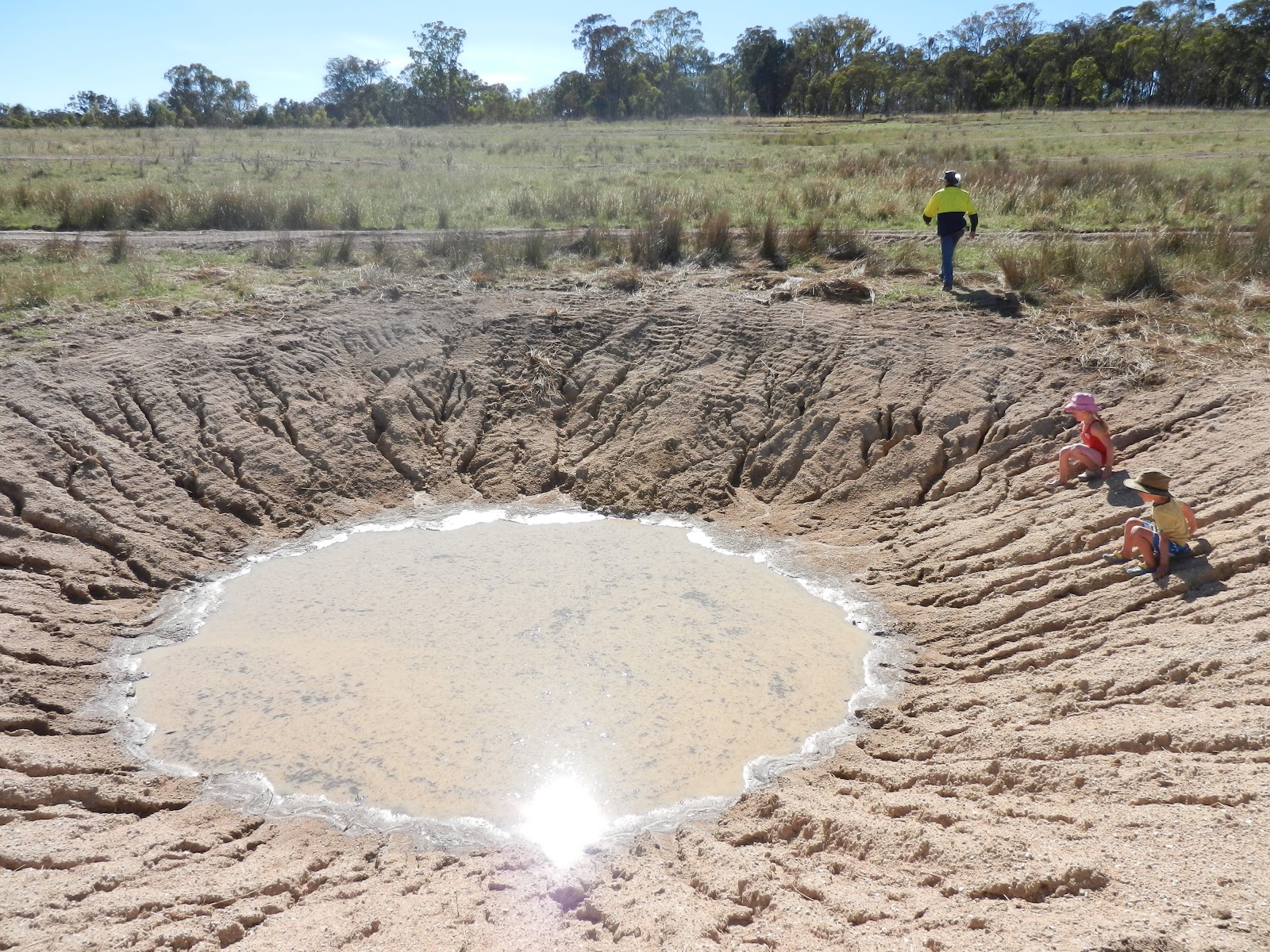
We began and ended with a focus on large scale soil improvement and water management, demonstrating methods using contours and ponds to redirect and retain water, building living eco systems to provide fertility and regenerate soil, and seeding of grasses and re generation plants to prevent soil erosion. This project took longer than expected with some of the pond walls needing adjustments to hold water properly.

There is still some work to be done in this area to complete the project but a lot of headway was made and we are so grateful for all volunteers time in beginning the project.
 
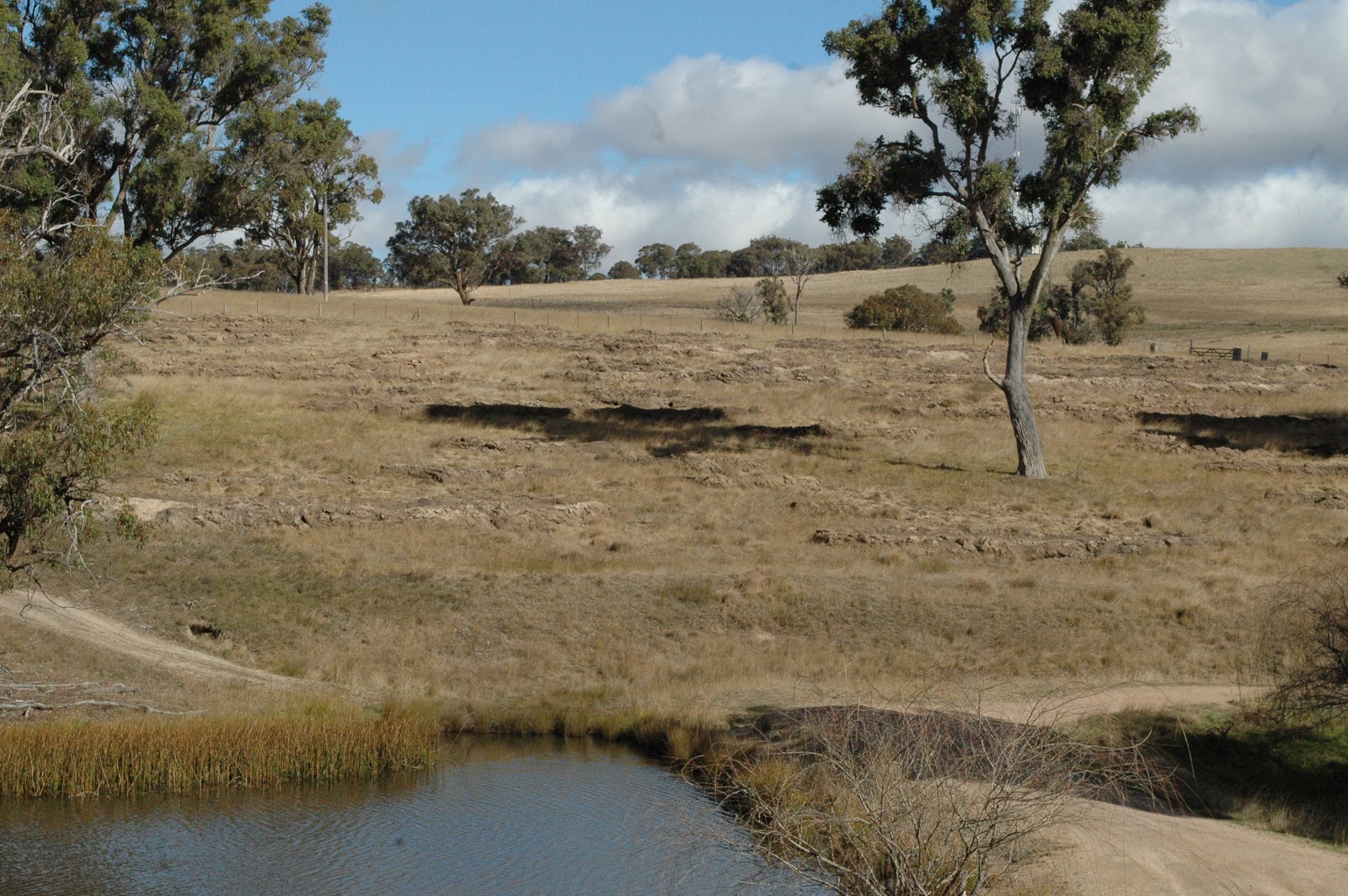
the site – Standbye Paddock
Alternate View of Standbye Paddock
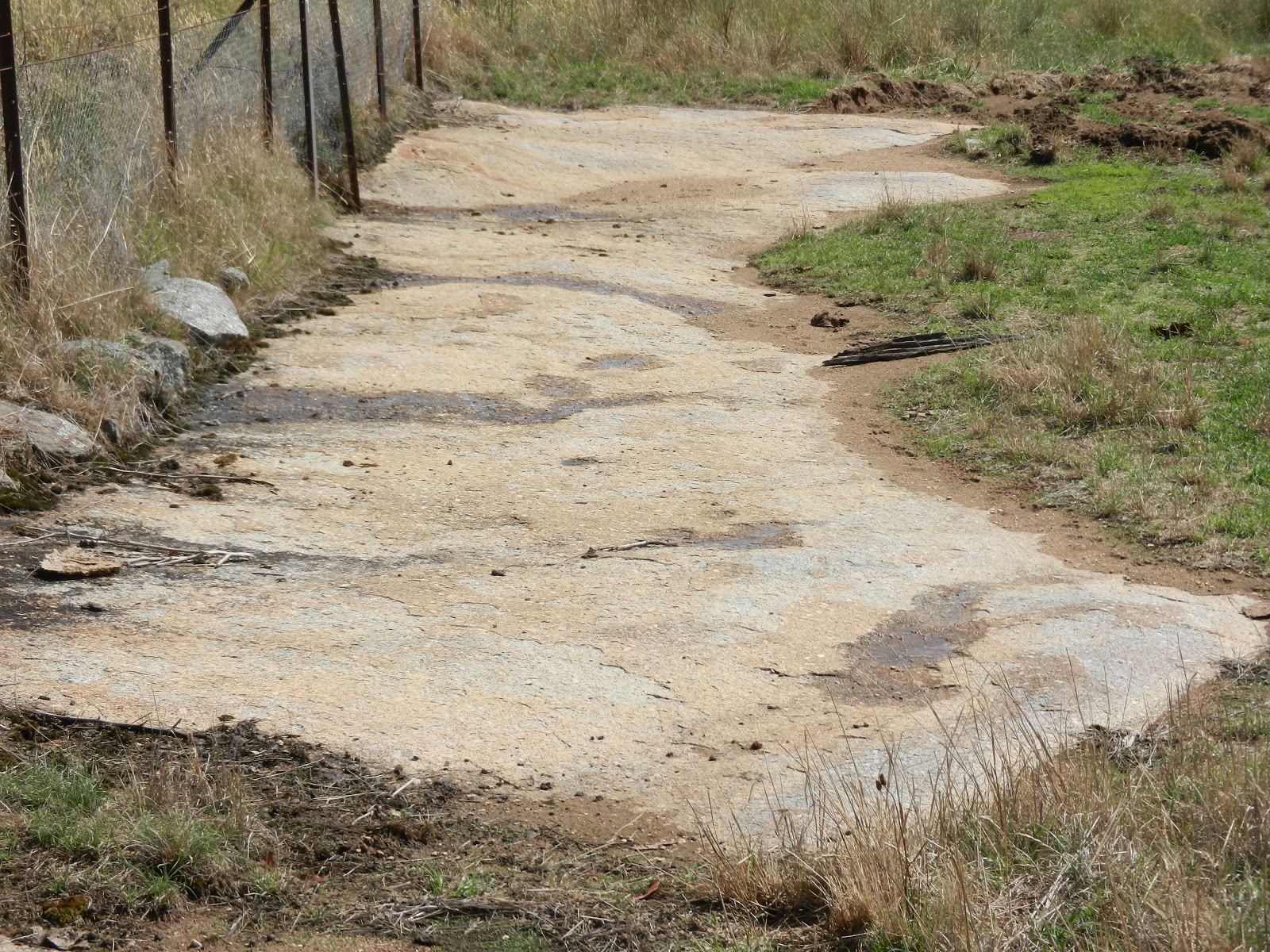
Bedrock the beginnings of  erosion at the top of the paddock
Alternate view of bedrock erosion
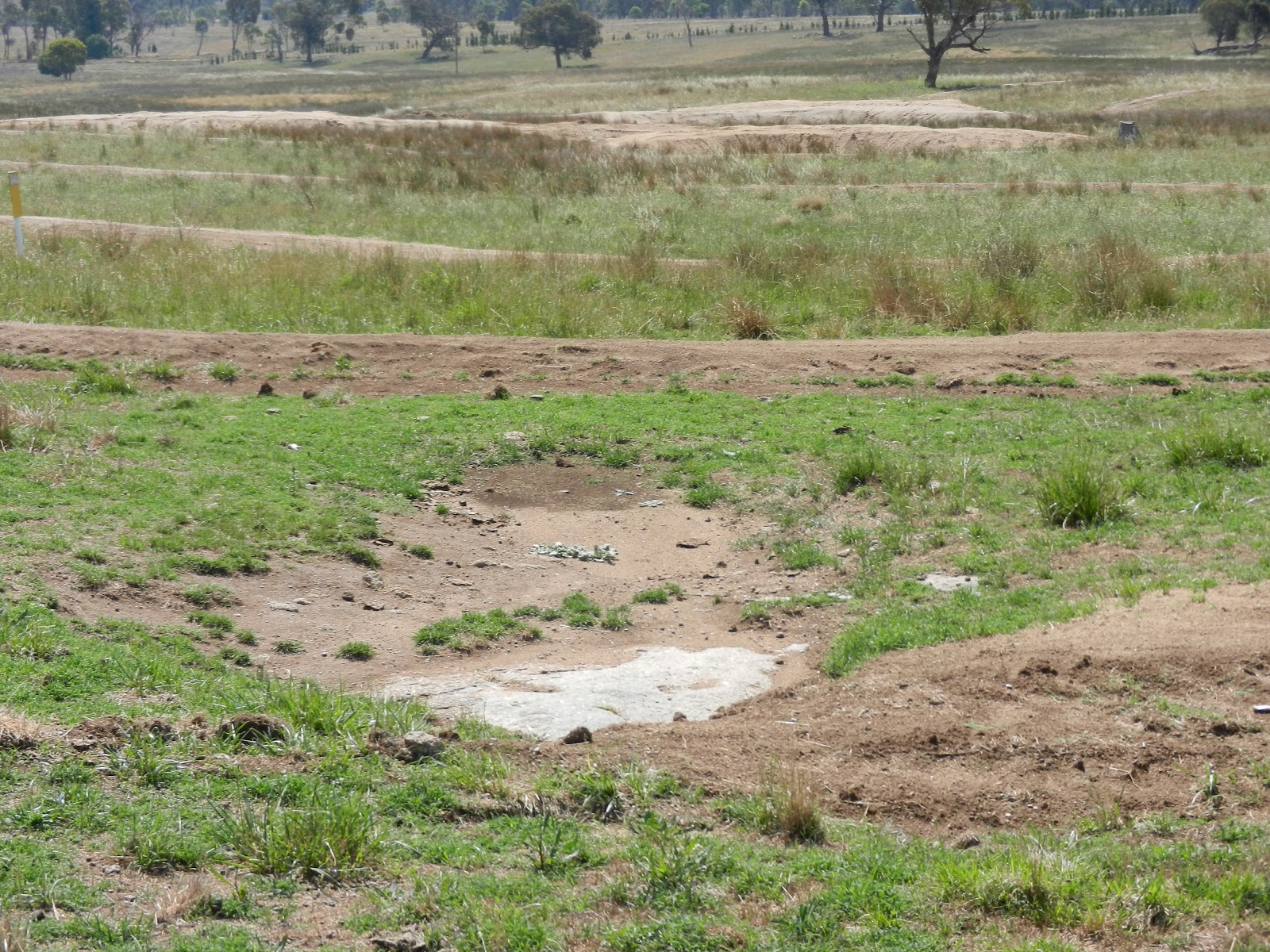
Erosion, contours, ponds


Site for contour planting, ponding and living fertility systems:
Contour
Close up of coutour
You can see where the water held and was slowed down
in a shower we had pre-seeding the contour
Harrowing hand planted seeding on the
contours.
Contours at Site (Standbye Paddock):
Digging the Fertility pits
Living Fertility System hole on a contour

The various materials and ‘food’ for the living fertility systems – use what you
have on hand and have an abundance of. We are wanting to create systems
that are self supporting and that can be done with low cost using what is
available.
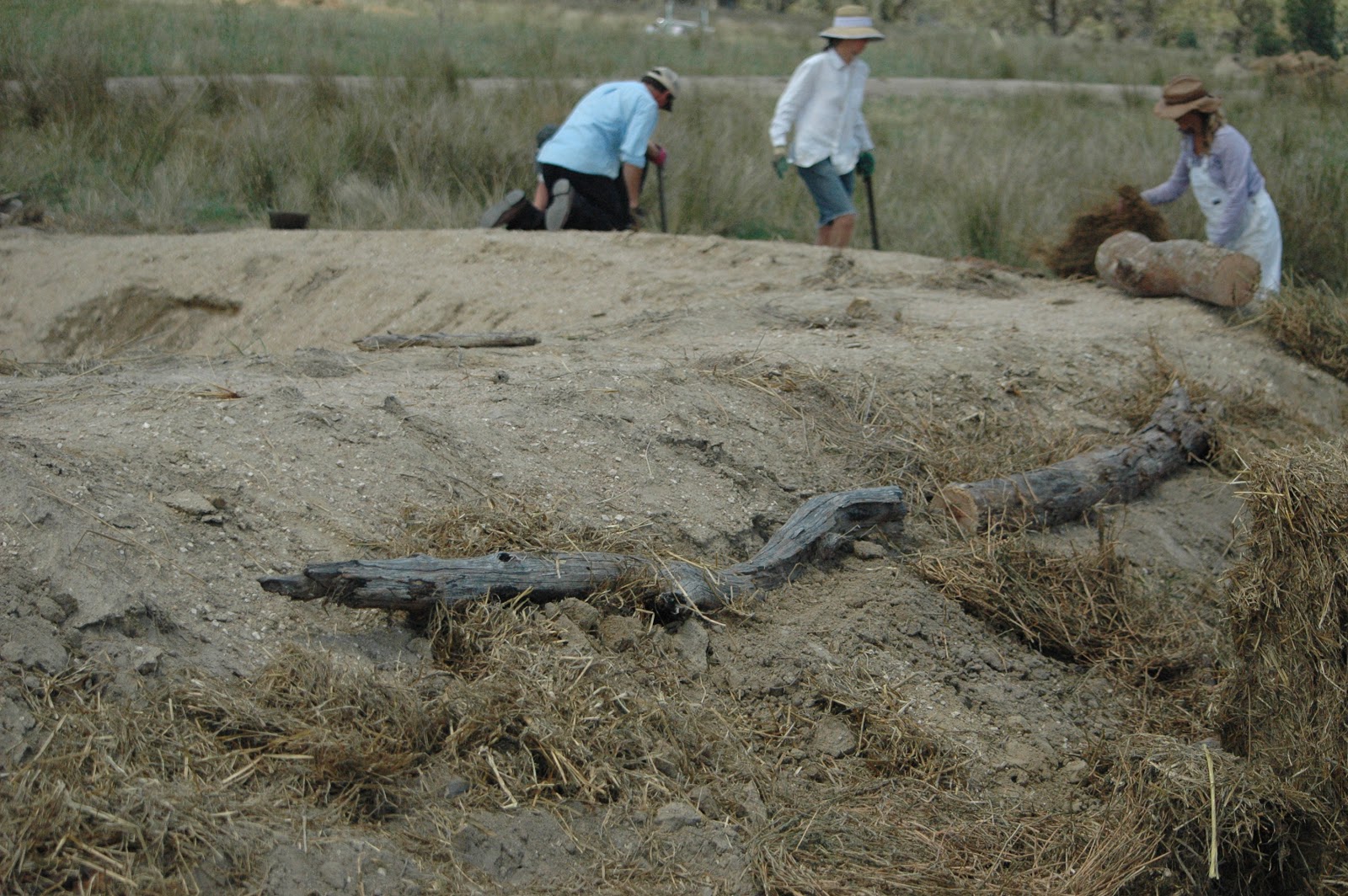
Filling up the Fertility pit
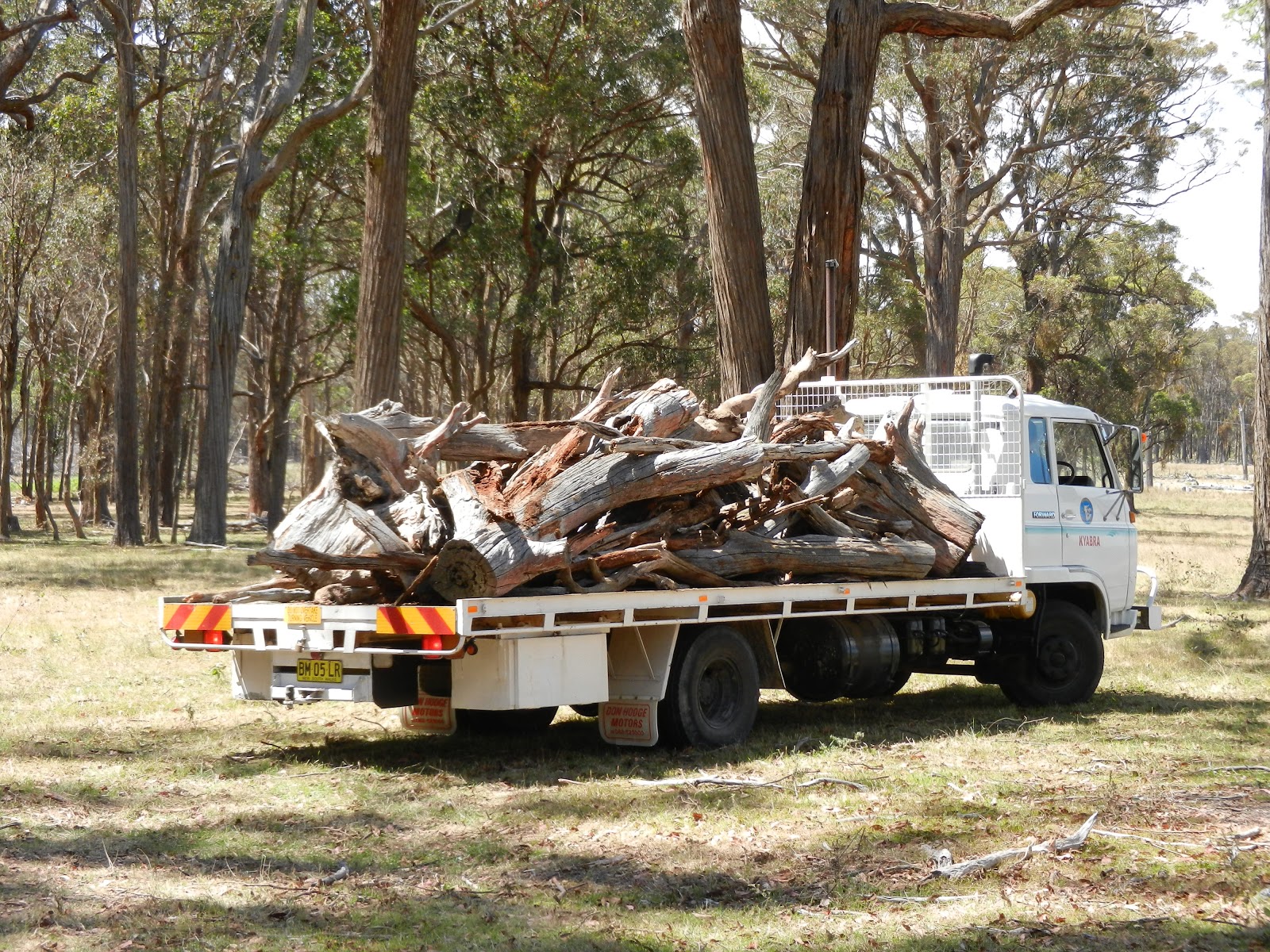
Tractor moving ‘dead matter’ into place
An almost finished Living System – needs some more hay and
matter around the logs so they will break down faster and encourage life
to live there feeling protected and ‘safe’.
Fertility pit complete
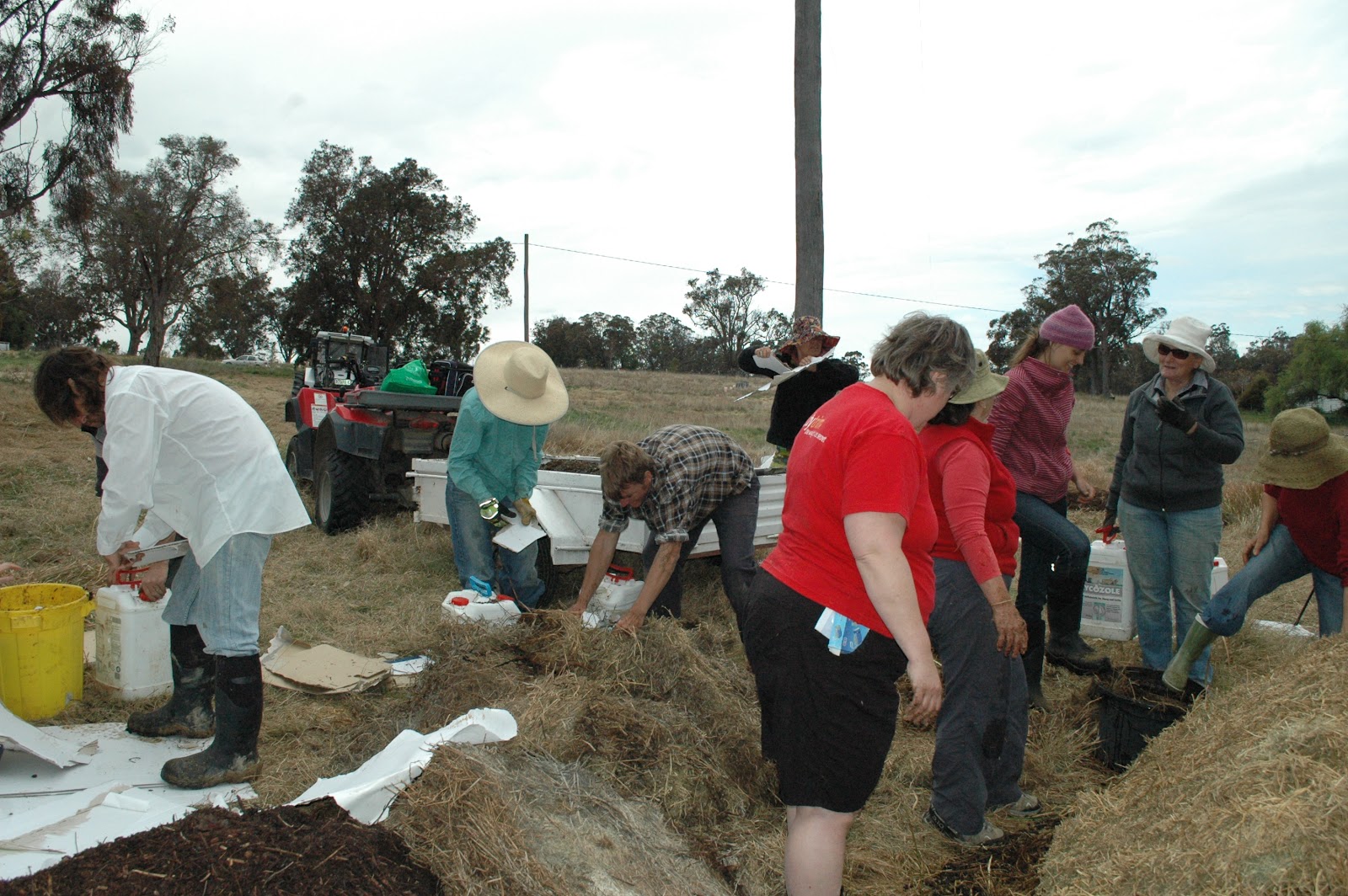
Volunteers working at a Living System

Standbye paddock Site showing ponds:

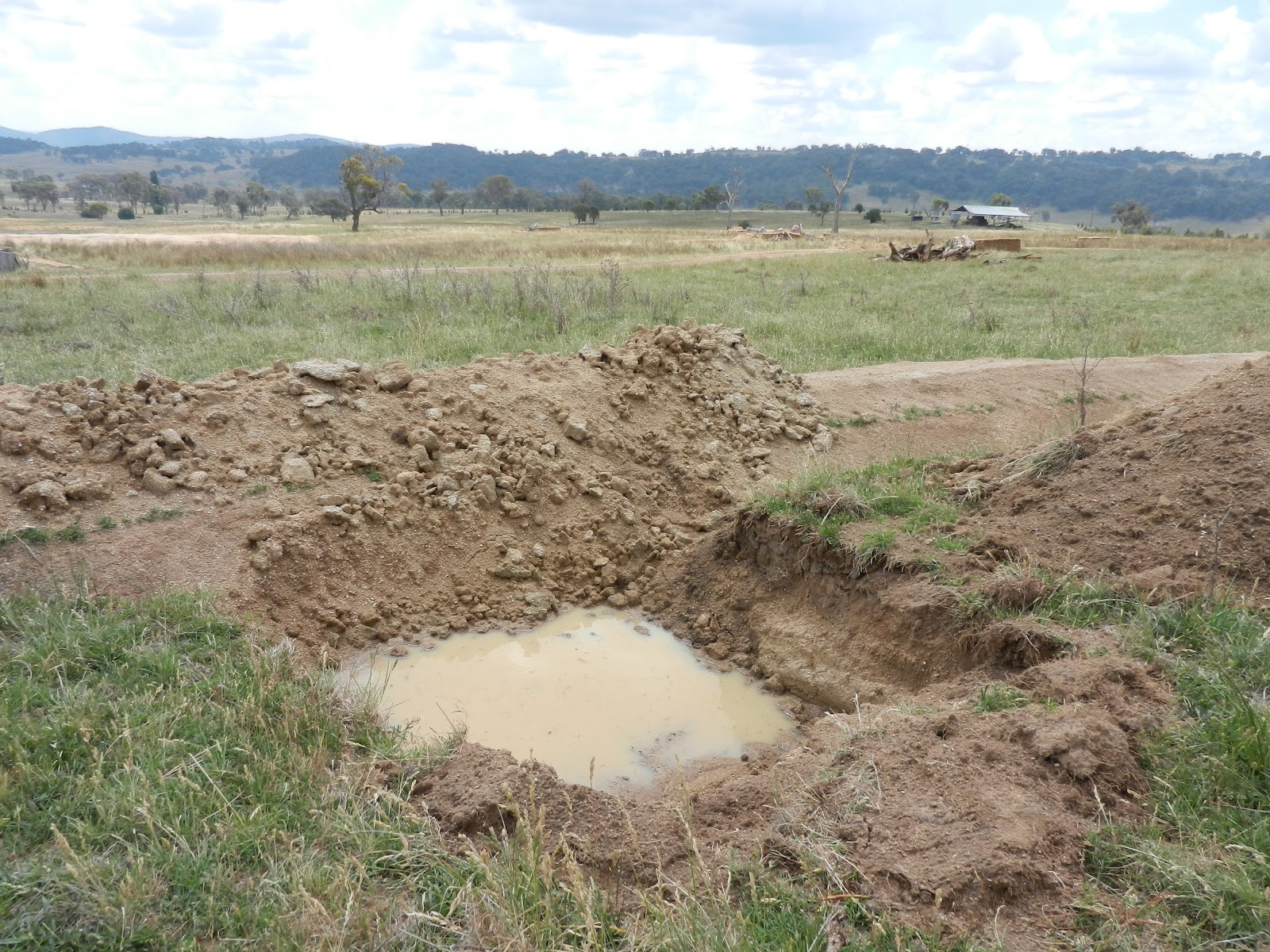
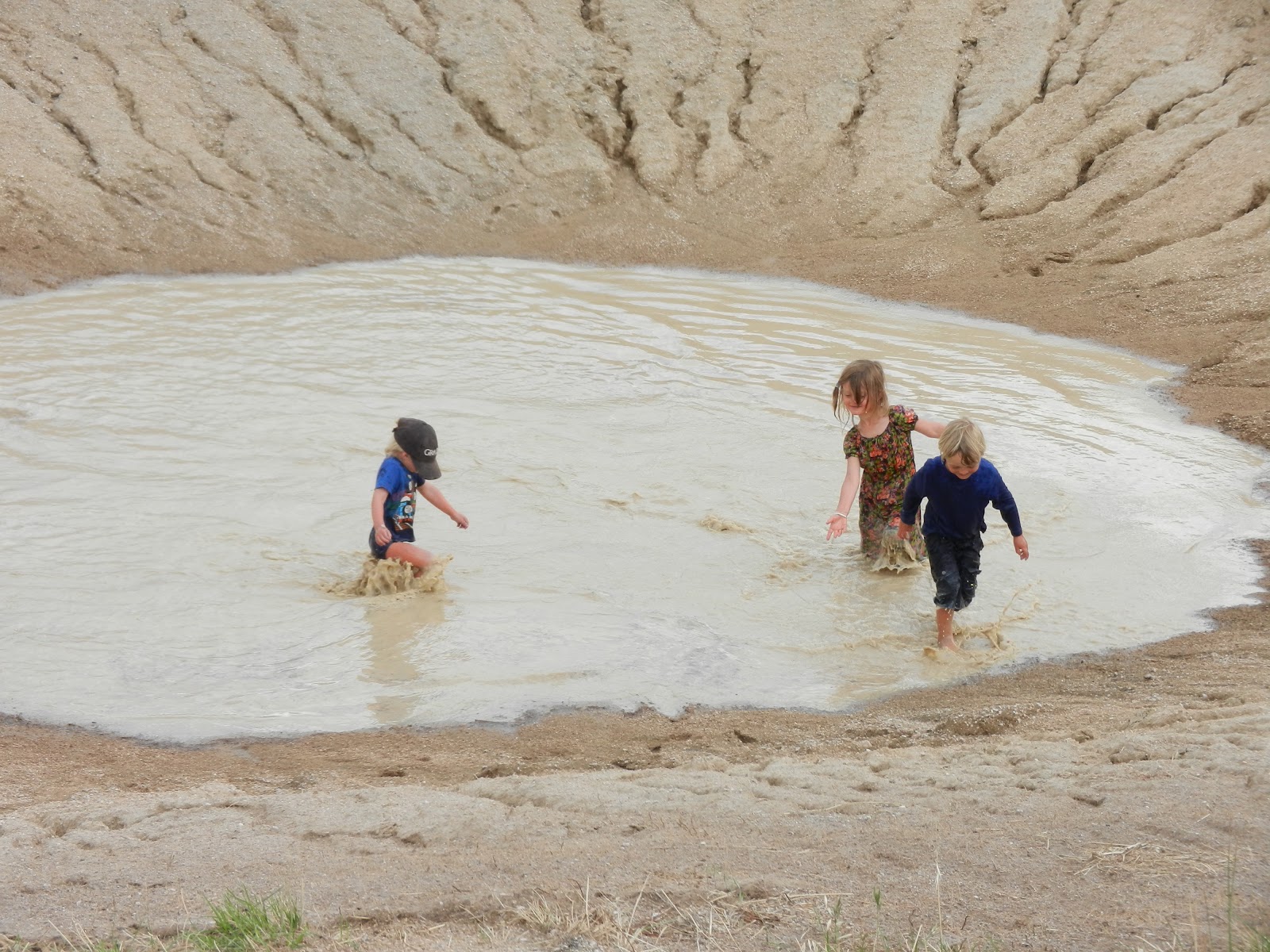
Just dug pond
After a rain. The soil here as you can see in the background is prone to heavy
erosion after rain. The soil is light and fly-away- when exposed.
Working on the bank of one of the ponds. Creating a dam wall to prevent
erosion and cover as much bare soil as possible. (Begin from the bottom up
when creating a dam wall).
 Harrowing the dam wall
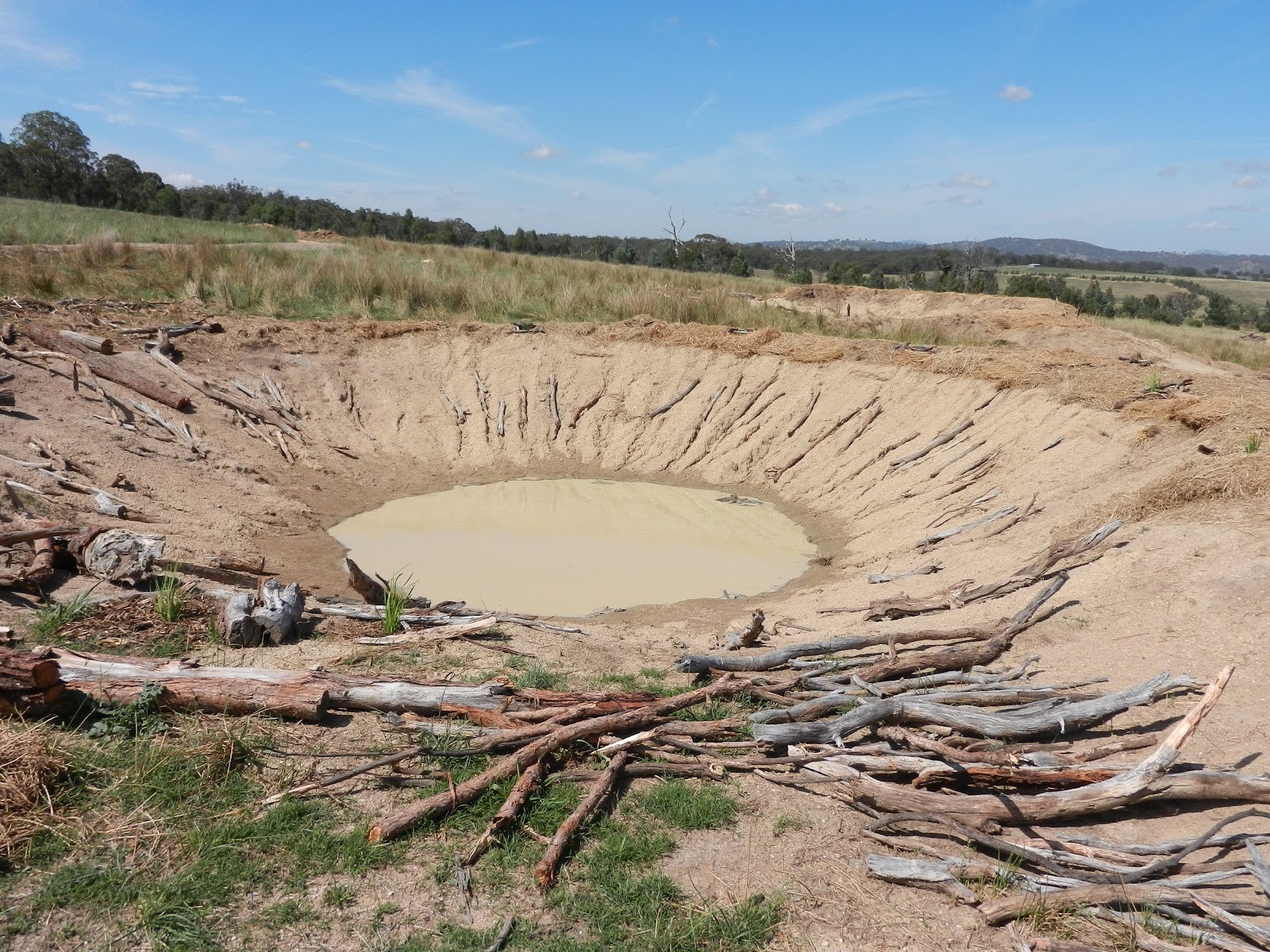
Adding sticks into erosion cracks and at overflow to manage and
slow down water.
Lomandra grasses planted either side of logs – logs
purpose to slow down water flow.
Dam bank complete
Other projects during the week consisted of tending to the swales planted out last year and filling them with gathered matter to transform them into living systems in order to create fertility and improve soil conditions.
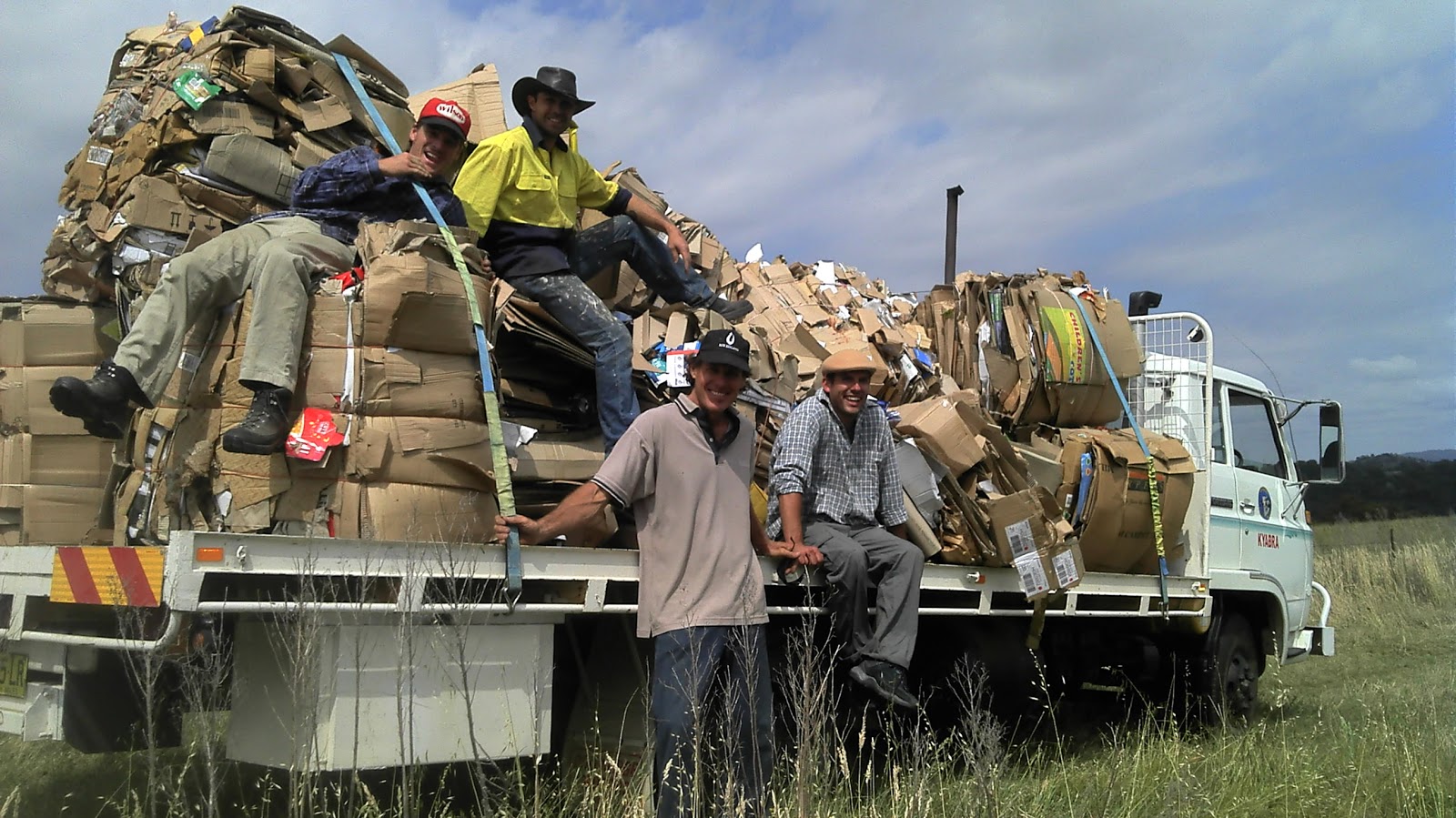
Our many thanks to everyone who was on the ‘food’ team for all the living systems spending your days carrying and carting dead wood matter and treading lightly to place it in an already re-generating area. Thank you for your time and care  to disturb as little as possible the new plants and creatures that have been moving in over the last year. Thanks also to our neighbors and Bunnings for supplying much of the ‘dead’matter used to feed the living systems.

‘Food’ for the Living Systems – Thanks Guys for your help pre – summerfest!
More ‘food’ for the systems
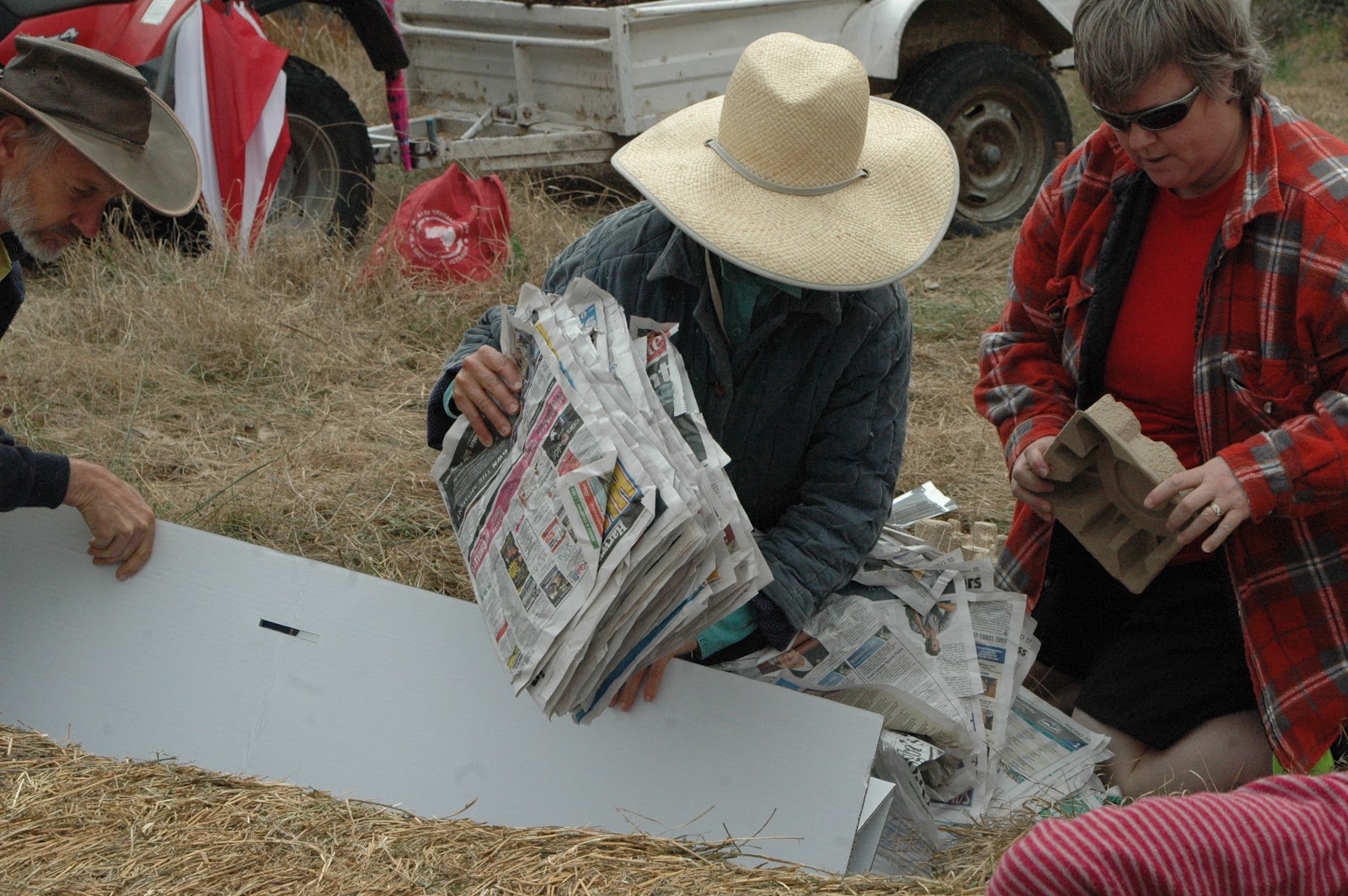
shredding paper for ‘food’ for the living systems and
getting the worms going.
shredded cardboard and paper
Other Projects:

Waterless home Gardening project: demonstrating several techniques including fibonacci system to maximize sun and water usage of any area, designing water flow in your garden, techniques to minimize or completely remove the need for watering, mixed planting incorporating natives both flowering and mulching, fruit trees and vegetables. (More detailed information on the Waterless Garden can be found in the blog post titled the same).

Waterless garden before

fibonacci spiral marked out
volunteers creating various systems in the garden
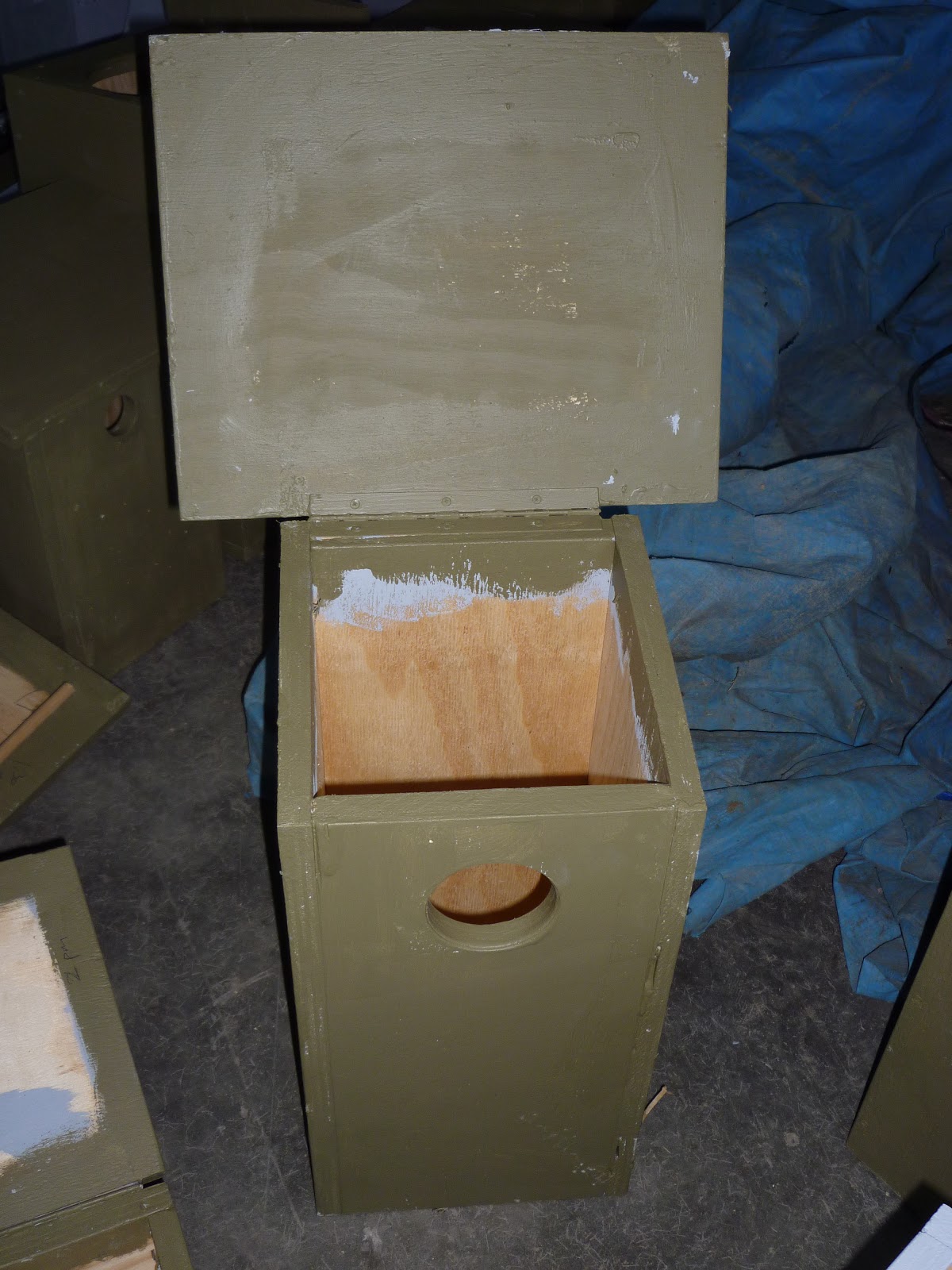
Nature box project: constructing from flat packed pre made kits, painting and positioning boxes for animals and birds according to their particular needs, providing shelter close to food and water. Scouting for suitable locations and some tree climbing to place boxes.

Pre packaged nature boxes, thank you to everyone who made these for us
in Queesland. We are so grateful for all your time and efforts!
Constructed from pre- packaging
eco painting in process


Nature box in place up a tree
‘Reptile Heaven project’: Reptiles are often forgotten or even shunned members of vital ecosystems. This activity focused on providing habitat for reptiles by placing shelter, food and water in close proximity, providing safe transit zones. We utilized above ground living systems to incorporate suitable living shelters and abundant insect life. We also planted various native shrubs, legumes and grasses for protection and mulching. There have already been an increase in numbers of lizards and frogs into the area. 

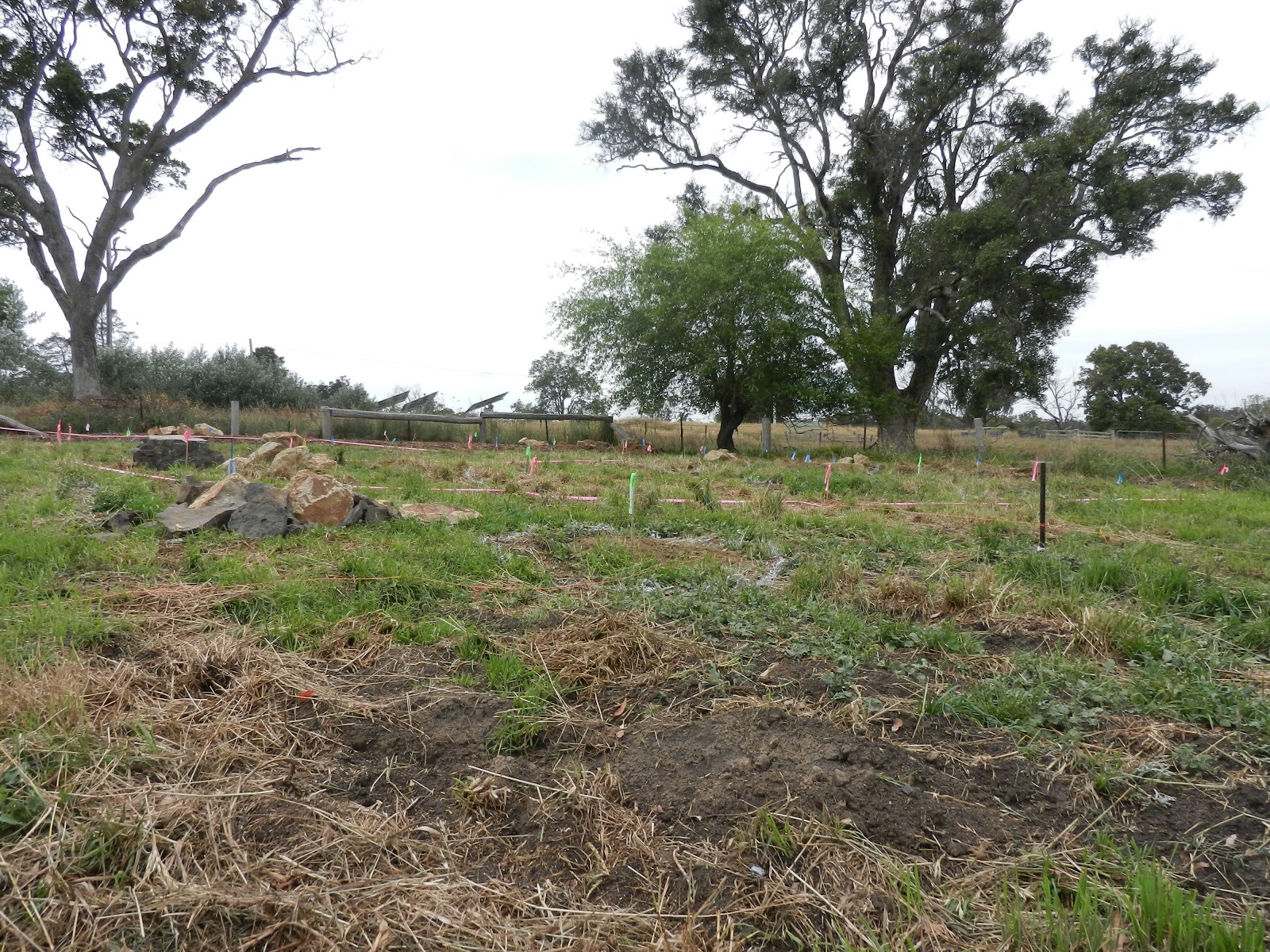
Reptile Heaven ‘before’ – looking up the hill
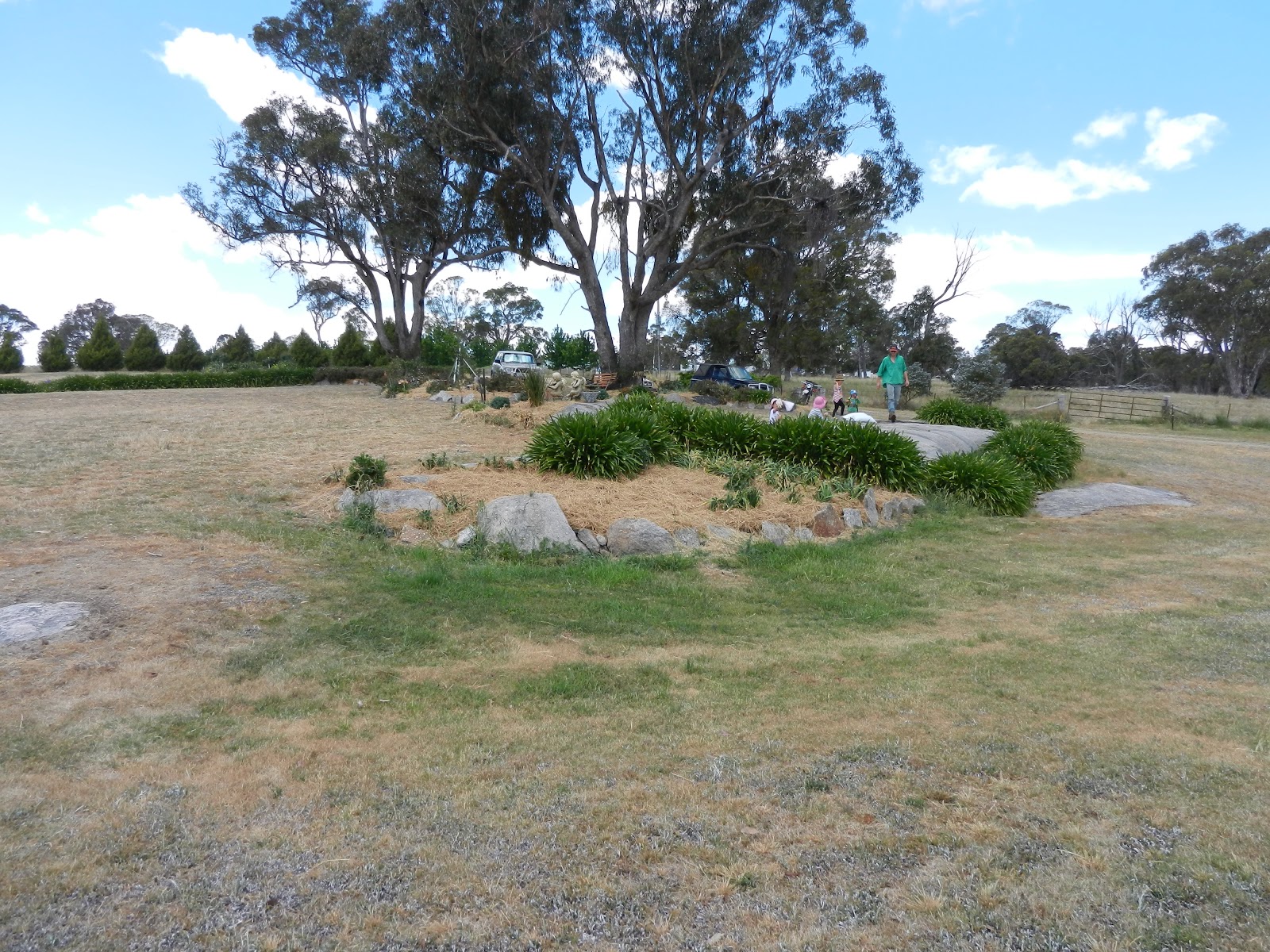
Reptile Heaven ‘after’ – looking up hill


Reptile Heaven ‘after’ looking down the hill
Reptile Heaven in progress

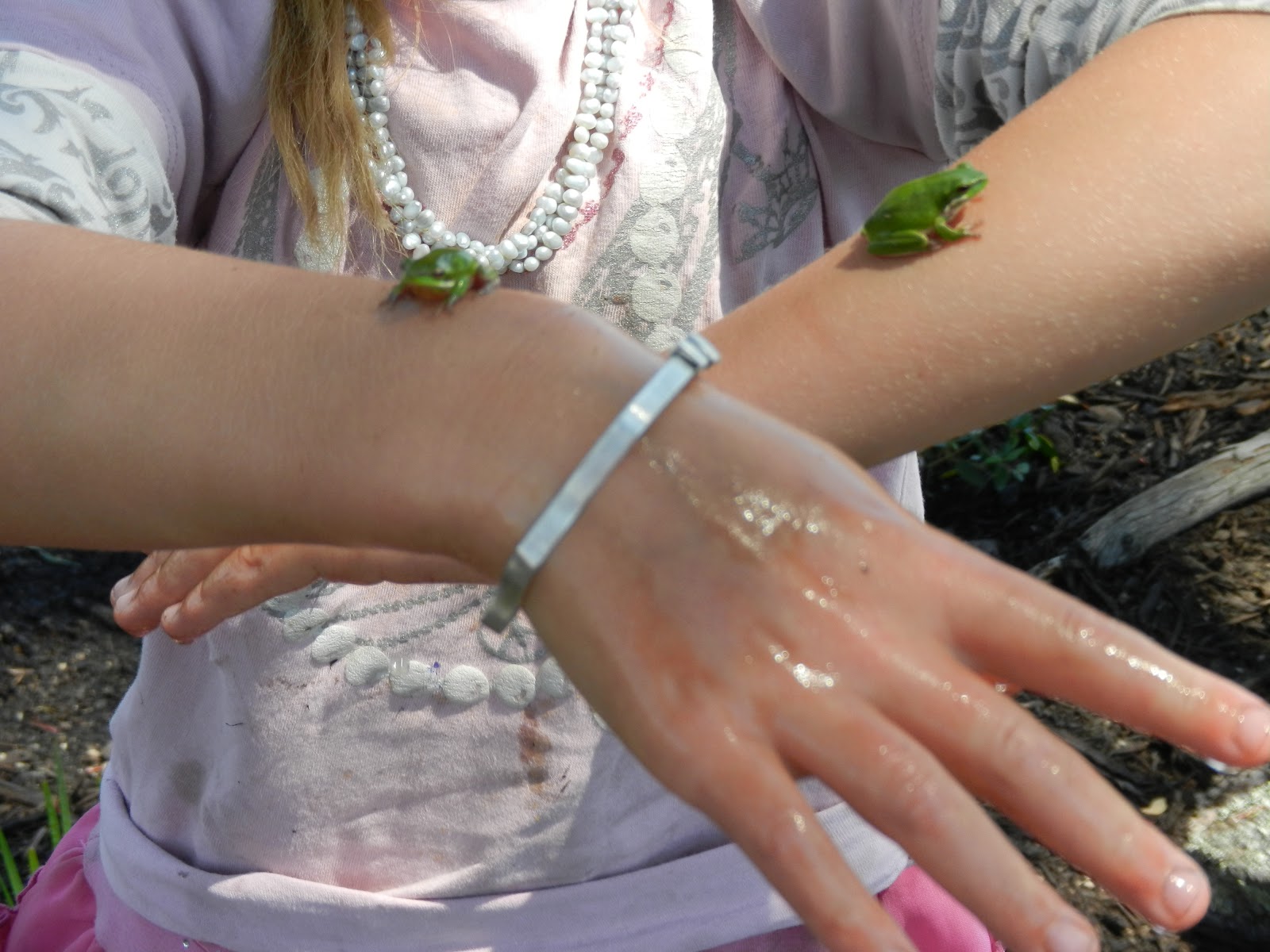
Some little frogs who have moved in near by


Worm nursery and breeding centre: Setting up optimal conditions for worm breeding farms and educating about lovingly caring for worms and soil creating creatures.

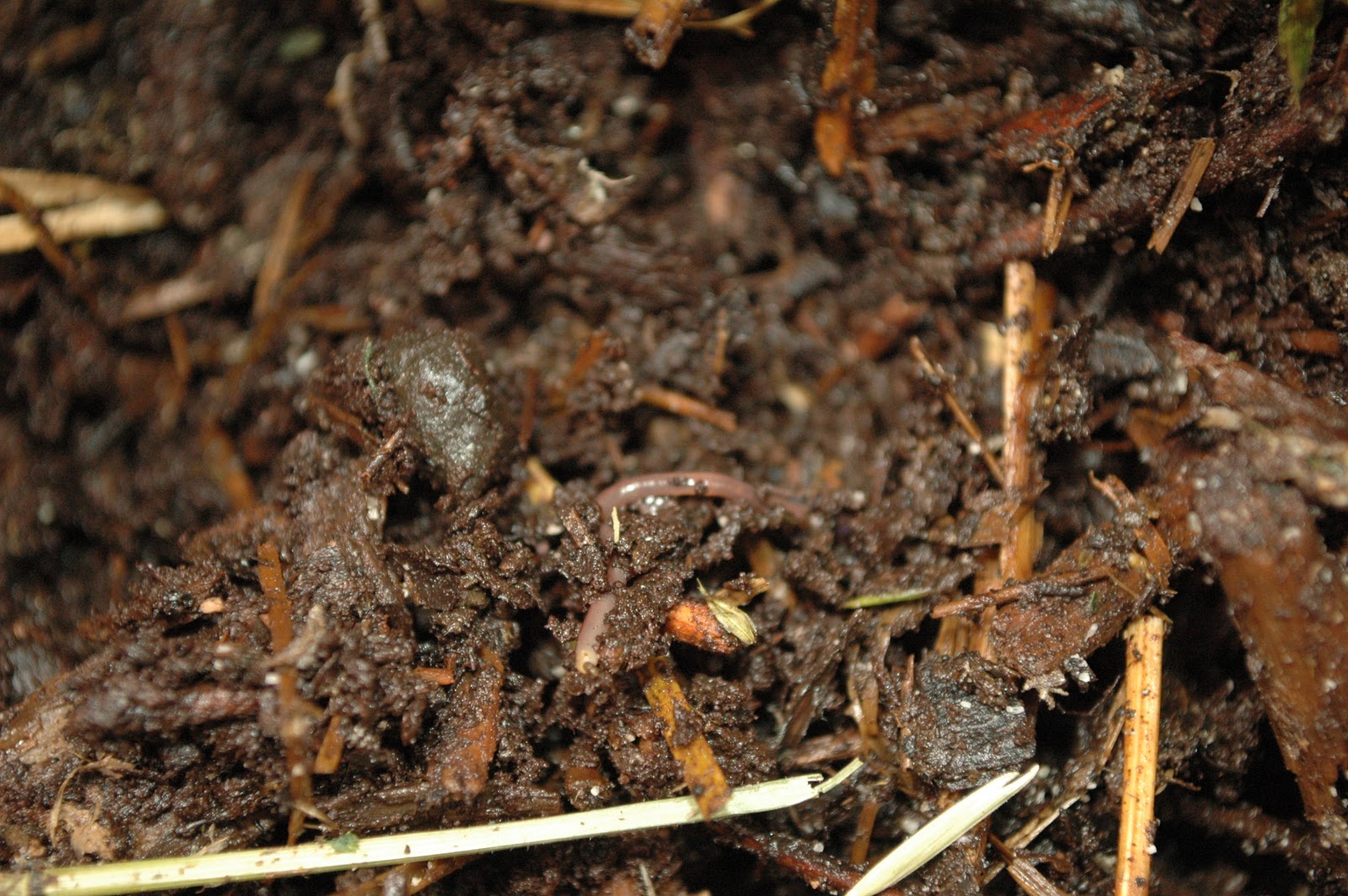
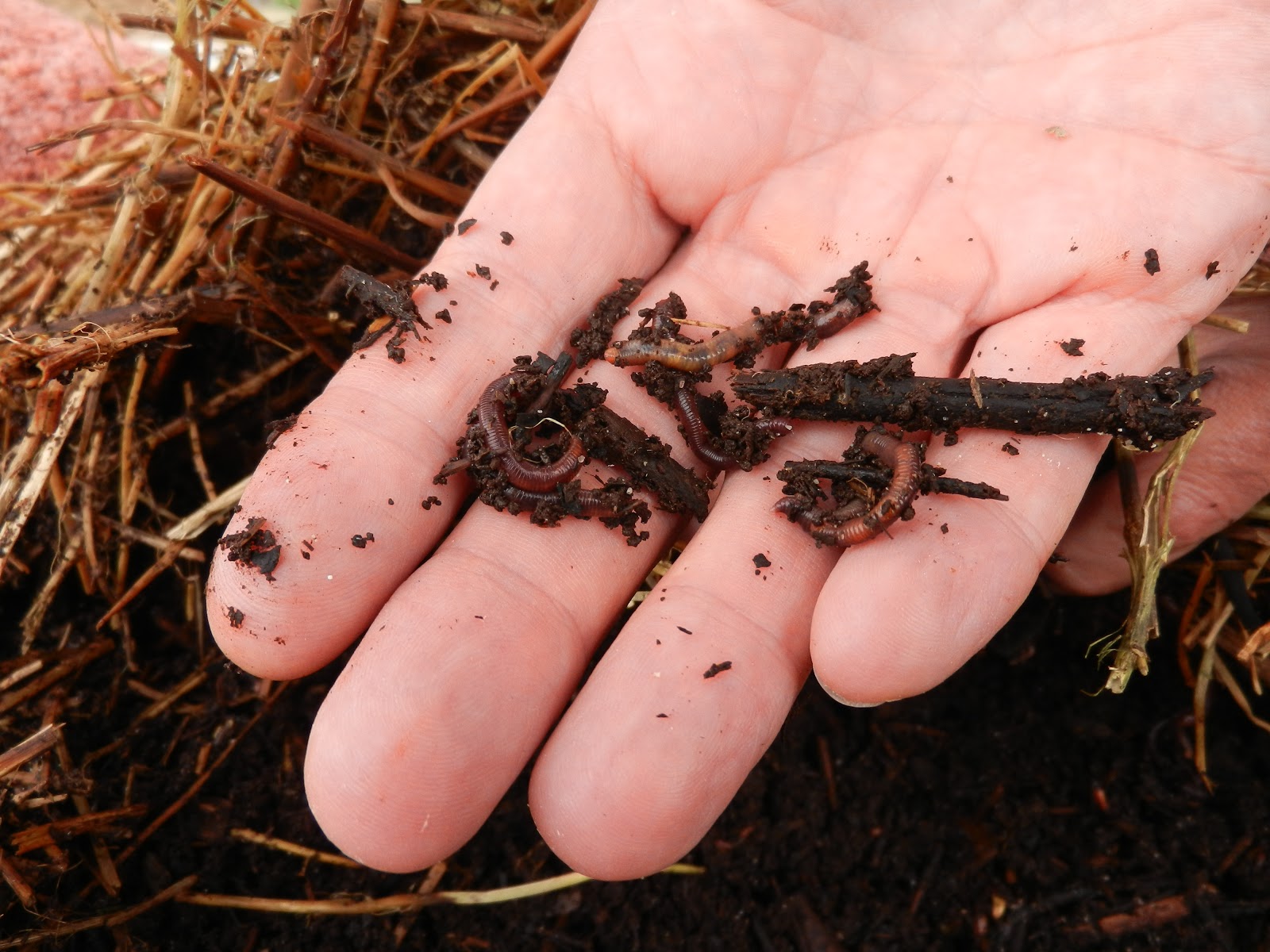
worms – we love worms!
Worm Breeding Centre under construction –
For more information see blog post on the same
subject.
Worm slurry in the field to add to the living systems to
get the worms started.
We had a marvelous time in the woolshed each evening learning new things in presentations from Jesus and Mary and reflecting on events during the day, as well as much fun dancing, singing and being entertained by wonderful musicians and singers. Our thanks to Jesus and local singer/song writer Fabio Tolli for the evening entertainment. Thank you so much for all the time and gifts to all who planned, prepared and attended these events! We hope you learned heaps and enjoyed it as much as we did!
 
We want to thank God’s Way of Love Organization (no longer in existence) for all the wonderful contributions they made, Jesus and Mary, the team leaders and supply teams and everyone who participated and volunteered giving their time, resources and efforts to helping us love the land some more. 
 
We would like to acknowledge the amount of time and effort that went into things such as organizing and pre making animal and bird boxes. We are grateful to everyone who came and made this event such fun and worthwhile this year. We look forward to seeing you again sometime in the near future.
 
Thanks again 
 
From the Lytton-Hitchins Family  
 
For more information or if anything in this takes your interest please feel free to contact us at eloisalh@gmail.com or phone 67787458 or check out www.divinetruth.com for more information on creating loving eco-systems.
 
* We found out how illogical some of us were or how we sacrificed logic for beauty or beauty for logic rather than having a beautiful balance of both. 

Creating Loving Worm Farms: For Optimum Breeding

Thank you to Paige Willoughby for creating this document and many thanks to Paige and Kerry for being the ‘keeper of the worms’, correcting and setting the worm farms up lovingly during ‘Summerfest 2012 Project’. Our many thanks for all your time and efforts!
 
This outline is designed to help you develop an appreciation for the worm and its role in land restoration and repair. It will step you through the process of creating a Loving environment for rapidly breeding worms, with the
view of recycling organic matter and incorporating these intelligent creatures into other Loving Eco-Systems, such as fertility holes, veggie gardens, food forests, native forests or planting beds- just to name a few.

Some Facts About Worms:
  • The worm is one of God’s “soil scientists” AND a fertiliser genius
  • Worms are integral in the restoration of damaged or degraded land, particularly as a result of mining, stock-carrying compaction, clear felling, and plantation agriculture
  • Through a life spent burrowing, eating, excreting, copulating and reproducing, worms fertilise the soil, increase nitrogen availability and microbial activity within the soil
  • The Worms burrowing action help to open the soil structure, therefore increase the amount of aeration and drainage in the soil, where water absorption and infiltration can be 4-10 times greater in paddocks with worms
  • Worms ingest half their body weight per day in organic matter – 1kg worms will consume 500g of food
  • Worms break down organic matter; food scraps, manure/excrement, leaves, lawn clippings, grass/hay, peat moss/coconut shavings, cardboard, paper, wood, ash/coals, even sand and clothes!
  • When the worm excretes the digested organic matter, in the form of casts, they significantly increase the amount of minerals available and accessible for uptake by plants and other intelligent creatures in the eco-system
  • These minerals include Nitrogen, Phosphorous, Potassium, Calcium, Magnesium and Zinc- creating ideal planting and recovery conditions

Creating The Worm Farm

Basic Materials Required:
  • Container  
  • Star droppers, bricks, rocks or crates to elevate container for clear drainage and worm liquid collection 
  • Bucket or Container for collection and storage of Worm Liquid Fertiliser 
  • Shade Cloth 
  • Rocks for drain hole  
  • “Bedding”- Peat Moss or Straw/Hay 
  • Starter worms, approx 1 kg (compost worms optional) 
  • Soaked Manure- sheep, horse, cow, human (vegetarian or vegan diet only) 
  • Moist Newspaper/paper, sheets or shredded
  • Soaked Cardboard 
  • Food Scraps (no citrus, pineapple, large seeds, or onion family
  • Covering- Carpet or cardboard blanket plus Hessian or Shade Cloth
Optional Extras:
  • Lawn Clippings, or finely chopped green waste 
  • Decomposed straw or hay- must be easily digestible, therefore easily broken or pulled apart by hands
  • Once well established, clothing made from organic matter may be digested by worm farm
Construction:
Thank you to the internet for this
image
Thanks to the internet for this
image


1. Choose a container, with adequate drainage: Bath Tub, Old Fridge (de-gassed), Wheelie Bin, 44-gal Drum, Wooden Box, Feed bin, plastic tub, old suit case, old eski/chillibin, car tyres or draw…be creative. As a guide, minimum dimensions to accomodate 1kg of worms: 30-60cm deep x 80cm long x 30cm wide

elevation & gradient – liquid collector
 
2. Elevation and Gradient: Allow enough clearance, and gradient for a bucket or water container to collect the liquid that drains from the farm
– Worm Liquid Fertiliser is fabulous for giving new plants and gardens a nutrient boost
 
Drainage

3. Drainage:                                                                                                                             
 Place rocks over and around drain hole to prevent weight of worm bed contents block in the drain                                                                                                                    
shade cloth lining
Line Container with shade cloth which acts as a filter preventing worm bedding and castings from washing down the drain                                                                             
newspaper
Lay wet newspaper two sheets thick over the shade cloth- also a filter
peat moss
 4. Bedding:                                                                                                                                 
One block of Peat Moss or Coco Peat when hydrated should expand and fill one entire Wheel barrow (approximately 90L)                                                                                  
Lay the moist peat moss over the newspaper to a depth of 4- 5 inches, or a hand span (finger tips to wrist)   

Options: Straw, hay or shredded newspaper may be used if peat moss is unavailable            **Worms may be left, covered, on top of peat moss without additional food for a couple of days to de-stress, acclimatise and develop an appetite          
                                                                                         
worms
worm layer
5. Worm Layer  
If possible spread 1kg of worms on top of peat moss                                 
** If intending to acclimatise worms for few days, cover with wet Cardboard Blanket, Carpet and Shade Cloth (Step 9&10)
 
manure layer (sheep manure in picture)
6. Manure layer                                                                                                                             
If fresh manure is used, mix with chopped up hay or chemical free sawdust                
If dried, soak in water before layering over worms                                                            
Use preferably aged manure
– depending on its source, it may need time to release any emotion stored in it from the associated animal or treatment the animal has received in its life. Allow it to rest in the weather for a month or so, and take note of any plants that seed from it. For Example, Stinging Nettle releases the emotion of rage. Allow the plants to cleanse the manure before feeding it to the worms- would you wanna eat angry food???                                                                                                                        –Human Faeces may be used, only in the circumstances of a vegetarian or vegan diet. Flesh eaters have many bacteria that are not safe or suitable for such a process.
food scraps
 
7. Food Scraps                                                                                                                         
Press the food down firmly, so it starts to decompose in contact with the manure                                               –Remember not to over feed                                                                                             
Store excess food scraps in a sealed container until needed
shredded paper with air pockets
8. Shredded Paper & Shredded Cardboard                                                                            
Soak the newspaper, paper and cardboard- particularly densely coloured pieces, weather them for a time if possible                                                                                  
Tear the paper and cardboard into strips that can be scrunched to create air pockets
cardboard blanket


carpet
9. Carpet or Cardboard Blanket
– Carpet and/or two-three layers of soaked flat cardboard will created a nice blanket. Keep an eye on its moisture during the warmer months
-Creates a dark, moist, cool, safe environment
-Worms are shy creatures, if threatened or stressed or starving, they will not reproduce
shade cloth
10. Shade Cloth or Hessian Cover
-Helps to reflect the heat, if no shade
-Prevents Birds eating the worms
 
Worm Care:

Living Conditions:
  • Happy worms live in a Cool, Dark, Moist environment
  • The worm farms should not be smelly, if anything they will emit a sweet smell similar to the decaying forest floor.
  • Worms are living intelligent creatures; they are okay sharing their home with other living intelligent organisms (as they do in nature). Insects, beetles, flies, maggots, fungus, moulds etc only feed on dead, decaying materials. In fact these organisms’ help to decompose harsher organic matter, as worms don’t have teeth!
  • Maintain air spaces in the bedding, scrunch the moist shredded paper
  • Keep bedding moist, but not wet- worms don’t like swimming
  • pH is important, worms prefer neutral conditions- avoid citrus, pineapple, onion, garlic, leek, spring onions in food scraps
  • If too acidic (sour smell), add a hand full of garden lime (calcium CaCO3), ash from fire place (Carbon), or cardboard THEN reduce food scraps for a couple of days
  • Crushed egg shells or sea shells are also a form of slow release calcium
Food Supply:
  • Only add enough food scraps that the worms can eat in a few days When there is evidence of worms eating the Cardboard Layer, it is an indicator that more food scraps can be given
  • Chop the food into finer pieces so it can be digested faster (optional)
  • Just like we may have tendencies to overindulge, thereby avoiding our emotions, so too can the worms in our care be overfed. Give them enough that they have a little more than they need, but don’t create “Food Coma” as they will not reproduce optimally in this state. Also look at why you feel you need to “Love” the worms with food
  • Worms tend to reside within the top 2-3 inches of the worm bed. Therefore ensure the depth of the food supply does not become too great. Worms will eat to the surface, in preference to deeper. Too much food supply may result in undigested food remaining in the middle layers of the worm bed- contributing to possible souring of the environment
Reproduction: 
Thanks to Wikipedia for this image
  • Worms are hermaphrodites, meaning each worm has both male and female sex organs, therefore are neither male nor female, but both. Another awesome example of God’s true nature in our environment.
  • When a worm is approximately 4-6 weeks old, a white band forms around their head called the Clitellum, which contains sex organs, sperm and ova (eggs)
  • Worms require a mate to reproduce, even though they have both sets of sex organs
  • Worms join head to head, where the sperm can pass from each worm to the other and is stored in sacs
  • Cocoon is then formed on each of the worms Clitellum. As the worm backs out of the developing cocoon, eggs and sperm are deposited within the cocoon, where fertilisation takes place.
  • The tiny yellow, lemon-shaped cocoons require the right conditions to hatch. If it is too dry, they lay dormant for years in the soil and hatch only when conditions improve- very cool!!
Thanks to kingstonwormfarm.com
for this image
  • Baby Worms are a whitish colour, about half an inch in length. They are independent of their parents and begin eating as soon as they hatch.
  • Fed optimally, within 21 days, each adult worm will lay an egg cocoon containing 17 worms, predominately within the superficial paper layer of the worm farm
Harvesting:

  • When it comes time to harvest castings, about a week before its needed, layer food only on one half of the Worm Bed. The worms will migrate to that side, leaving a worm free section of castings that can be removed and used in the garden as fertiliser.
* This is an on going project begun at ‘Summerfest’ Nov/Dev 2012

Reptile Heaven Project – Begun ‘Summerfest 2012’

Susan and Michael had a desire to create a reptile habitat in part of their garden. It was rather interesting because Susan who has had a terror of snakes for most of her life set her intention and desire for a reptile haven and pretty much a day later they literally began moving into the area. A lizard family moved in, then a snake rocked up onto her verandah and various other amphibians were found in the near vicinity.
From our personal experiences we feel that as soon as an intention is made that things feel that and begin moving in. I often feel they are drawn to the property and then wonder ‘where are out homes? our food supplies? We felt you wanted us to come here!’ and yet we are not quite ready for them, smile. The power of intention we are finding is amazing and so very powerful!!!
Susan and Michael’s garden is basically on rock with little topsoil and so not much grows. There are a number of purposes for Reptile Heaven. Firstly to create habitat and homes for some of God’s beautiful creatures (not everyone loves reptiles that much and we feel that if we love everything equally then surprising things can happen. We also realised that there is not that much habitat for insects or reptiles on the property so we have begun creating it.)
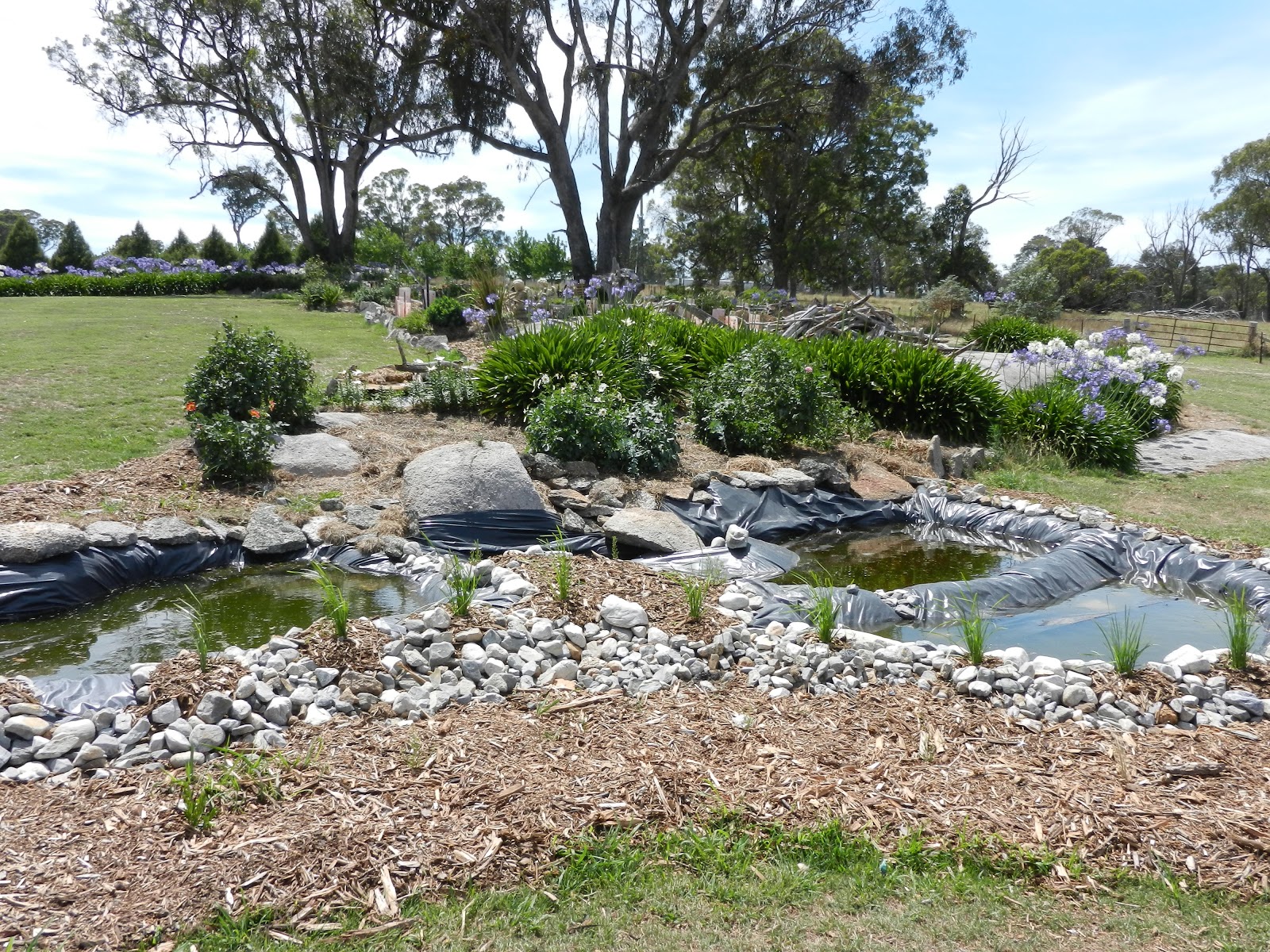
The area was designed with above ground living systems (as you can’t dig into rock so this was the obvious choice) two ponds, rockeries, pipes, stick/rock piles and piles of matter including wood chip, compost, crates, stones etc. It also has incorporated waterless veggie gardens made for the animals who move in and has reptile mansions, palaces, holes, crevices and various living quarters. As many diverse conditions were created for reptiles as possible, both as an experiment to see what they like and also to create homes for them in all weathers and environmental conditions. The focus was the basic needs, food, shelter, water…
Native legumes, grasses – tussock, lomandra, small wattles have also been planted in the area. These will become ‘self’ mulching. Legume shrubs and bushes were chosen that can be pruned with the intention being that branches are cut from them and laid on the ground to create more top soil. As the soil builds up then larger legume varieties that can be pruned will be planted until large trees can be planted that self mulch the area and create soil and living matter that ends up being self generating for the area.
More grasses and legumes will be planted to link up a neighbouring paddock to create a corridor for reptiles and animals so they do not have to venture over exposed land.
Before anything happened at Reptile Heaven Site

Before anything happened at Reptile Heaven Site

Before area where lower pond was put - plus materials for use in the garden

Before area where lower pond was put – plus materials for use in the garden

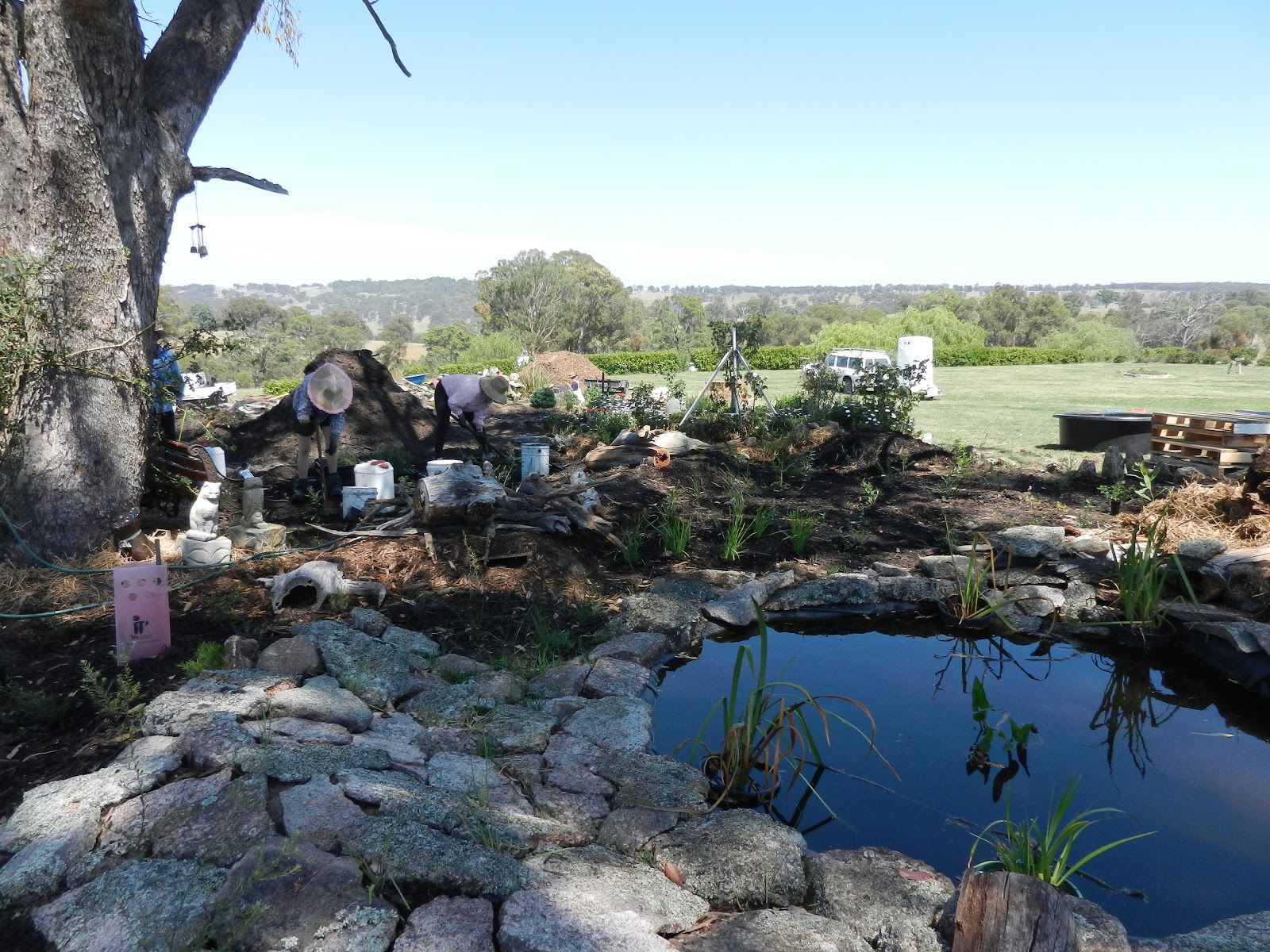
After volunteers had put in ponds, living systems, reptile homes etc

After volunteers had put in ponds, living systems, reptile homes etc

Stage one Near finished

Stage one Near finished

Before view from the top pond with various materials to be used in the gardenBefore view from the top pond with various materials to be used in the garden

in progress, top pond complete, planting and systems being created

in progress, top pond complete, planting and systems being created

Stage one Finished view from top pond

Stage one Finished view from top pond

a small amphibian found near by

a small amphibian found near by

a small amphibian found nearby

a small amphibian found nearby

Reptile homes. MAny of these are experiments to create varied conditions so reptiles have somewhere to go under all weather conditions

Reptile homes. MAny of these are experiments to create varied conditions so reptiles have somewhere to go under all weather conditions

Wood, hay piles containing lizard, snake, reptile homes

Wood, hay piles containing lizard, snake, reptile homes

Regeneration Legume -native

Regeneration Legume -native

Native Legume - Regeneration Plant

Native Legume – Regeneration Plant

Native Legume

Native Legume

Living Fertility System Mini Experiments

This is an ongoing project begun in 2012. Below are some experiments we are doing with various things we had lying around we want to see what happens with different materials and how they decompose and what creatures are attracted to what. We are looking to see what ‘moves’ in and what lives here. We suspect that if creatures have a ‘home’ they move in. Also if you haven’t already noticed that usually under wood, stones, rock etc it is generally moister with more fertile soil. We have even noticed plants growing out from under rocks or from the middle of rocks.

Wind Fall branches cut up and piled up
Small living system – sticks, leaves, wood chip mulch
Tin with logs on it
pile of sticks from nearby trees
Hay
old pieces of concrete
below ground Living system – we dug a hole, filled it up with matter and
covered it – see blog post for more detailed information on this particular
project.
Above ground Living System – matter stacked up high, focus on
decomposition rather than composting to encourage living organisms

See blog post of Living Systems for more information. Over time as we document what happens we will add it to this page.

Breeding Aviary Project

Some of our smaller friends
This Project is one of Michael’s passions* and began pre ‘Octoberfest’ 2011 and has been a continuing project since. It will be an on-going project that has and will be created in stages.
Stage one consisted of converting a calf house into the aviary. This consisted of knocking out stalls, putting up wire mesh, creating perspex windows, high step up doorways and sealing up any holes that possible rodents or reptiles could enter by. Putting down a sand floor, heating for the winter months, hanging nesting ‘boxes’ and creating water baths/drinking bowls and feeders.

When This was complete some feathered friends moved in. At present there are Star Finches, a Blue Faced Parrot (who will be getting a mate in the next couple of months), Long Tailed Finches, Masked Finches and Zebra Finches. There are expected new arrivals in the coming months.

Inside of calf house during conversion to aviary.
Almost complete inside view.
Outside view holding up window that will lead to first flight zone.
Inside view – nesting bundles, food and water dishes,
heater and sand floor
A wee nest

Stage two consisted of the ‘first flight zone’. The ‘first flight zone’ has had tin dug into trenches to prevent anything from digging under it, and is fitted out with wire mesh to make an enclosure. This eventually will lead out to a greater or free flight zone with the wire mesh cut so the birds can come and go into a greater flight zone and then into the bush land beyond where they can ‘learn’ survival skills from the native non captive finch populations that inhabit the area. At present there is a small family of Red Brow Finches that come and go from bush land behind the flight zones.

first flight zone under construction
Earthworks for the ‘first flight zone’ under construction.
Digging the tin into trenches
Adding wire mesh to ‘first flight zone’ and beginnings of planting out
beginnings of planting out and construction of wire mesh zone.
The plants taking to their new environment and the beginnings of small
bird food abundance.
Same as above, different angle.

The intention is to eventually have a release programme for native and endangered finches (and small birds in particular) that educates the birds to care for themselves in the ‘wild’. We are in the process of planting a lot of spiky, dense native flora to create nesting and habitat for small birds.

We would also like to design and implement in future portable aviaries that can be taken to regeneration sites near food and water, with birds in them where they can create nests and ‘living’ quarters and be safe from predators while they get established. Once ‘educated’ by ‘wild’ finches (- to avoid attack and not be totally dependant and domesticated) the flocks established and flourishing we will remove the portable aviary and begin the process again.
In the mean time we are planting out seeding grasses that small bird and finches like and that attract insects, shrubs, bushes, trees for nesting and food near to permanent water sources to create habitat and as ideal conditions as possible to encourage breeding and support large populations of bird life.
For more information or details feel free to contact us.

* Though we all gain much joy and excitement from it.
Some of the small birds that are in the Breeding Aviary at this time

‘Octoberfest’ – Namoi CMA Project 2011

panorama of part of ‘Octoberfest’ site


panorama of part of ‘Octoberfest’ site


panorama of part of ‘Octoberfest’ site


‘Octoberfest’ was a project that Teams from the The God’s Way of Love Organisation (now disbanded), gave their time and energy too in order to prepare for and plant 10,000* trees.

 
We (the Lytton-Hitchins’ family) had a grant from the Namoi CMA to create a wildlife corridor. 
 
It was a fun filled week of activities consisting mainly of tree planting, building a breeding aviary*, working with draught horses, mediumship, karaoke, singing, dancing and sing-a-longs.
Our objective was to create a wildlife corridor, linking a highway bushland travelling stock route (TSR) with a timbered ridge line some 3km from the TSR. The nature strip follows along two creek lines which already had ample water and some established trees. 
 
Activities of the week:
  • Preparing and planting 10,000 trees in total (we planted 5,000 over Octoberfest)
  • Built swales to improve hydrology (on a large scale with a crawler – already in place)
  • planted bushes, shrubs and trees for bird habitat, insects, bugs and creatures.
  • mulched to help feed and retain water for all the new plants
  • Our intention was to start the rehabilitation process in one planting.
  • Enjoy each others company and have fun
We wanted to give to the land rather than continue taking from it constantly. So we encouraged anyone planting to plant with love or to not plant at all. 
 
‘Octoberfest’ was also an experiment about how our soul, Love, emotions, expectations, demands affect the environment around us (in this case plants). 
 
The objective was to give love to the land in areas that it felt ‘tired’ and had been overly and excessively used for many years. 
Looking up to the swale site (Oct 2011)
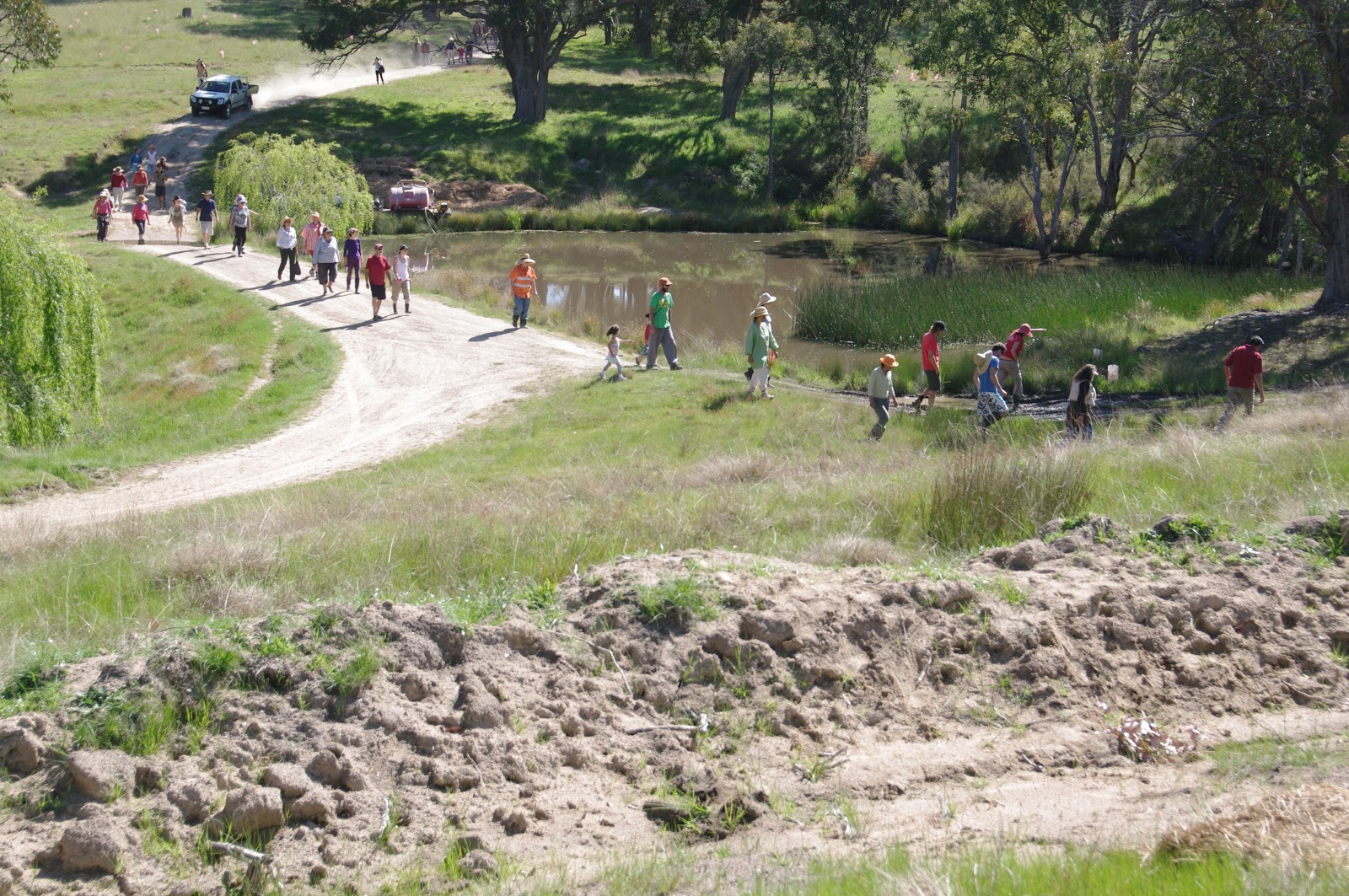
Walking to ‘work’ (Oct 2011)
Swales ready for planting (Oct. 2011)
Working on Swale projects (Oct 2011)
Swale Site (Oct 2011)
Pre-made swales ready for planting out (Oct 2011).
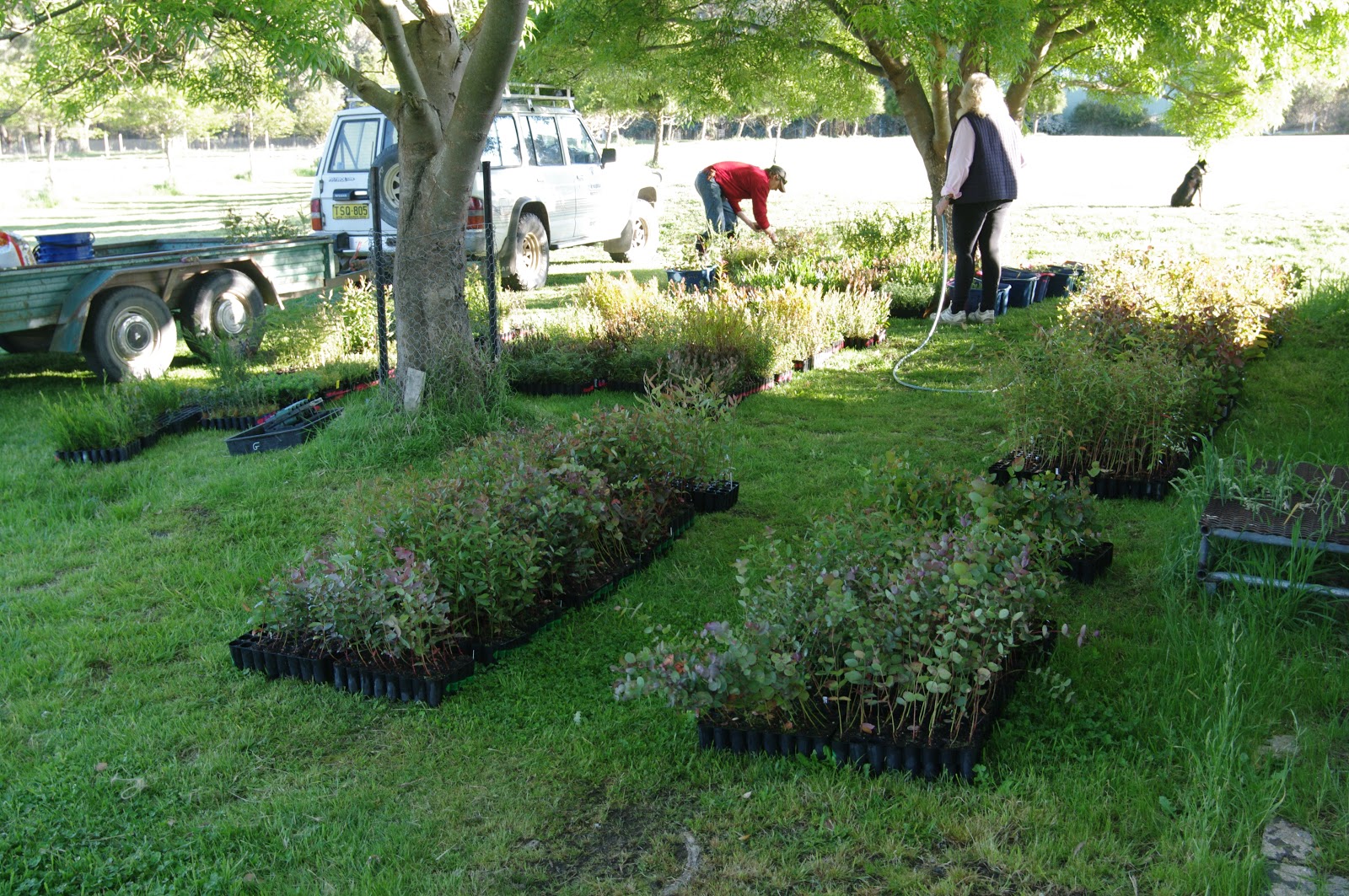
Some of the trees to be planted out during the week (Oct 2011).

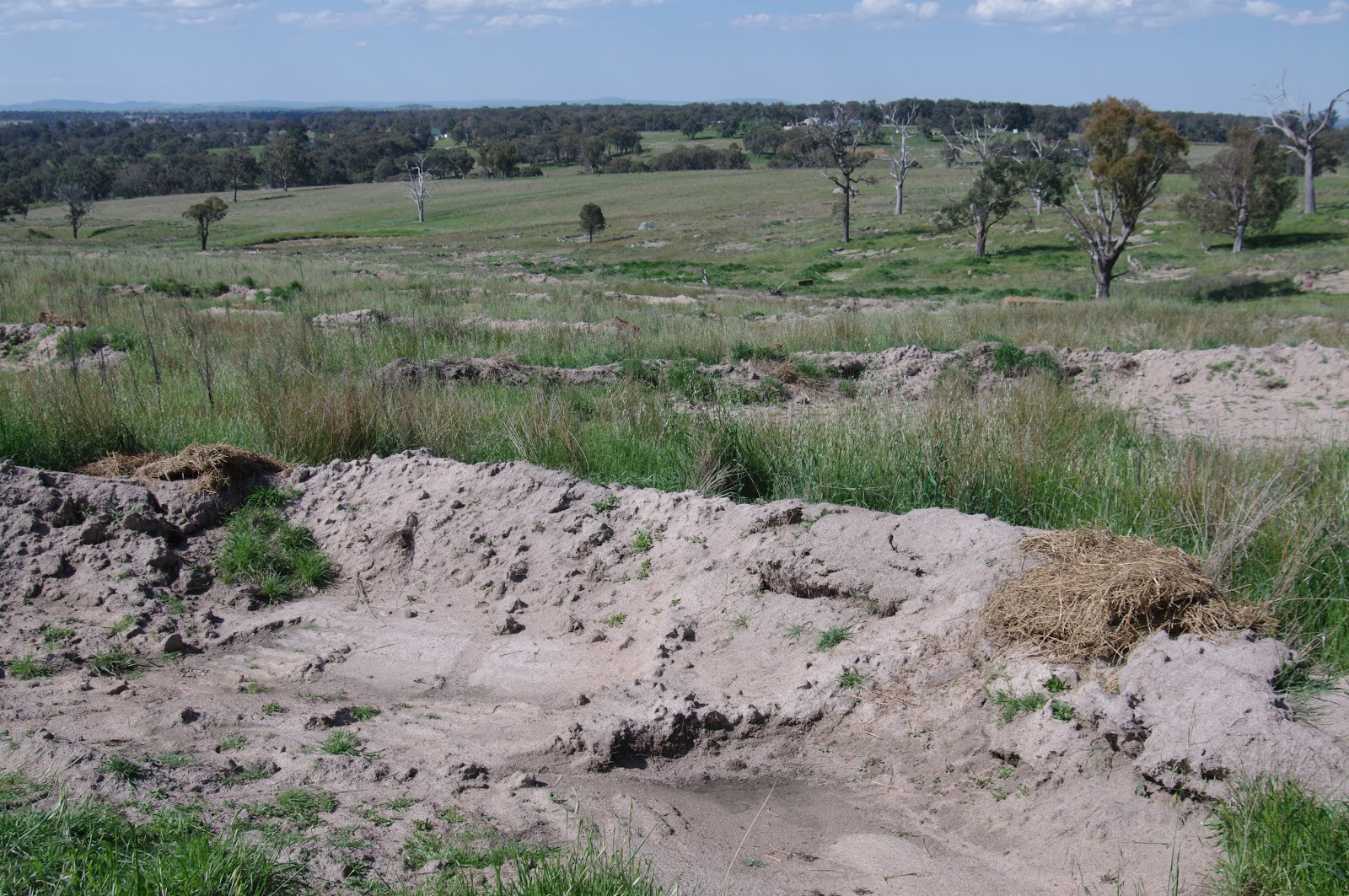
Another part of the ‘Octoberfest’ 2011 Project was a very ‘tired’ paddock that lacks fertility and has been heavily grazed for many years. Hundreds of years ago this paddock was full of huge trees, a stump and some large holes (scars) are all that is left of it now. We swaled and direct seeded the area with wattle seeds (to regenerate the land and soil).

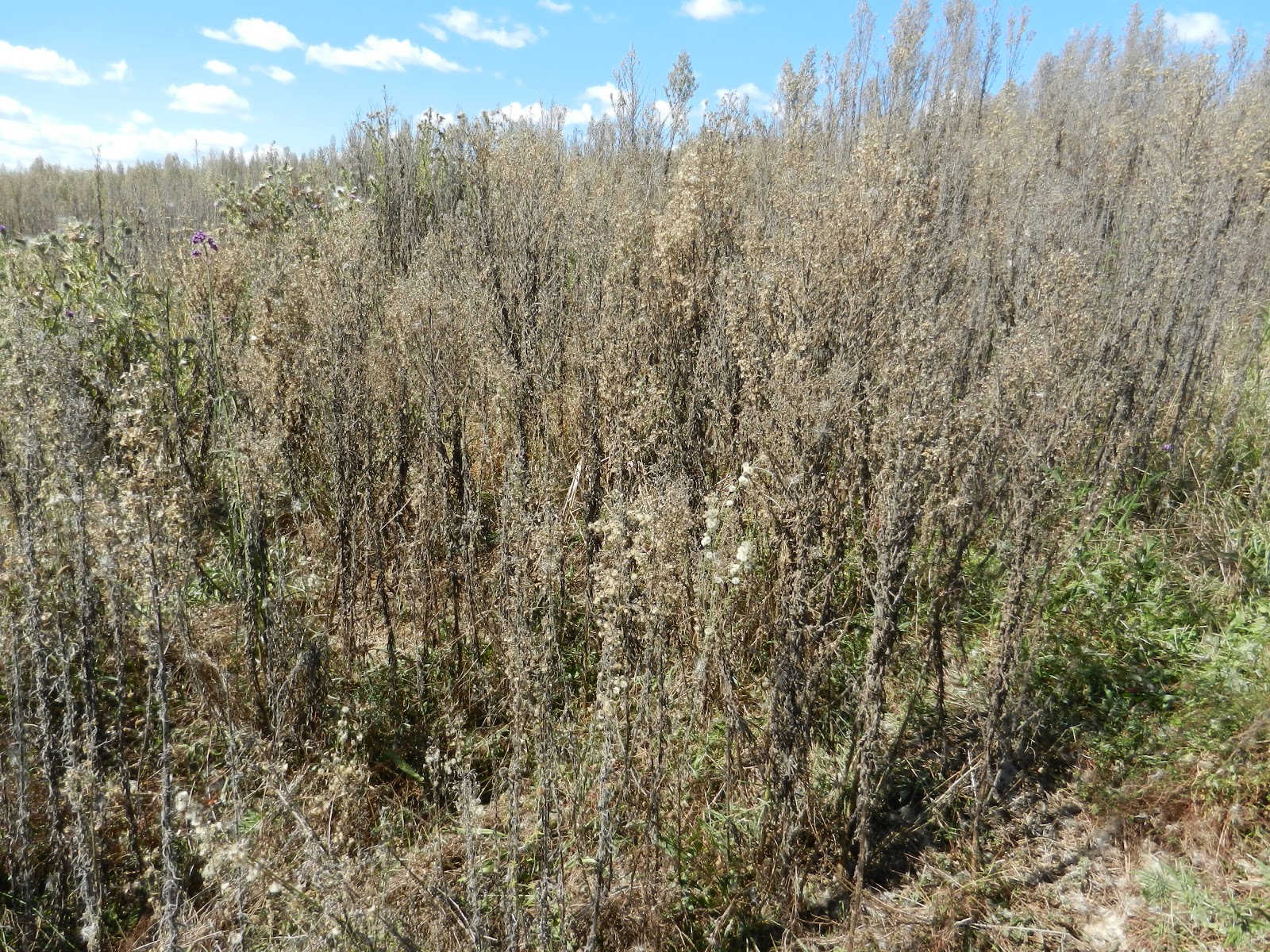
Some amazing things have happened over a year. The land has begun healing itself with a whole variety of different plants (weeds). Fleabone came up rapidly all over the place in abundance, amongst this was also thistle, dandelions and some very delicate flowers and other plants.

Swales just dug
Swales just dug
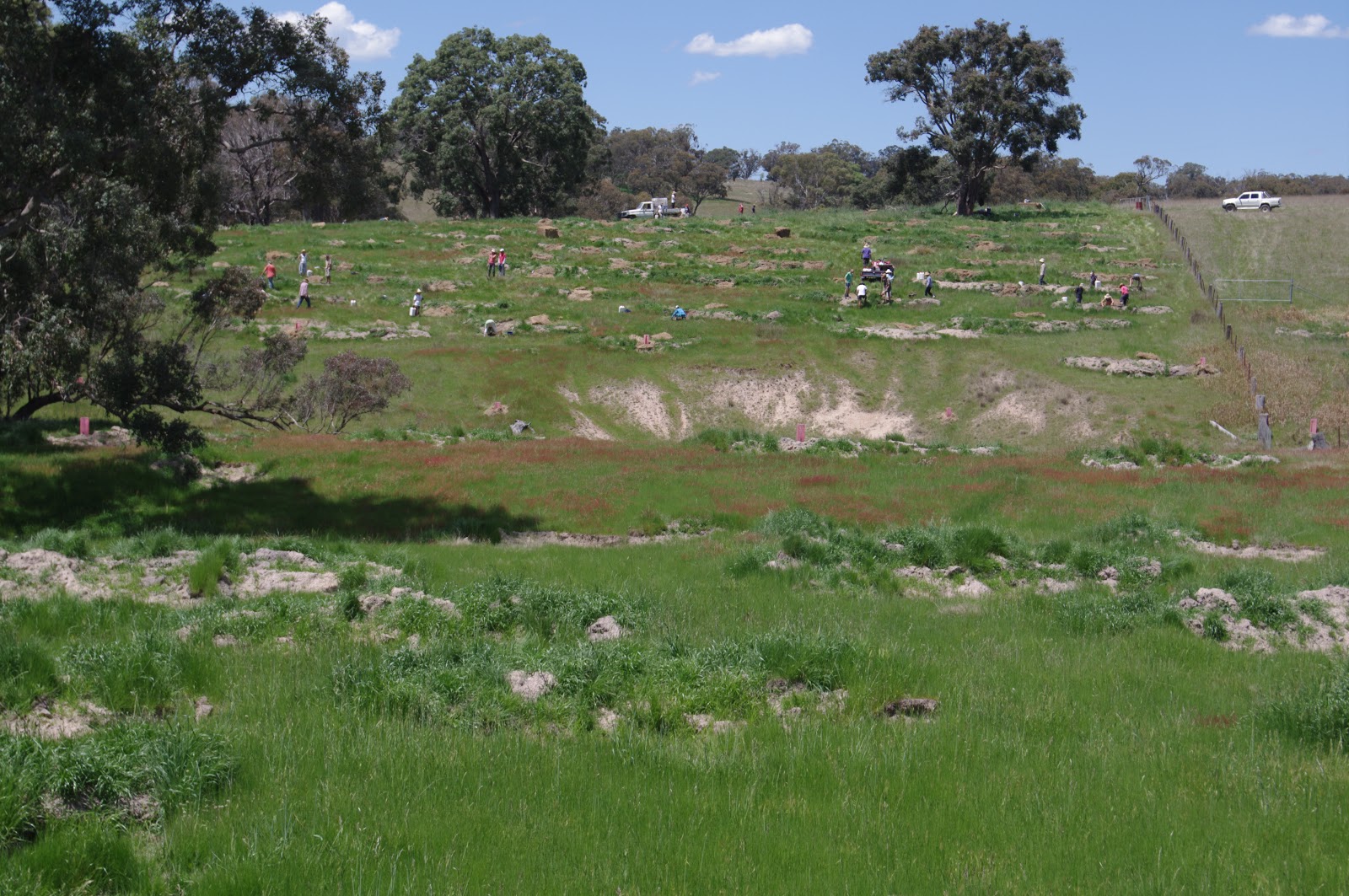
volunteers seeding the area
a year on from a distance you can see the colour of the fleabone
healing the area
fleabone beginning to do it’s ‘job’ a few months after seeding
fleabone at the end of it’s cycle
A Year on we have noticed that many trees have died in certain swaled areas. We feel that they received a large amount of emotional projections in the form of expectation and demand upon them during ‘Octoberfest’ 2011 which caused them to die.
This can be seen clearly from swale to swale in that every plant and tree had the same planting conditions, the same amount of minerals, water, mulch etc, yet some trees have flourished and grown 6ft in a year and others are totally dead. The only difference in the planting on each swale was the people, so by process of elimination we feel that it has something to do with us the people.
We also noticed that the loss rate of trees from ‘Octoberfest’ was far higher than some of our ‘commercial’ plantings of the past and we feel that the ‘commercial’ plantings had much less investment from those that did the planting. Those who do ‘commercial’ planting are paid and contracted to plant, they don’t really mind what happens to the plants after they have done their ‘job’ of planting the trees.
We found this observation interesting and have been experimenting with it on smaller scales and other projects. An example is Peter’s asparagus planting and cucumber experiment.
Swales a year on – grass and ‘weed’ cover over them now
Swales a six months on
swales a year on in a very dry season
Swaled area a year on – we are beginning to add
dead matter to the swales to create living fertility systems
in the swales themselves. We feel this should have been
done at the time of the project last year.
Some living system ‘food’ Thanks Bunnings!
Some more food, Thanks Bunnings and Munzies!
A swale a year on with Living Fertility systems added
A flourishing tree six months after planting
some trees doing well in the swales
Swales dug and filled with water soon after
A year on swales grassed up and can hardly be seen
in the paddock they are now supporting.

*See blog post on ‘Breeding Aviary Project’